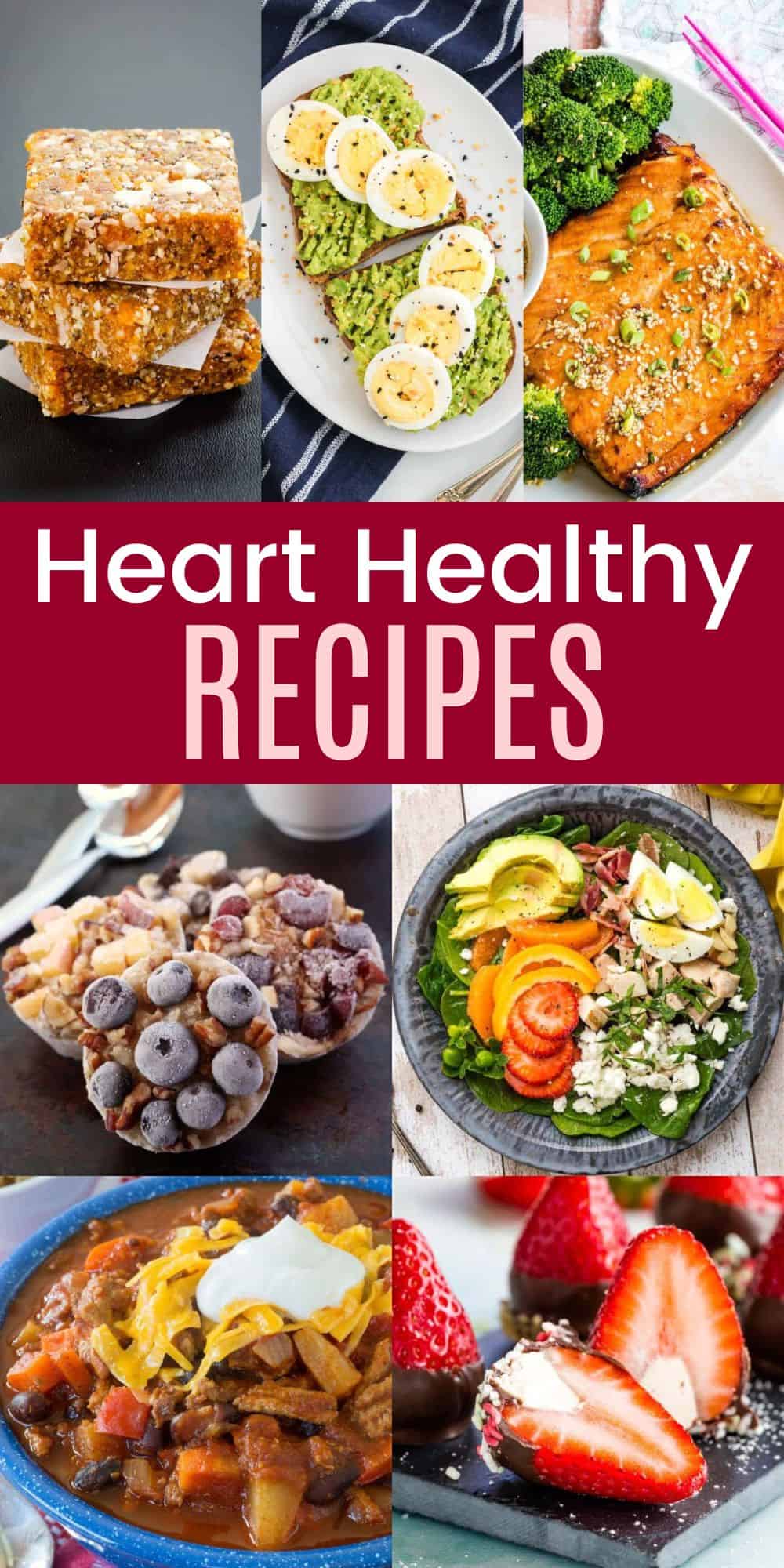
Heart-Healthy Cooking Tips
Maintaining a heart-healthy diet is crucial for overall well-being and the prevention of cardiovascular diseases. One of the most effective ways to take care of your heart is by cooking your own meals using wholesome ingredients. By making a few simple changes in your cooking habits, you can create delicious dishes that are not only satisfying but also good for your heart. Here are some heart-healthy cooking tips to help you get started:
1. Choose lean proteins: Opt for lean cuts of meat like skinless chicken or turkey breast, fish rich in omega-3 fatty acids such as salmon or trout, and plant-based proteins like beans, lentils, tofu, and tempeh. These options are lower in saturated fats and cholesterol compared to red meats.
2. Include plenty of fruits and vegetables: Make sure at least half of your plate consists of colorful fruits and vegetables. They are packed with essential nutrients, fiber, antioxidants, and phytochemicals that promote heart health. Experiment with different varieties to keep meals interesting and explore new flavors.
3. Cook with healthy oils: Replace unhealthy fats like butter or lard with healthier alternatives such as olive oil or avocado oil when sautéing vegetables or preparing dressings. These oils contain monounsaturated fats that can help reduce bad cholesterol levels if used in moderation.
4. Limit sodium intake: Excessive salt consumption can lead to high blood pressure which is detrimental to heart health. Instead of relying on salt alone for flavoring, experiment with herbs, spices, citrus juices, vinegar, garlic powder, onion powder, or low-sodium seasoning blends to enhance the taste of your dishes.
5. Reduce added sugars: Excess sugar in the diet can contribute to weight gain and increase the risk of developing cardiovascular diseases. Minimize the use of refined sugars by opting for natural sweeteners like honey or maple syrup sparingly.
6. Control portion sizes: Overeating can put stress on your heart and lead to weight gain. Be mindful of portion sizes and use smaller plates to help control the amount of food you consume.
7. Limit processed foods: Processed foods often contain high levels of unhealthy fats, sodium, and added sugars. Opt for whole, unprocessed ingredients whenever possible to ensure you are getting the most nutritional value from your meals.
8. Use cooking methods that promote heart health: Steaming, grilling, baking or broiling are healthier alternatives compared to frying or deep-frying which can increase the calorie content and unhealthy fat intake in your meals.
Remember that creating heart-healthy meals doesn’t mean sacrificing flavor or enjoyment. Experiment with different recipes and ingredients to find combinations that work best for you. By making these small changes in your cooking habits, you can take a proactive approach towards protecting your heart while still enjoying delicious homemade meals.

Leave a Reply