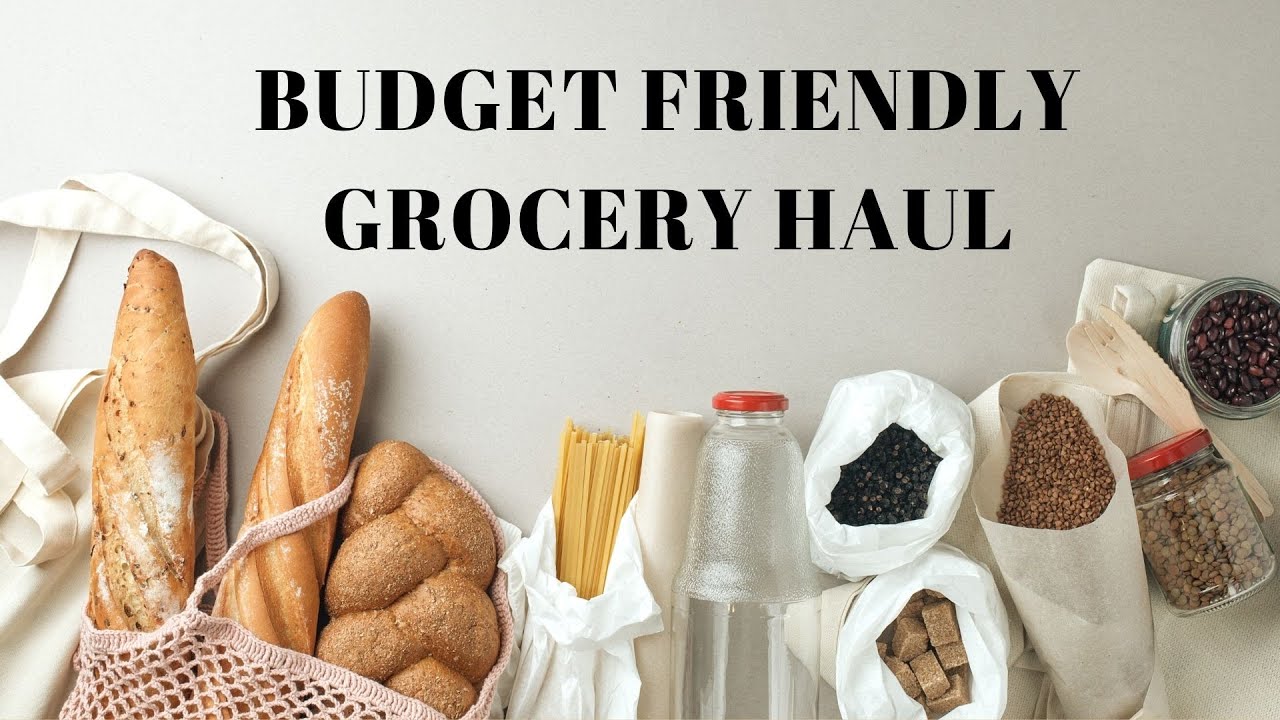
Planning ahead to avoid impulse purchases and overspending on raw food items
When it comes to maintaining a healthy diet, planning ahead is key. This not only applies to meal prepping and creating a well-balanced menu but also extends to grocery shopping. Impulse purchases and overspending on raw food items can derail your budget and healthy eating goals. By following a few simple strategies, you can save money and stay on track with your healthy eating habits.
Firstly, take the time to create a detailed shopping list before heading to the store. Include all the ingredients you need for your planned meals as well as any staple items that are running low in your pantry or fridge. Having a clear plan will help you resist temptation and prevent unnecessary purchases.
Next, consider doing some research before going grocery shopping. Look for sales or discounts on specific raw food items that are part of your meal plan. Many stores have weekly ads available online or in print where you can find these deals. By taking advantage of sales, you can stock up on essentials while saving money.
Another helpful tip is to shop with cash instead of relying solely on credit or debit cards. Studies have shown that people tend to spend more when using plastic compared to cash because it feels less real. Set yourself a strict budget based on what you actually need and withdraw that amount in cash before hitting the grocery store.
Furthermore, consider buying certain raw food items in bulk if possible. Staples like rice, beans, nuts, and seeds often come at discounted prices when purchased in larger quantities. Not only does this save money in the long run but it also reduces packaging waste.
Additionally, try not to shop when hungry as this can lead to impulsive decisions and unnecessary purchases of unhealthy snacks or indulgent treats that may not align with your health goals.
Lastly, always remember the importance of checking expiration dates before purchasing perishable goods such as fruits, vegetables, dairy products, and meats. Wasting food not only impacts your budget but also contributes to unnecessary waste.
By implementing these strategies and being mindful of your purchases, you can avoid impulse buying and overspending on raw food items. Planning ahead will not only save you money but also contribute to a healthier lifestyle.

Leave a Reply