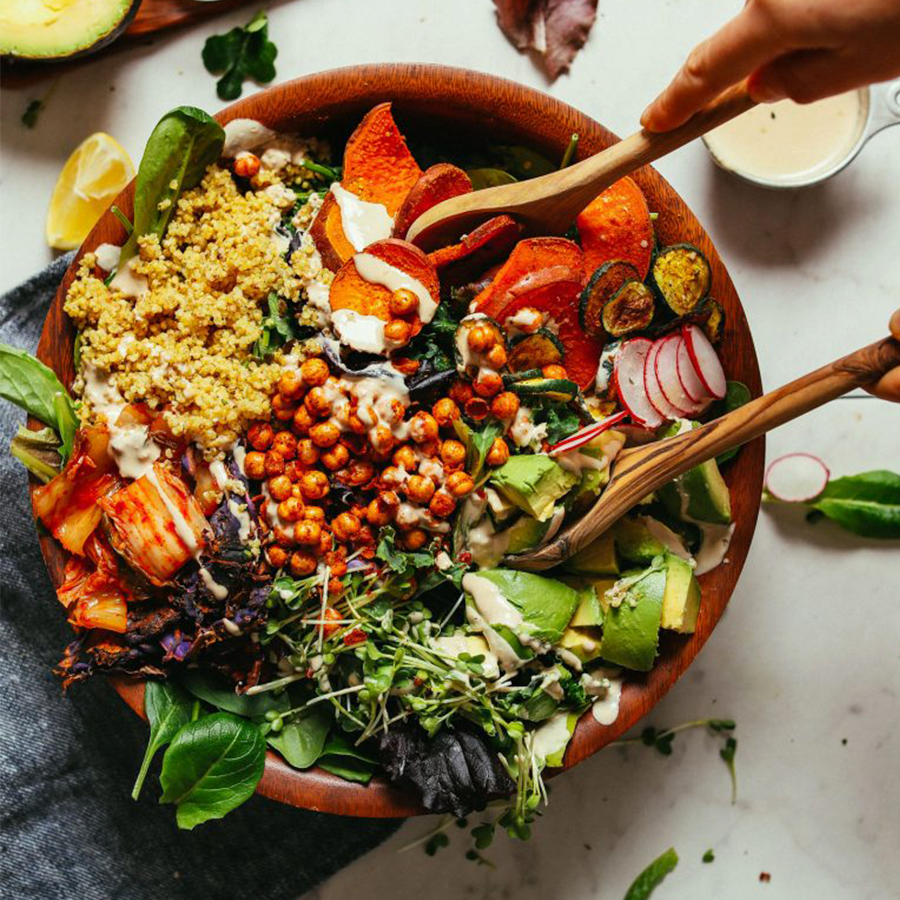
Plant-Based Cooking: A Q&A Guide to Healthy and Delicious Meals
Introduction:
With the growing interest in healthy eating, plant-based cooking has gained popularity as a sustainable and nutritious way of nourishing our bodies. Whether you are a seasoned vegan or simply looking to incorporate more plant-based meals into your diet, this Q&A guide will provide you with valuable insights and practical tips for preparing delicious and wholesome plant-based dishes.
Q1: What does it mean to follow a plant-based diet?
A: Following a plant-based diet means consuming primarily whole foods derived from plants such as fruits, vegetables, legumes, whole grains, nuts, and seeds. While some individuals may choose to eliminate all animal products (vegans), others may include small amounts of animal-derived ingredients like dairy or eggs (vegetarians). The focus is on maximizing the intake of nutrient-dense plants while minimizing processed foods.
Q2: What are the health benefits of a plant-based diet?
A: Research suggests that following a predominantly plant-based diet can have numerous health benefits. Plant foods are typically low in saturated fat and high in fiber, vitamins, minerals, antioxidants, and phytochemicals. This dietary pattern has been associated with reduced risk of chronic diseases such as heart disease, type 2 diabetes, obesity, certain cancers, and even improved overall longevity.
Q3: How can I ensure I’m getting enough protein on a plant-based diet?
A: Contrary to popular belief, it is possible to meet your protein needs through plants alone. Legumes like beans (e.g., chickpeas), lentils (e.g., red lentils), soy products (e.g., tofu), tempeh (fermented soybean cake), seitan (wheat gluten), quinoa (a pseudo-grain) are excellent sources of protein. Incorporating these into your meals regularly will help maintain adequate protein intake.
Q4: Are there any essential nutrients that I should pay special attention to on a plant-based diet?
A: While a well-planned plant-based diet can provide most essential nutrients, there are a few that require extra attention. These include vitamin B12, iron, calcium, omega-3 fatty acids (specifically DHA and EPA), and iodine. It is advisable to consult with a registered dietitian or healthcare professional to ensure you meet your specific nutrient needs through food choices or supplementation if necessary.
Q5: How can I add flavor to plant-based dishes without relying on animal products?
A: Plant-based cooking offers an abundance of flavors! Experiment with herbs and spices like garlic, ginger, turmeric, cumin, paprika, thyme, rosemary – the options are endless. Incorporating ingredients such as nutritional yeast for its cheesy flavor or miso paste for umami taste can enhance the overall taste of your dishes. Additionally, citrus juices like lemon or lime juice can bring brightness and acidity to your meals.
Q6: What are some tips for meal planning when following a plant-based diet?
A: Meal planning is key when adopting any new dietary pattern. Start by researching recipes or investing in plant-based cookbooks for inspiration. Plan your meals ahead for the week including breakfasts, lunches, dinners, snacks – this will help you stay organized and avoid last-minute unhealthy food choices. Make sure each meal includes a variety of vegetables along with whole grains or legumes for balance.
Q7: Can you suggest some simple yet delicious plant-based recipe ideas?
A: Of course! Here are three easy-to-make plant-based recipes:
1. Chickpea Curry:
– Sauté onion and garlic in olive oil until fragrant.
– Add curry powder and diced tomatoes; cook until tomatoes break down.
– Stir in cooked chickpeas (canned ones work too) and simmer until flavors meld together.
– Serve over rice or with naan bread for a satisfying meal.
2. Quinoa Salad:
– Cook quinoa according to package instructions and let it cool.
– Mix cooked quinoa with diced cucumber, cherry tomatoes, red onion, fresh herbs like parsley or cilantro.
– Dress the salad with olive oil, lemon juice, salt, and pepper for a refreshing side dish.
3. Sweet Potato Tacos:
– Roast sliced sweet potatoes until tender and slightly caramelized.
– Warm corn tortillas and layer them with mashed avocado, roasted sweet potatoes, black beans (canned), salsa fresca, and a squeeze of lime juice.
Q8: How can I make plant-based eating more budget-friendly?
A: Plant-based eating doesn’t have to break the bank. Consider these tips:
– Buy seasonal fruits and vegetables as they tend to be less expensive.
– Purchase pantry staples like dried beans or lentils in bulk rather than canned versions.
– Plan your meals around sales and discounts at your local grocery stores.
– Utilize frozen fruits and vegetables when fresh options are cost-prohibitive.
– Grow your own herbs or produce if you have the means to do so.
Conclusion:
Embracing a plant-based diet can offer numerous health benefits while promoting sustainability. By incorporating more whole foods derived from plants into our daily meals, we nourish our bodies while reducing our impact on the environment. Experimenting with flavors and trying new recipes will keep plant-based cooking exciting and enjoyable. Remember that balance is key – aim for variety in food choices while ensuring adequate nutrient intake through proper planning. Happy cooking!

Leave a Reply