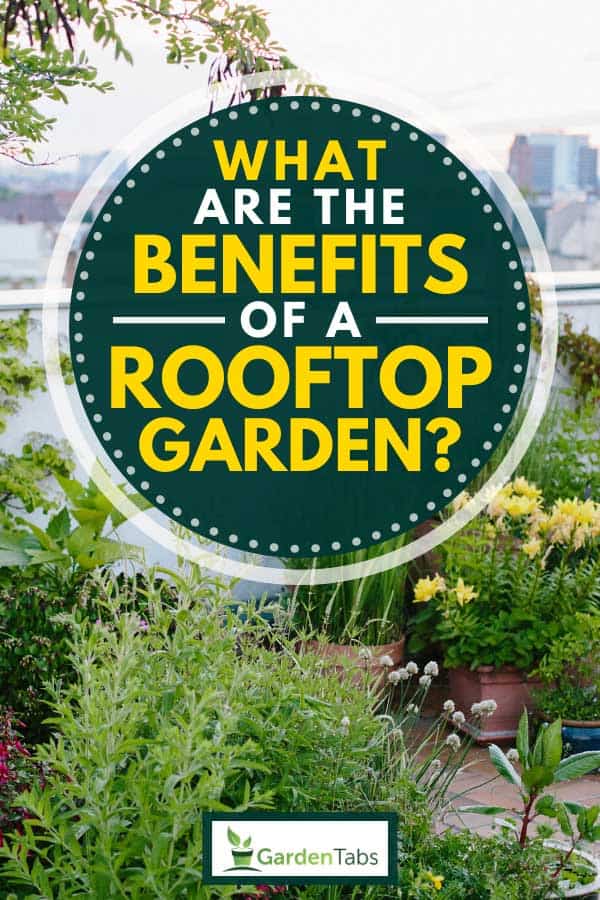
Rooftop gardens have become increasingly popular in urban areas, as people are realizing the numerous benefits they offer. Not only do these green spaces provide a beautiful and relaxing environment, but they also promote healthy eating by allowing individuals to grow their own fresh produce. If you’re considering starting your own rooftop garden, here are eight reasons why it’s a fantastic idea.
1. Utilizing Unused Space: One of the main advantages of rooftop gardens is that they make use of otherwise wasted space on rooftops. In densely populated cities where land is scarce, converting rooftops into productive gardens allows for more greenery and vegetation in urban environments.
2. Improved Air Quality: Rooftop gardens help improve air quality by filtering pollutants and carbon dioxide from the atmosphere while releasing oxygen. Plants absorb harmful gases and release oxygen through photosynthesis, contributing to cleaner and fresher air for everyone around.
3. Reduced Energy Costs: By creating an additional layer of insulation, rooftop gardens can reduce energy costs for buildings below by providing natural shade during hot summer months and acting as a thermal barrier during colder seasons. This added insulation reduces the need for air conditioning or heating systems inside the building.
4. Stormwater Management: Urban areas often struggle with stormwater management due to large amounts of impermeable surfaces like concrete or asphalt roofs that prevent water from being absorbed into the ground properly. Rooftop gardens help mitigate this issue by absorbing rainwater runoff, reducing strain on drainage systems, and minimizing flooding risks.
5. Urban Heat Island Effect Mitigation: The excessive use of concrete and asphalt in cities creates “urban heat islands,” where temperatures can be significantly higher than in surrounding rural areas due to heat absorption and lack of vegetation cover. Rooftop gardens combat this effect by providing cooling effects through evapotranspiration, reducing overall temperatures in urban landscapes.
6. Accessible Fresh Produce: With a rooftop garden at your disposal, you’ll have easy access to fresh, organic fruits and vegetables. Growing your own produce ensures that you know exactly what goes into your food, allowing for a healthier diet free from harmful pesticides or chemicals.
7. Stress Reduction: Rooftop gardens offer a tranquil escape from the hustle and bustle of city life. Spending time surrounded by nature has been proven to reduce stress levels and improve overall mental well-being. Engaging in gardening activities can also provide a therapeutic experience, promoting relaxation and mindfulness.
8. Community Building: Rooftop gardens can serve as communal spaces, bringing people together with shared interests in urban agriculture and healthy living. Collaborative efforts in maintaining rooftop gardens foster a sense of community engagement while providing opportunities for knowledge exchange and social interaction among neighbors.
Starting your rooftop garden may seem like a daunting task at first, but there are various approaches to suit different needs and constraints. Here are some tips to help you get started:
– Evaluate Structural Integrity: Before initiating any garden project on a rooftop, ensure that the structure is strong enough to bear the additional weight of soil, plants, containers, and potential water accumulation.
– Choose Suitable Plants: Select plants that thrive in container gardening environments with limited space such as herbs (basil, rosemary), leafy greens (lettuce, kale), tomatoes, peppers, or even dwarf fruit trees if space permits.
– Consider Watering Needs: Since rooftops tend to be exposed to more sunlight and wind than ground-level gardens, watering requirements may differ. Opt for drought-tolerant plants or install an efficient irrigation system.
– Implement Proper Drainage: Ensure proper drainage by using lightweight growing mediums with good water retention properties while allowing excess water to drain effectively.
– Seek Professional Advice if Necessary: If you’re unsure about any aspect of starting your rooftop garden or need assistance with structural analysis or design considerations, consult professionals experienced in urban gardening projects.
In conclusion, rooftop gardens offer numerous benefits, ranging from improved air quality and energy efficiency to increased access to fresh produce and stress reduction. These green spaces not only enhance the aesthetics of urban landscapes but also contribute to a healthier, more sustainable way of living. So why not transform your rooftop into a thriving garden oasis? Your body, mind, and community will thank you for it!

Leave a Reply