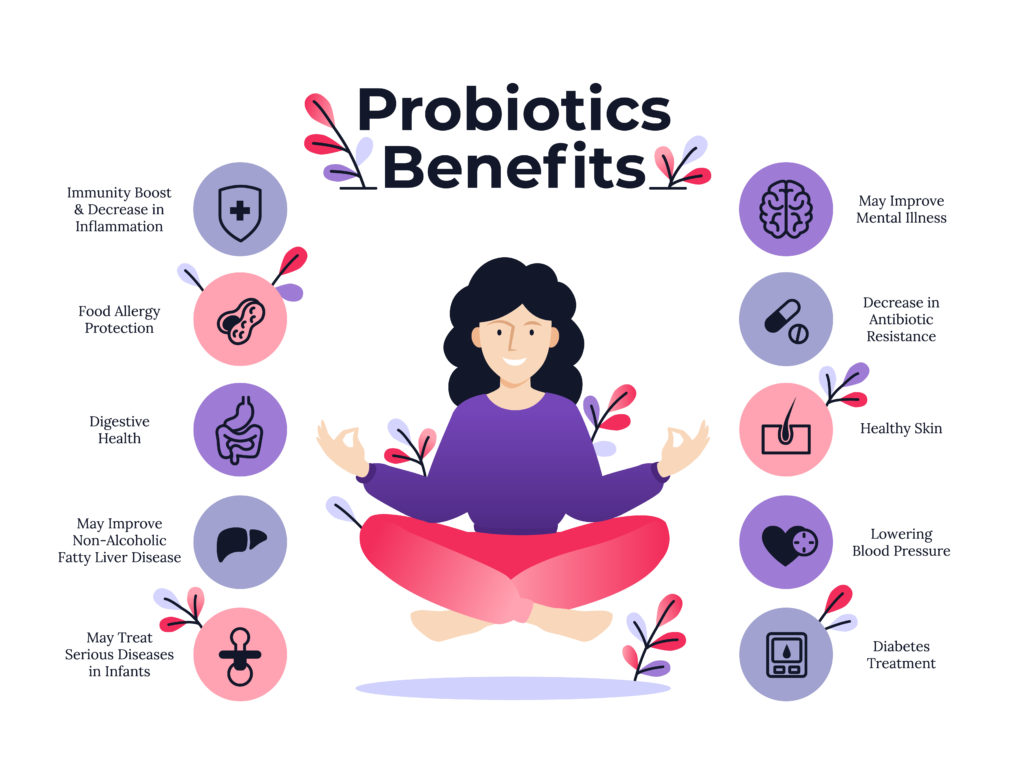
Probiotics have gained significant attention in recent years for their potential health benefits. These live bacteria and yeasts can provide a range of advantages when incorporated into our daily diet or taken as supplements. In this article, we will explore various aspects of probiotics and their impact on different areas of health.
1. Probiotics and Weight Management:
Several studies suggest that specific strains of probiotics may help with weight management. Lactobacillus gasseri, for example, has been found to reduce belly fat in some individuals. Additionally, certain probiotics can improve insulin sensitivity and regulate appetite hormones, contributing to better weight control.
2. Probiotics for Digestive Health in Children:
Children often face digestive issues such as constipation or diarrhea. Probiotics can play a crucial role in maintaining a healthy gut flora balance in children by promoting the growth of beneficial bacteria and reducing harmful pathogens.
3. Probiotics and Mental Health:
The gut-brain connection is an emerging field of research, suggesting that the state of our gut microbiota can influence mental well-being. Some studies indicate that certain strains of probiotics may alleviate symptoms associated with anxiety, depression, and stress.
4. Probiotics and Skin Health:
Skin conditions like acne, eczema, or rosacea could benefit from probiotic supplementation due to their anti-inflammatory properties and ability to strengthen the skin barrier function.
5. Probiotics and Allergies:
Probiotic supplementation during pregnancy or early infancy has shown promise in reducing the risk of allergies such as atopic dermatitis (eczema) or allergic rhinitis (hay fever). They modulate immune responses and promote tolerance towards allergens.
6. Probiotics for Women’s Health:
Certain strains like Lactobacilli are known for their ability to maintain vaginal health by preventing overgrowth of harmful bacteria which can lead to infections like bacterial vaginosis or urinary tract infections.
7. Probiotics and Immune System Support:
A healthy gut microbiota is essential for a robust immune system. Probiotics can enhance the body’s natural defenses by promoting the production of antibodies, improving immune cell function, and reducing inflammation.
8. Probiotics and Oral Health:
Oral probiotics have shown promise in preventing or treating conditions like dental caries (cavities), gum disease, and bad breath by inhibiting the growth of harmful bacteria in the mouth.
9. Probiotics for Athletes and Sports Performance:
Probiotic supplementation may improve athletic performance by enhancing nutrient absorption, reducing exercise-induced inflammation, boosting recovery time, and strengthening immunity.
10. Probiotics and Gut-Brain Connection:
The gut-brain axis plays a significant role in our overall well-being. Emerging evidence suggests that certain probiotic strains can positively influence brain function, mood regulation, and cognitive performance through their impact on gut health.
11. Probiotic-Rich Foods beyond Yogurt and Kefir:
While yogurt and kefir are commonly known sources of probiotics, there are several other fermented foods that provide beneficial bacteria to support gut health. Examples include sauerkraut, kimchi, miso soup, tempeh, kombucha tea, pickles (naturally fermented), etc.
12. Prebiotics vs. Probiotics: Understanding the Difference:
Prebiotics are non-digestible fibers that act as food for beneficial bacteria in our gut while probiotics are live microorganisms themselves. Both work synergistically to promote a healthy gut microbiome.
13. The Role of Probiotics in Managing Irritable Bowel Syndrome (IBS):
Probiotic supplementation has shown promising results in alleviating symptoms associated with IBS such as abdominal pain/discomfort bloating/gas or irregular bowel movements.
14: Fermented Foods as Natural Sources of Probiotics:
Fermented foods are rich in live bacteria and yeasts, making them natural sources of probiotics. Consuming foods like yogurt, kimchi, sauerkraut or kombucha can help maintain a healthy gut.
15. The Impact of Antibiotics on Gut Microbiota and the Need for Probiotic Supplementation:
Antibiotics can disrupt the balance of our gut microbiota by killing both harmful and beneficial bacteria. Supplementing with probiotics during or after antibiotic treatment can help restore a healthy gut flora.
16. Probiotic Strains for Specific Health Conditions:
Different strains of probiotics have specific benefits for different health conditions. For example, Saccharomyces boulardii is effective against diarrhea caused by antibiotics while Bifidobacterium infantis helps relieve symptoms of irritable bowel syndrome (IBS).
In conclusion, probiotics offer a range of potential health benefits across various aspects of wellness including digestive health, mental well-being, weight management, skin health, allergies, women’s health, immune system support, oral health, sports performance, and the gut-brain connection. Incorporating probiotic-rich foods or supplements into your diet could be an excellent way to optimize your overall health and well-being.

Leave a Reply