Welcome to our interview with Jane, a passionate food enthusiast and travel blogger who has recently returned from an incredible culinary journey through Asia. Today, she will be sharing her insights on the healthy eating habits and unique dishes found across this diverse continent.
1. Can you tell us about some of the popular Asian cuisines that promote healthy eating?
Jane: Absolutely! Asian cuisine is known for its emphasis on fresh ingredients, balance of flavors, and vibrant colors. Some popular cuisines that promote healthy eating include Japanese, Thai, Vietnamese, and Korean.
In Japan, traditional meals often revolve around rice or noodles accompanied by grilled fish or tofu, miso soup, pickled vegetables like daikon radish or cucumber salad. The use of seaweed in dishes such as sushi also adds valuable nutrients like iodine.
Thai cuisine incorporates a variety of herbs and spices that not only enhance flavor but also provide health benefits. Dishes like green curry made with coconut milk and loaded with vegetables like broccoli or bell peppers are both tasty and nutritious.
Vietnamese cuisine focuses on light yet flavorful meals featuring fresh herbs (such as cilantro), vegetables like bean sprouts and lettuce wraps instead of heavier starches. Pho is a famous Vietnamese noodle soup made with aromatic broth packed with lean meats or tofu along with an assortment of veggies.
Korean cuisine offers plenty of fermented foods rich in probiotics like kimchi (spicy fermented cabbage) which aids digestion. Bibimbap is another popular dish consisting of steamed rice topped with sautéed vegetables, marinated meat/tofu, gochujang (fermented chili paste), and a fried egg – it’s both filling and nourishing!
2. What are some key ingredients used in these cuisines that contribute to their health benefits?
Jane: Many Asian cuisines incorporate ingredients known for their health benefits. For instance:
– Ginger: Used widely across Asia for its anti-inflammatory properties and aiding digestion.
– Turmeric: Commonly found in Indian and Southeast Asian dishes, it contains antioxidant compounds that may have various health benefits.
– Garlic: Known for its antibacterial and antiviral properties, garlic is used generously in Chinese, Korean, and Vietnamese cooking.
– Tofu: A staple in vegetarian diets across Asia, tofu is a great source of plant-based protein.
– Fish: Rich in omega-3 fatty acids, fish such as salmon or mackerel are commonly consumed in Japan and South Korea.
These ingredients not only add flavor but also provide nutritional value to the dishes.
3. How does Asian cuisine incorporate vegetables into their meals?
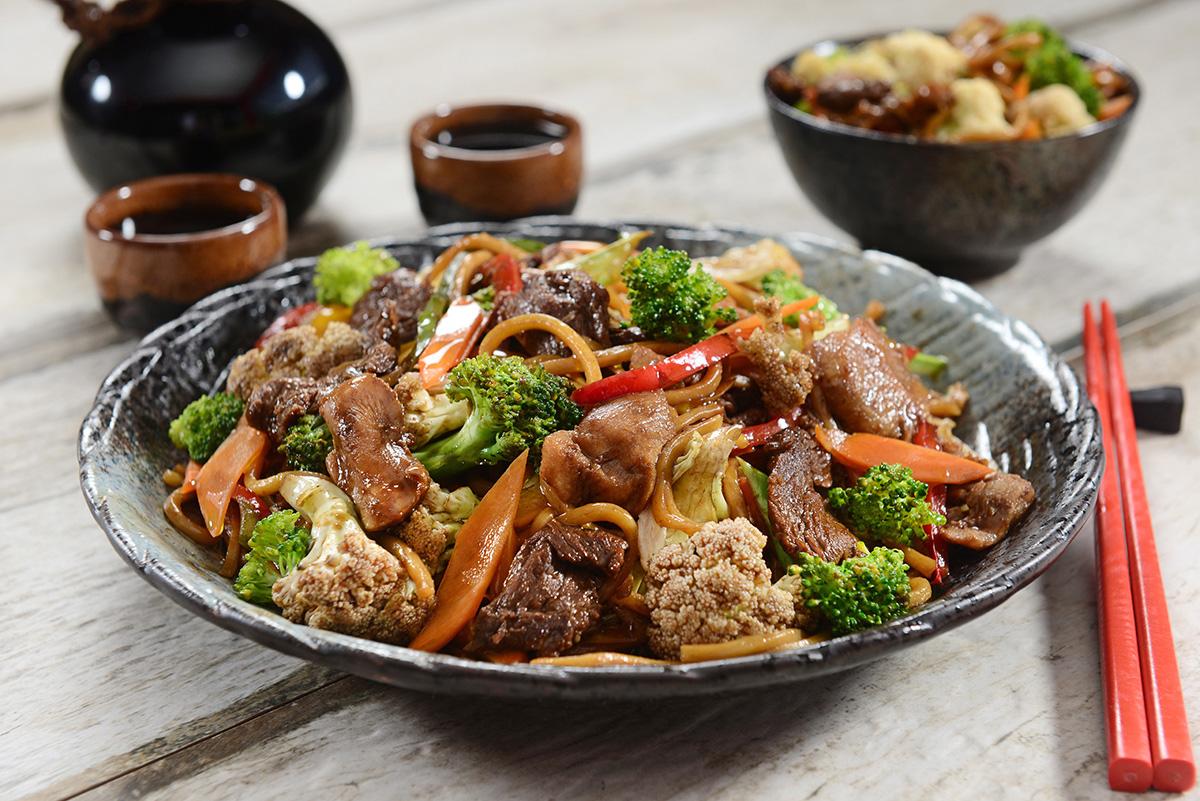
Jane: Vegetables play a significant role in Asian cuisine. In fact, many dishes are centered around them. Stir-fries are a classic example where an array of colorful vegetables like bok choy, snow peas, carrots, mushrooms are briefly cooked to retain their crunchiness and nutrients.
Salads made with fresh herbs like basil or mint combined with shredded green papaya or mango offer a refreshing twist. Additionally, many soups feature an assortment of vegetables such as daikon radish or lotus root.
Moreover, vegetable side dishes called “banchan” accompany every meal in Korean cuisine. These small plates include various pickled vegetables such as kimchi along with stir-fried greens like spinach or sesame-scented bean sprouts. This wide range of veggie options ensures that people get their daily dose of vitamins and minerals.
4. Are there any particular eating habits within Asian cultures that promote overall well-being?
Jane: Absolutely! One notable habit is the concept of portion control. Many Asian cultures practice mindful eating by serving small portions on individual plates instead of family-style bowls which helps prevent overeating.
Furthermore, sharing food among friends and family encourages variety on the plate rather than focusing on large quantities of any one dish. This allows for a wider range of nutrients and flavors in a single meal.
Additionally, the ritual of drinking tea, such as green tea or herbal infusions, is common throughout Asia. These beverages are known for their antioxidant properties and contribute to overall well-being.
5. Any final tips for those who want to incorporate Asian-inspired healthy eating into their diets?
Jane: Start by experimenting with various Asian ingredients like soy sauce, sesame oil, or fish sauce to add depth to your dishes. Incorporate more vegetables into stir-fries or salads and consider trying new grains like quinoa or millet alongside rice.
Don’t be afraid to explore different cuisines within Asia – each has its own unique flavors and health benefits. And most importantly, have fun while cooking! Trying out new recipes can be an exciting journey that opens up a world of delicious and nutritious possibilities.
In conclusion, Asian cuisine offers a wide array of healthy eating options through its emphasis on fresh ingredients, balance of flavors, and mindful portion control. By incorporating some of these habits into our own diets, we can enjoy both the delicious tastes and health benefits associated with this diverse continent’s culinary traditions.

Leave a Reply