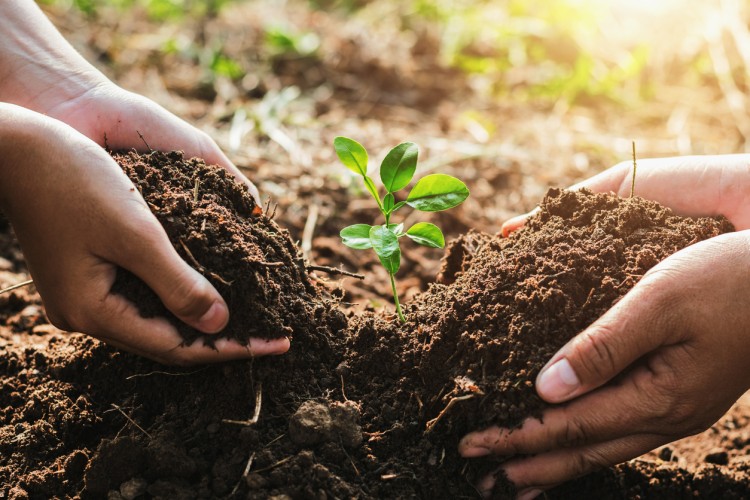
Sustainable agriculture is an essential practice that focuses on growing food in a way that preserves the environment, supports local communities, and ensures the long-term viability of farming. It takes into consideration the impacts of conventional farming methods on soil health, water resources, biodiversity, and greenhouse gas emissions. By adopting sustainable agricultural practices, we can contribute to a healthier planet and promote a more resilient and equitable food system.
One key aspect of sustainable agriculture is soil conservation. Conventional farming often involves excessive tilling and use of synthetic fertilizers, which degrade soil quality over time. Sustainable farmers employ techniques such as crop rotation, cover cropping, and organic fertilization to improve soil fertility while minimizing erosion and nutrient runoff. These practices enhance the overall health of the land by promoting beneficial microbial activity and reducing reliance on chemical inputs.
Another crucial element is water management. Sustainable agriculture aims to minimize water usage through strategies like drip irrigation systems or rainwater harvesting techniques. By using water efficiently, farmers can reduce their impact on freshwater resources while ensuring crops receive adequate hydration for optimal growth.
Promoting biodiversity is also fundamental in sustainable agriculture. Traditional industrial farming often relies heavily on monocultures that require vast amounts of pesticides to combat pests or diseases. In contrast, sustainable farmers embrace diversity by intercropping different plant species, creating habitats for beneficial insects and birds to control pests naturally.
Furthermore, sustainable agriculture emphasizes local production for local consumption whenever possible—reducing transportation costs and emissions associated with long-distance food transportations. Supporting small-scale farms strengthens regional economies while fostering connections between consumers and producers.
Lastly, sustainable agricultural practices help mitigate climate change effects by reducing greenhouse gas emissions associated with industrial farming methods. Practices like agroforestry (integrating trees within farmland) or carbon sequestration through cover crops play vital roles in capturing carbon dioxide from the atmosphere.
In conclusion, embracing sustainable agriculture offers numerous benefits: improved soil health, efficient resource management (including water), enhanced biodiversity, reduced greenhouse gas emissions, and support for local communities. By choosing sustainably produced food, consumers can actively contribute to a healthier planet while enjoying the nutritional benefits of fresh, locally grown produce.

Leave a Reply