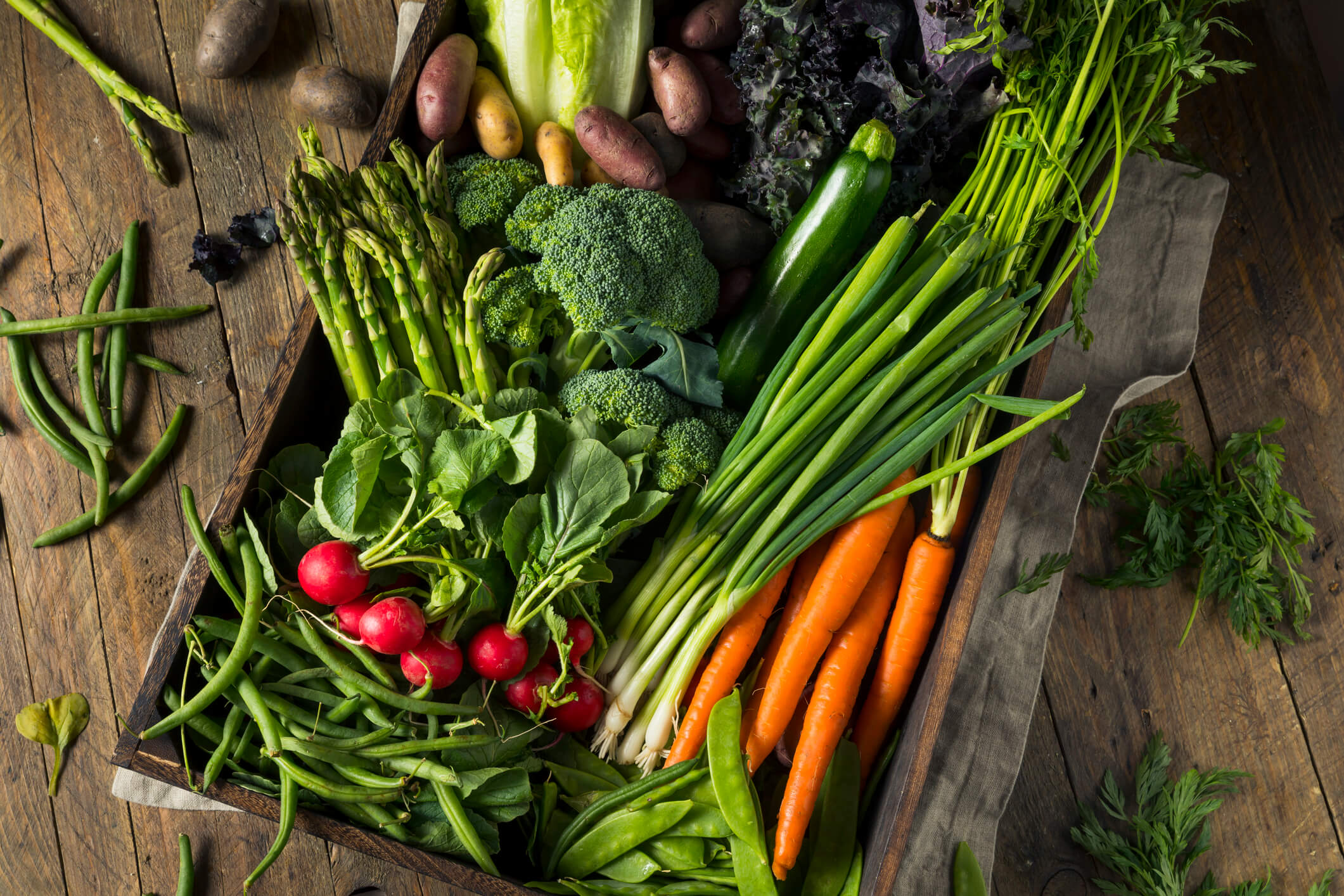
As our world becomes more conscious of the impact we have on the environment, one simple way to make a positive change is by eating seasonally. By choosing fruits and vegetables that are in their natural growing season, we can reduce our carbon footprint and contribute to a more sustainable food system. In this article, we will explore the environmental impact of eating seasonally and how it can benefit both our health and the planet.
1. Reducing Food Miles: When we choose to eat seasonal produce, we are also choosing to support local farmers. Seasonal fruits and vegetables require less transportation since they are grown nearby, reducing greenhouse gas emissions from long-distance shipping. By consuming locally sourced foods, we can significantly decrease the carbon footprint associated with our meals.
2. Preserving Biodiversity: Eating seasonally allows us to enjoy a wide variety of fruits and vegetables throughout the year while supporting biodiversity in agriculture. Many lesser-known or forgotten seasonal ingredients offer unique flavors and nutritional benefits but often get overshadowed by their commercially popular counterparts. Exploring these ingredients not only adds diversity to our diets but helps preserve rare plant species as well.
3. Supporting Sustainable Farming Practices: Seasonal produce is often cultivated using organic farming methods that prioritize soil health, water conservation, and ecosystem preservation. These practices promote biodiversity by avoiding harmful pesticides and chemical fertilizers that can harm pollinators like bees or contaminate water sources. Choosing seasonal options supports farmers who employ these sustainable techniques.
4. Reducing Food Waste: When we opt for seasonal produce, we are more likely to consume what’s available locally instead of relying on imported goods or out-of-season items that may spoil quickly due to extended transport times or improper storage conditions. This reduces food waste at both the production level (farmers discarding unsold crops) and consumer level (discarding spoiled groceries).
5. Health Benefits: Eating seasonally means consuming fruits and vegetables at their freshest and most nutritious state. Seasonal produce is harvested at its peak ripeness, ensuring maximum flavor and nutrient content. These fresh ingredients are rich in vitamins, minerals, antioxidants, and fiber that support our overall health and well-being.
6. Economic Impact: By choosing seasonal produce, we contribute to the local economy by supporting farmers and small businesses within our communities. This helps create job opportunities and strengthens the local food system.
7. Exploring Forgotten Ingredients: Many traditional recipes incorporate seasonal ingredients that have been forgotten or overlooked over time. Embracing these lesser-known options not only adds excitement to our meals but also helps revive culinary traditions from different regions or cultures.
8. Cultural Celebrations: Seasons often coincide with holidays or cultural celebrations that revolve around specific foods or ingredients. Incorporating seasonal dishes into these festivities connects us to our heritage while promoting sustainable eating practices.
9. Foraged Foods: Foraging refers to gathering wild edibles from natural environments like forests, meadows, or coastlines. Including foraged foods in our seasonal meals not only adds a unique touch but also encourages us to connect with nature and appreciate the abundance it provides naturally.
10. Recipe Ideas: Creating delicious meals using seasonal fruits and vegetables doesn’t have to be complicated. Simple salads bursting with summer berries or hearty soups made with winter squash can be both satisfying and healthy choices throughout the year.
11. Community Supported Agriculture (CSA): Joining a CSA program allows individuals to receive regular deliveries of locally grown produce directly from farmers during their respective seasons. This fosters a sense of community while ensuring access to fresh, sustainable food year-round.
12. Overcoming Challenges: Eating seasonally may pose some challenges depending on one’s geographical location or personal preferences for certain flavors or cuisines associated with out-of-season produce items like tropical fruits in colder climates or imported spices used in international cuisine styles.
In conclusion, embracing a seasonal approach to eating not only benefits our health but also has a positive impact on the environment. By reducing food miles, supporting sustainable farming practices, and embracing forgotten or foraged ingredients, we can contribute to a more sustainable and resilient food system. So let’s celebrate the changing seasons by incorporating delicious and nutritious seasonal dishes into our daily lives.

Leave a Reply