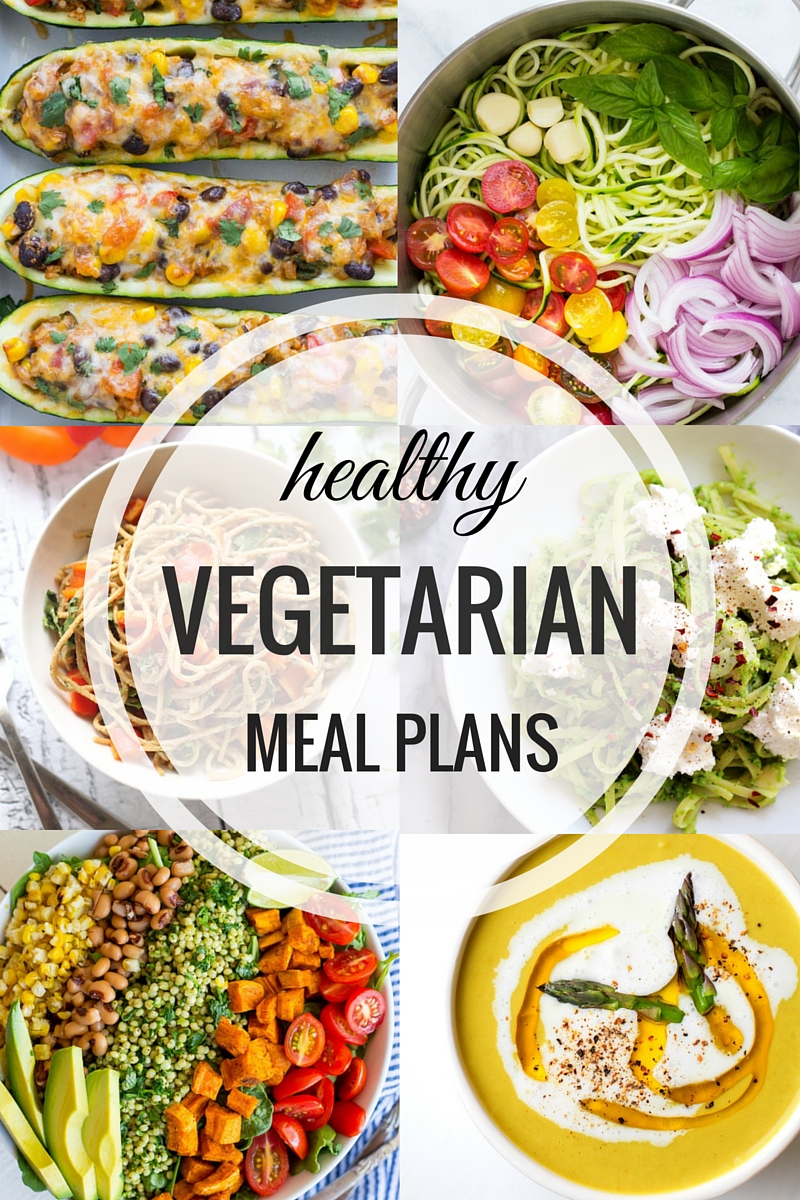
Whether you’re a seasoned vegan or just starting to explore plant-based eating, meal planning is an essential tool for success. Planning your meals in advance not only helps you stay on track with your dietary goals but also saves time and money. With the right strategies and resources, creating delicious and nutritious vegan meals can be both effortless and enjoyable. In this article, we will dive into the world of vegan meal planning, providing you with tips, ideas, and resources to help you get started.
Why Meal Planning Matters
Meal planning involves deciding what to eat in advance and preparing for it ahead of time. When it comes to following a vegan diet, having a solid plan ensures that you have all the necessary ingredients on hand and eliminates last-minute temptations to resort back to non-vegan options.
1. Saves Time: By dedicating some time each week to plan your meals, you’ll save countless hours during busy weekdays when decision fatigue can kick in. Knowing what’s on the menu simplifies grocery shopping as well.
2. Reduces Food Waste: Meal planning allows you to use up ingredients efficiently without letting them go bad in the fridge or pantry.
3. Supports Nutritional Balance: With meal planning, it becomes easier to ensure that your diet includes a variety of fruits, vegetables, whole grains, legumes, nuts, and seeds – all crucial components of a healthy plant-based lifestyle.
4. Saves Money: Having a carefully planned grocery list helps avoid impulse purchases while making use of cost-effective ingredients like dried beans or buying produce in bulk.
Getting Started with Vegan Meal Planning
Before diving into detailed planning techniques or recipes suggestions, let’s break down some essential steps for effective vegan meal planning:
1. Assess Your Needs: Consider factors such as personal preferences (cuisine types), dietary restrictions or allergies (gluten-free), portion sizes required (individual vs family), budget limitations (affordable options), available kitchen equipment (oven, blender), and time constraints (quick meals or batch cooking).
2. Create a Weekly Meal Plan: Start by deciding how many meals you want to plan for – breakfast, lunch, dinner, and snacks. You can either plan each meal individually or opt for theme-based days like Meatless Monday or Taco Tuesday.
3. Gather Recipes: Look for vegan recipes that align with your dietary needs and preferences. Collect them in one place for easy reference during the planning process.
4. Make Your Grocery List: Based on the chosen recipes, create a comprehensive grocery list of all the ingredients needed. Be sure to check your pantry and fridge beforehand to avoid purchasing unnecessary items.
5. Shop Smart: Stick to your prepared grocery list as much as possible to prevent impulse purchases and save money.
6. Prep Ahead of Time: Once you return from grocery shopping, dedicate some time to prepping ingredients in advance – washing vegetables, chopping fruits, or even precooking certain components if desired.
7. Keep It Flexible: While having a structured meal plan is beneficial, remain open to adjusting it when necessary due to unexpected events or changes in circumstances.
Tips for Successful Vegan Meal Planning
Now that we have covered the basics let’s dive into specific tips that will help make your vegan meal planning a breeze:
1. Batch Cooking: Prepare larger quantities of staple foods such as grains (rice, quinoa), legumes (beans, lentils), roasted vegetables or sauces/dressings ahead of time so that they can be used throughout the week in various dishes.
2. Repurpose Leftovers: Get creative with leftovers by transforming them into new meals – leftover rice can become stir-fried rice with added veggies; roasted vegetables can be blended into soups or turned into delicious wraps.
3. Embrace Freezer Meals: Double up on recipes and freeze individual portions for future use on busy days when you don’t have time to cook from scratch.
4. Salad Jars and Mason Jar Meals: Layering salads or other meals in jars helps maintain freshness and allows for easy grab-and-go options on busy mornings.
5. Keep a Well-Stocked Pantry: Having a well-stocked pantry with essentials like canned beans, whole grains, spices, herbs, oils, and vinegars ensures that you always have the basics on hand to create quick and nutritious vegan meals.
6. Try Theme Nights: Assign specific themes to different days of the week – Mexican Monday, Italian Wednesday – to add variety while simplifying your meal planning process.
7. Utilize Online Resources: Explore online platforms dedicated to vegan recipes and meal plans such as blogs, websites, social media groups/pages or consider using vegan-specific meal planning apps that provide recipe suggestions along with grocery lists.
8. Involve the Family: If you’re not the only one following a plant-based diet at home, include family members in the meal planning process by seeking their input or assigning them specific tasks like choosing recipes or helping with grocery shopping.
9. Stay Inspired: Subscribe to newsletters from food bloggers specializing in vegan cuisine or follow Instagram accounts featuring delicious plant-based dishes for ongoing inspiration throughout your journey
10. Be kind to Yourself: Remember that it’s okay if everything does not go according to plan every time. Allow flexibility within your schedule and give yourself permission to try new things without feeling overwhelmed or defeated if something doesn’t work out perfectly.
Vegan Meal Planning on a Budget
Eating healthily doesn’t have to break the bank; here are some tips for budget-friendly vegan meal planning:
1. Buy Seasonal Produce: Purchasing fruits and vegetables when they’re in season not only enhances flavor but also reduces costs significantly.
2.Choose Frozen Fruits & Veggies: Opting for frozen produce can be more affordable than fresh while still providing essential nutrients – perfect for smoothies, stir-fries, and soups.
3. Embrace Whole Foods: Focus on whole grains (rice, oats, quinoa), legumes (lentils, beans), and affordable protein sources like tofu or tempeh rather than relying heavily on expensive vegan meat substitutes.
4. Shop in Bulk: Buying staples like rice, pasta, nuts, seeds, or spices in bulk can lead to substantial savings over time.
5. Plan for Leftovers: Intentionally cooking more than one meal’s worth of food ensures you have leftovers that can be repurposed into future meals thus stretching your budget further.
6. DIY Convenience Items: Instead of buying pre-packaged snacks or convenience foods that tend to be pricier, consider making your own energy bars or granola at home using cost-effective ingredients like oats and dried fruits.
7. Grow Your Own Herbs: Growing fresh herbs at home is not only rewarding but also saves money in the long run by eliminating the need to purchase them regularly from the grocery store.
Final Thoughts
Meal planning plays a vital role in maintaining a healthy and sustainable vegan lifestyle. By taking some time each week to plan ahead, you’ll save time, reduce stress around food choices while ensuring a balanced diet with delicious plant-based meals. Experiment with different recipes and techniques until you find what works best for you and your family. Remember that meal planning is flexible – adapt it according to your needs and preferences while staying open to culinary inspiration along the way!

Leave a Reply