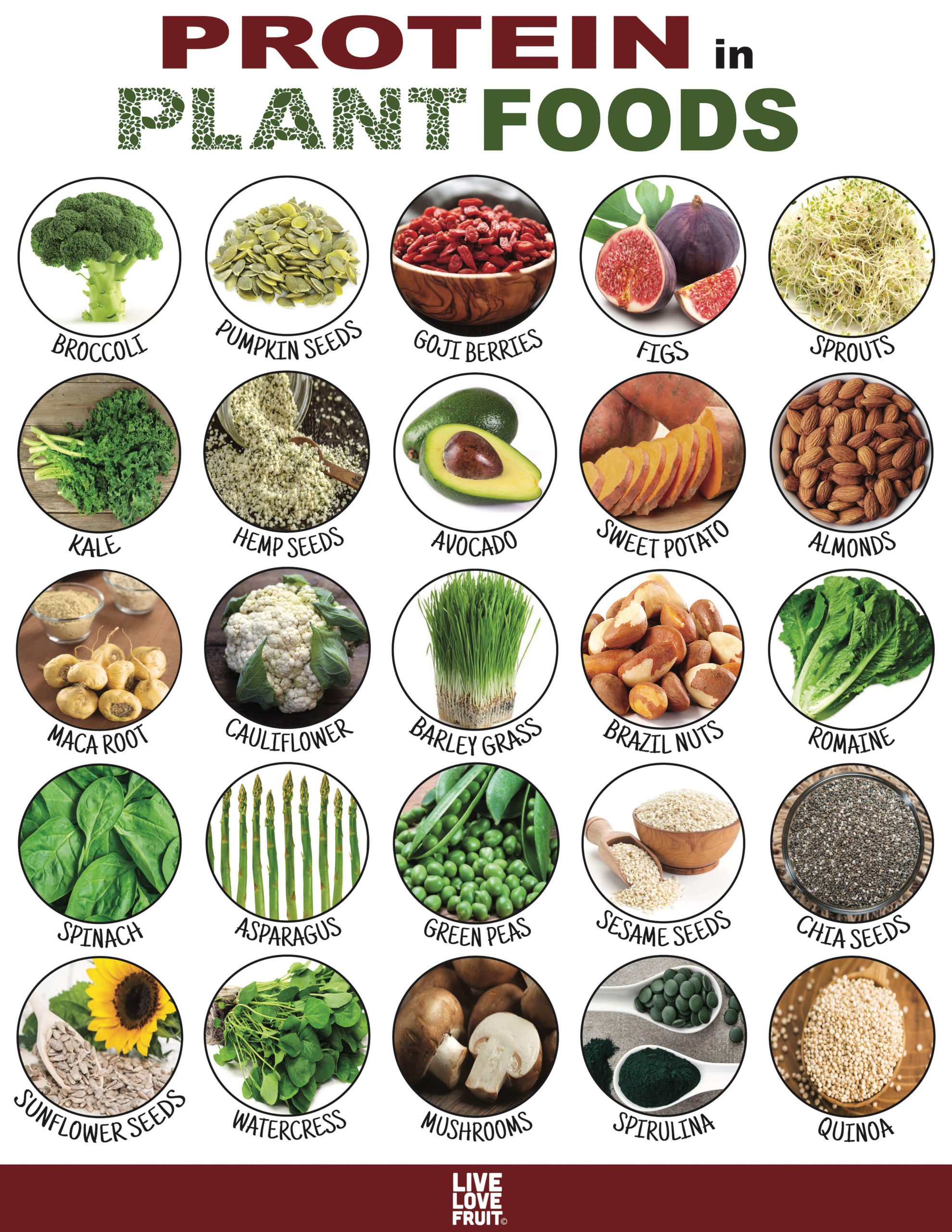
Complete Plant-Based Proteins: A Comprehensive Guide to Nourishing Your Body
Introduction:
Protein is an essential macronutrient that plays a crucial role in our overall health and well-being. It is responsible for building and repairing tissues, supporting immune function, transporting nutrients throughout the body, and maintaining proper hormone balance. While many people associate protein with animal products like meat, eggs, and dairy, it is entirely possible to meet your protein needs through a plant-based diet.
In recent years, there has been a surge in interest surrounding plant-based diets due to their environmental sustainability and potential health benefits. However, concerns often arise regarding the adequacy of protein intake from solely plant sources. Thankfully, there are numerous complete plant-based proteins available that can provide all the essential amino acids required by our bodies.
What are Complete Proteins?
Proteins are made up of smaller units called amino acids. There are 20 different types of amino acids that exist naturally in various foods we consume. Nine of these amino acids are considered “essential” because they cannot be produced by our bodies and must be obtained from our diet.
A complete protein contains all nine essential amino acids in adequate amounts necessary for optimal bodily function. While animal products such as meat, fish, poultry, eggs, and dairy generally contain complete proteins, there are several exceptional plant-based options available as well.
1. Quinoa:
Quinoa is often hailed as a nutritional powerhouse due to its high protein content (around 8 grams per cooked cup) alongside being gluten-free and rich in fiber. Additionally, quinoa offers all nine essential amino acids—making it one of the few complete plant-based proteins available.
2. Chia Seeds:
Chia seeds have gained popularity over recent years due to their impressive nutritional profile—a fantastic source of omega-3 fatty acids, fiber-rich carbohydrates—and yes! Protein too! These tiny seeds pack around 4 grams of protein per ounce and provide all essential amino acids, making them an excellent addition to any plant-based diet.
3. Buckwheat:
Despite its name, buckwheat is not related to wheat and is entirely gluten-free. It offers a complete protein profile with approximately 6 grams of protein per cooked cup. Rich in fiber and minerals such as manganese and magnesium, buckwheat can be consumed in various forms, including groats, flour, or even noodles.
4. Hemp Seeds:
Hemp seeds are derived from the Cannabis sativa plant but do not contain THC—the psychoactive compound found in marijuana. These little powerhouses boast around 10 grams of complete protein per ounce alongside being rich in omega-3 fatty acids and other essential nutrients like iron and vitamin E.
5. Spirulina:
Spirulina is a blue-green algae that has been used for centuries due to its potent nutritional content. It contains about 8 grams of complete protein per two tablespoons and provides an array of vitamins (such as B vitamins) and minerals (including iron). Spirulina can be easily incorporated into smoothies or used as a supplement for an extra boost of protein.
6. Tempeh:
Tempeh is a fermented soybean product originating from Indonesia—known for its nutty flavor and firm texture. With approximately 16 grams of protein per cooked cup, tempeh serves as an excellent meat substitute while also providing all essential amino acids needed by our bodies.
7. Lentils:
Lentils are legumes known for their versatility in cooking—a staple ingredient worldwide due to their affordability and accessibility. They offer roughly 18 grams of protein per cooked cup alongside being high in dietary fiber, folate, iron, and potassium—all vital nutrients necessary for maintaining good health.
8. Quorn Products:
Quorn products are made from mycoprotein—a type of fungus—and have gained popularity among individuals seeking plant-based protein alternatives. These products are complete proteins and offer various options such as “chicken” nuggets, patties, and sausages that contain approximately 13-15 grams of protein per serving.
Conclusion:
The notion that animal products are the sole source of complete proteins is a common misconception. By incorporating a variety of plant-based foods into your diet, you can easily obtain all the essential amino acids necessary for optimal health. Quinoa, chia seeds, buckwheat, hemp seeds, spirulina, tempeh, lentils, and Quorn products are just a few examples of complete plant-based proteins available to nourish your body.
Remember to include other whole plant foods in your meals to ensure you receive an array of nutrients necessary for overall well-being. Experiment with different recipes and combinations to discover delicious ways to meet your daily protein needs while reaping the benefits of a sustainable and cruelty-free lifestyle.

Leave a Reply