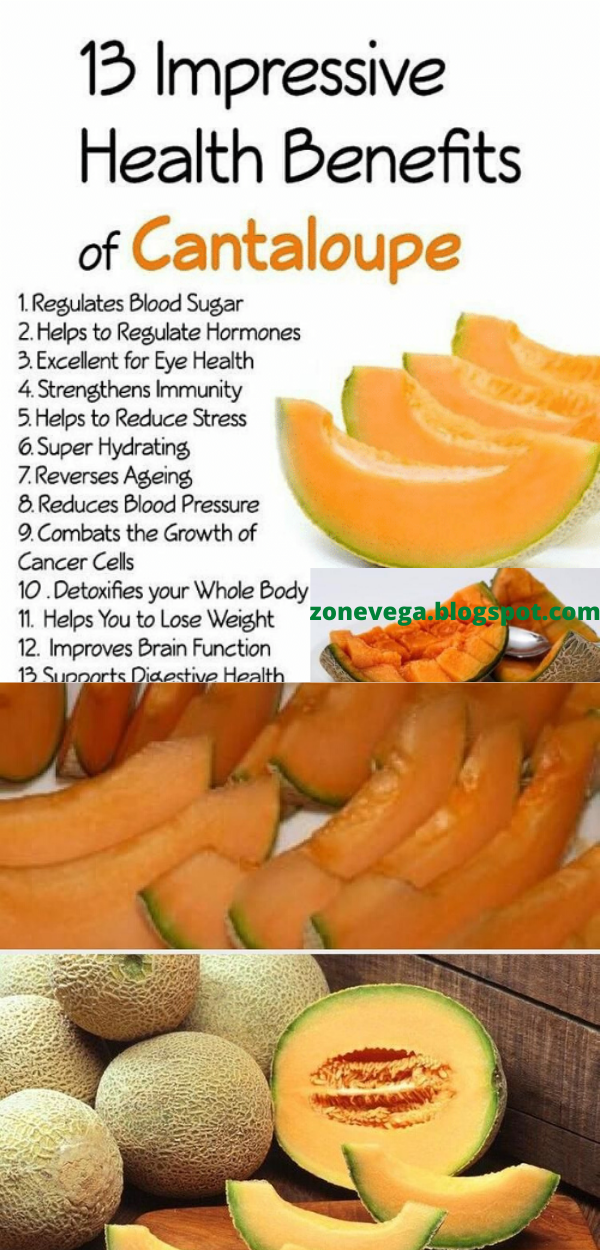
Cantaloupe is a delicious and refreshing fruit that is commonly enjoyed during the summer months. Known for its sweet and juicy flesh, it is often consumed as a snack or used in various culinary preparations. However, what many people may not realize is that cantaloupe seeds and rind also offer numerous health benefits. In this article, we will explore the nutritional value of cantaloupe seeds and rind and discover why you should consider incorporating them into your diet.
1. Nutritional Profile of Cantaloupe Seeds:
Cantaloupe seeds are often discarded without a second thought, but they are actually incredibly nutritious. They contain essential vitamins, minerals, healthy fats, and fiber that can contribute to overall well-being.
One notable nutrient found in cantaloupe seeds is magnesium. Magnesium plays a crucial role in maintaining proper muscle function, regulating blood pressure levels, and supporting heart health. Additionally, these tiny seeds are an excellent source of potassium—a mineral important for maintaining electrolyte balance in the body.
Furthermore, cantaloupe seeds contain healthy fats such as omega-3 fatty acids which have been linked to various health benefits including reducing inflammation and improving brain function.
2. Health Benefits of Cantaloupe Seeds:
By incorporating cantaloupe seeds into your diet, you can reap several health benefits:
a) Heart Health: The combination of magnesium and potassium present in cantaloupe seeds contributes to cardiovascular health by helping regulate blood pressure levels and supporting proper heart function.
b) Digestive Health: Cantaloupe seeds are rich in dietary fiber which aids digestion by promoting regular bowel movements and preventing constipation. Including them in your diet can help maintain a healthy digestive system.
c) Anti-Inflammatory Properties: Omega-3 fatty acids found in cantaloupe seeds possess anti-inflammatory properties that may help reduce inflammation throughout the body—beneficial for conditions like arthritis or inflammatory bowel disease.
d) Weight Management: The fiber content in cantaloupe seeds helps you feel fuller for longer periods, reducing the likelihood of overeating and aiding in weight management efforts.
3. Nutritional Value of Cantaloupe Rind:
While most people only consume the juicy flesh of a cantaloupe, the rind is often overlooked. However, it too offers several health benefits and can be used creatively in recipes.
a) Vitamin C Powerhouse: Cantaloupe rind contains a significant amount of vitamin C. This essential vitamin strengthens the immune system, aids collagen production for healthier skin, and acts as an antioxidant to combat free radicals that can damage cells.
b) Fiber-Rich: Similar to cantaloupe seeds, the rind also provides a good amount of dietary fiber. Including it in your diet can promote regularity and support digestive health.
c) Hydration Aid: The rind has high water content which makes it an excellent hydrating food. Consuming foods with high water content can contribute to staying adequately hydrated throughout the day.
4. Ways to Incorporate Cantaloupe Seeds and Rind Into Your Diet:
Now that we understand the health benefits offered by both cantaloupe seeds and rind let’s explore some creative ways to incorporate them into our daily meals:
a) Roasted Seeds: After washing and drying cantaloupe seeds thoroughly, toss them with olive oil or your preferred spices before roasting them in the oven until they turn golden brown. These crunchy roasted seeds make a delightful snack or salad topping packed with nutrients.
b) Smoothie Boosters: Add a tablespoon or two of ground cantaloupe seeds into your favorite smoothies for an extra dose of magnesium, potassium, healthy fats, and fiber without altering its flavor significantly.
c) Pickled Rinds: Cut off the outer green layer from the cantaloupe rind, slice it into thin strips, and pickle them using vinegar, salt, and your choice of spices. These tangy pickled rinds can add a unique twist to salads or sandwiches.
d) Juicing: Don’t waste the cantaloupe rind! Consider juicing it along with the flesh for a refreshing and nutritious beverage. This is an excellent way to benefit from its vitamin C content while reducing food waste.
In conclusion, don’t underestimate the health benefits hidden in cantaloupe seeds and rind. By incorporating these often-discarded parts of the fruit into your diet, you can boost your intake of essential nutrients like magnesium, potassium, fiber, healthy fats, and vitamin C. So next time you indulge in a juicy cantaloupe, remember to save those valuable seeds and explore creative ways to utilize the nutrient-packed rind. Your body will thank you for it!

Leave a Reply