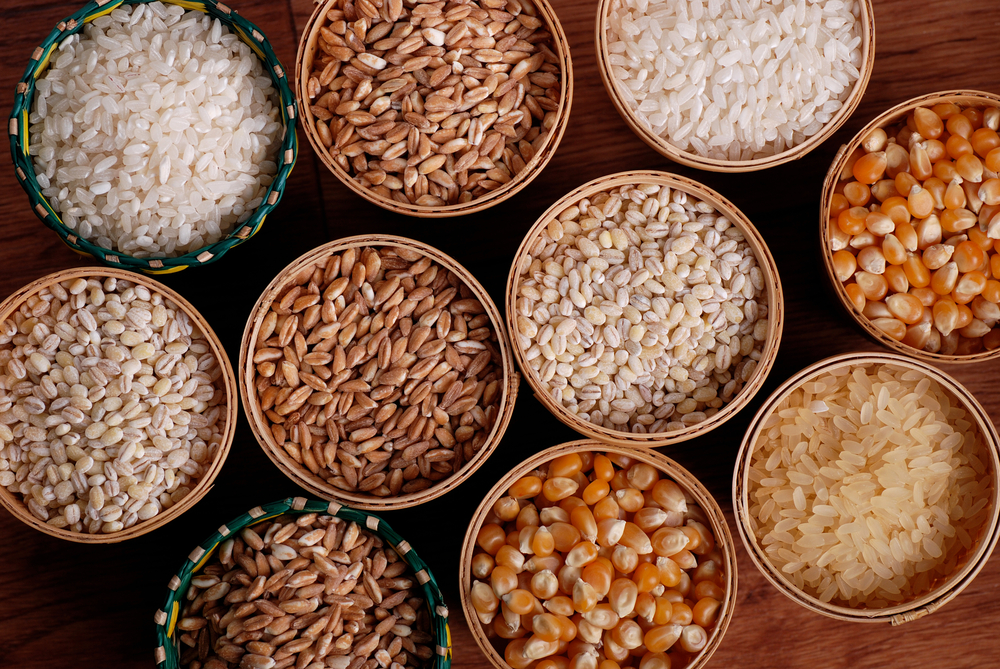
Welcome to our Healthy Eating website, where we strive to provide you with valuable information and resources to help you make nutritious choices for yourself and your family. In today’s post, we will be discussing the importance of whole grains in family meals.
Whole grains are an essential part of a healthy diet as they offer numerous health benefits. Unlike refined grains, such as white flour and white rice, whole grains retain their outer bran layer and germ, making them rich in fiber, vitamins, minerals, antioxidants, and phytochemicals. Incorporating whole grains into your family meals can contribute to better digestion, reduced risk of chronic diseases like heart disease and type 2 diabetes, improved weight management, increased energy levels, and overall enhanced well-being.
Now that we understand the significance of whole grains let’s explore some delicious and wholesome ways to incorporate them into our family meals:
1. Breakfast Ideas:
Start your day right by serving up hearty breakfast options that include whole grains. Consider preparing oatmeal topped with fresh fruits or nuts for added flavor and texture. Alternatively, swap out regular pancakes or waffles with ones made from whole grain flours like buckwheat or spelt.
2. Lunchtime Delights:
Sandwiches are a popular choice for lunch but opt for bread made from 100% whole wheat instead of refined white bread. Pile on lean proteins like grilled chicken or turkey along with plenty of vegetables for added nutrition. Another option is to prepare salads using ancient grains like quinoa or farro as a base.
3. Wholesome Dinners:
Dinnertime offers numerous opportunities to incorporate whole grains into your family meals creatively:
– Swap out traditional pasta for versions made from whole wheat or other alternative flours such as chickpea or lentil pasta.
– Try replacing white rice with brown rice or experiment with other ancient varieties like black rice.
– Embrace the flavors of different cuisines by incorporating quinoa into Mexican-inspired dishes like burrito bowls or using bulgur in Mediterranean-style tabbouleh salads.
– Stuff bell peppers or tomatoes with a mixture of cooked whole grains, lean protein, and vegetables for a nutritious and filling meal.
– For pizza nights, experiment with whole grain crust options or make your own using whole wheat flour.
4. Snack Time:
When it comes to snacking, opt for whole grain choices that are both tasty and satisfying. Air-popped popcorn is an excellent option as it is a whole grain snack that can be enjoyed plain or seasoned with various herbs and spices. Whole grain crackers paired with hummus or nut butter also make for a wholesome snack choice.
5. Baking with Whole Grains:
Incorporating whole grains into baked goods can be a delightfully healthy way to satisfy the family’s sweet tooth. Substitute refined flours with whole wheat flour or use a combination of different types of flours such as almond flour, oat flour, or buckwheat flour. Experimenting with recipes that incorporate ingredients like rolled oats, quinoa flakes, chia seeds, or ground flaxseeds adds texture and boosts the nutritional value while still providing delicious treats.
6. Tips for Success:
Introducing whole grains may require some adjustments if your family isn’t accustomed to them. Here are some tips to help you succeed in incorporating more whole grains into your meals:
– Start slowly by replacing half of the refined grains in recipes with their whole grain counterparts until everyone becomes accustomed to the taste and texture.
– Be creative! Experiment with different types of ancient grains like millet, amaranth, teff, or sorghum.
– Make it fun by involving your children in meal planning and preparation. Let them choose new grains to try out and involve them in cooking activities.
– Educate yourself about various cooking techniques specific to each type of grain you want to introduce. Different grains have different cooking times and methods, so it’s crucial to know the basics.
– Plan ahead by batch-cooking whole grains like quinoa or brown rice and storing them in the refrigerator for quick meal assembly during busy days.
In conclusion, incorporating whole grains into your family meals is a simple yet effective way to promote a healthier lifestyle. With their numerous health benefits and versatility in recipes, there’s no reason not to embrace these wholesome options. Start small, experiment with different varieties, and before you know it, your family will be enjoying delicious meals that are both nutritious and satisfying. Here’s to happy and healthy eating!

Leave a Reply