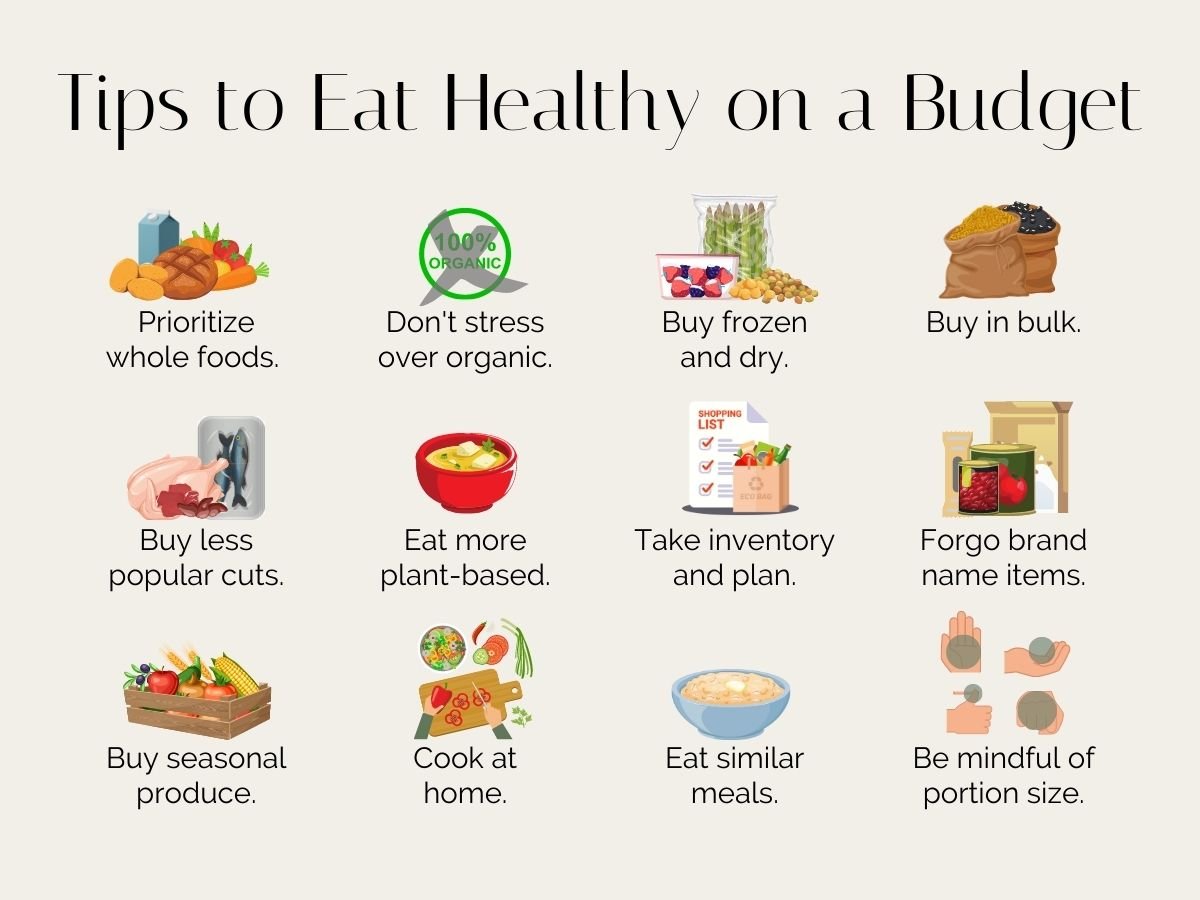
Eating Healthy on a Limited Income
Introduction:
We often hear the saying, “You are what you eat.” And it’s true – our food choices play a significant role in determining our overall health and well-being. However, many people believe that eating healthy is expensive and beyond their budgetary constraints. The good news is that it doesn’t have to be! With some planning, creativity, and smart shopping strategies, it is possible to eat nutritious meals while sticking to a limited income. In this article, we will explore various tips and tricks for eating healthy on a tight budget.
1. Plan Your Meals:
Meal planning is an essential step towards maintaining a healthy diet while being cost-conscious. Before heading to the grocery store or farmer’s market, take some time to plan out your meals for the week. Consider including more plant-based options like beans, lentils, whole grains, fruits, and vegetables as they tend to be more affordable than animal products.
Take inventory of what you already have in your pantry and fridge so that you can utilize those ingredients before they expire. Look for recipes online or in cookbooks that incorporate these items into delicious meals.
2. Cook at Home:
Eating out may seem convenient when life gets busy or when cooking seems intimidating due to lack of experience or time. However, relying on restaurant meals or take-out can quickly drain your wallet without providing much nutritional value.
By cooking at home regularly, you gain control over the quality of ingredients used in your meals while saving money in the process. Experiment with simple recipes that require minimal ingredients but still provide all necessary nutrients.
3. Buy Whole Foods:
Processed foods are often pricier compared to whole foods such as grains (rice, oats), legumes (beans), fruits (bananas), vegetables (carrots), and proteins (eggs). These staple items can form the foundation of inexpensive yet nourishing dishes.
Instead of purchasing pre-packaged meals or snacks, opt for whole foods and transform them into delicious creations. For example, a bag of dried beans can be soaked overnight and cooked in large batches to provide several meals throughout the week.
4. Embrace Seasonal Produce:
Seasonal fruits and vegetables tend to be more affordable due to their abundance during specific times of the year. Take advantage of this by incorporating seasonal produce into your meal plans.
Visit a local farmer’s market or join a community-supported agriculture (CSA) program to access fresh, locally grown produce at reasonable prices. These options often offer better deals than supermarkets while supporting local farmers.
5. Utilize Frozen Fruits and Vegetables:
While fresh produce is ideal, frozen fruits and vegetables are excellent alternatives when budget constraints are tight or when certain items are out of season. They retain most of their nutrition and can be stored for longer periods without spoiling.
Stock up on frozen fruits like berries or mangoes for smoothies or use frozen vegetables as additions to stir-fries, soups, or pasta dishes. They provide convenience while still offering essential vitamins and minerals.
6. Shop Sales and Discounts:
Keeping an eye out for sales flyers, coupons, or discount codes can significantly reduce grocery expenses. Before shopping each week, browse through online advertisements or newspapers to identify discounted items that align with your meal plan.
Consider purchasing non-perishable items in bulk if there is enough storage space available as they often come at reduced costs per unit compared to smaller packages.
7. Compare Prices:
Not all stores have the same prices on groceries; therefore, it’s crucial to compare prices before making purchases. Visit different supermarkets in your area or explore online grocery delivery services that allow you to easily compare prices across multiple retailers.
Additionally, consider purchasing generic brands instead of branded products as they tend to be more affordable without compromising quality or taste.
8. Reduce Food Waste:
Food waste not only impacts the environment but also puts a strain on your budget. To avoid throwing away unused food, plan your meals in such a way that you can use leftovers for future dishes.
Get creative with repurposing ingredients – leftover roasted chicken can be transformed into chicken salad or added to a stir-fry. Stale bread can be used to make breadcrumbs or croutons.
9. Grow Your Own Food:
If you have access to outdoor space, consider starting a small garden. Growing your own fruits, vegetables, and herbs allows you to cut down on grocery expenses while enjoying the satisfaction of harvesting fresh produce.
Even without much space, you can grow herbs in pots on windowsills or balconies. Fresh herbs add flavor and versatility to meals without adding extra cost.
10. Seek Community Resources:
Many communities offer resources for individuals facing financial constraints. Look into local food banks, community gardens, or programs that provide discounted groceries to those in need.
Additionally, some organizations offer cooking classes focused on affordable and nutritious meals. Participating in these programs not only helps stretch your budget further but also educates you about healthy eating options.
Conclusion:
Eating healthy on a limited income is indeed possible with proper planning and smart choices. By implementing these tips – meal planning, cooking at home, buying whole foods and seasonal produce, utilizing frozen items when necessary, shopping sales and comparing prices – you’ll find that it’s within reach to maintain a nourishing diet without breaking the bank.
Remember that being resourceful and creative are key skills when it comes to eating healthy on a tight budget. With determination and knowledge about nutritionally balanced meals, anyone can prioritize their health without sacrificing their financial stability

Leave a Reply