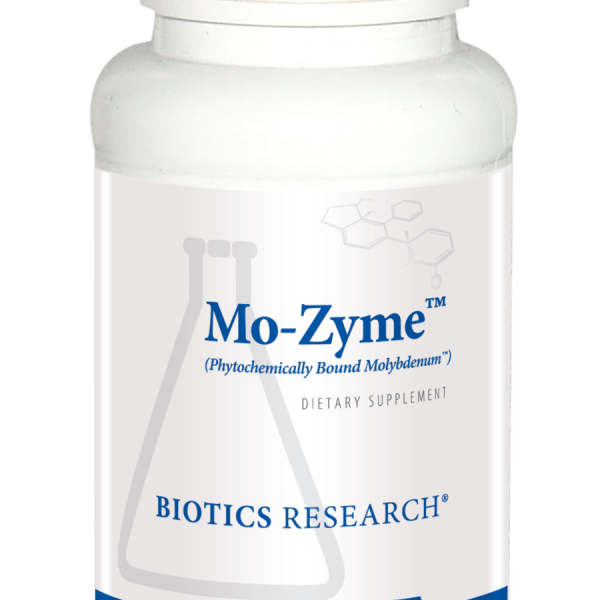
Welcome to today’s panel discussion on the role of molybdenum in detoxification processes. We have gathered a group of experts who will shed light on this essential trace mineral and its significance in maintaining overall health. So, let’s dive right into it!
Molybdenum is a crucial micronutrient that plays a vital role in various biological processes within the body, including detoxification. It is involved in the metabolism of drugs, toxins, and other harmful substances by aiding enzymes responsible for breaking them down.
One such enzyme is called sulfite oxidase, which converts sulfites (a common food preservative) into harmless sulfates. Without sufficient levels of molybdenum, sulfite can accumulate in the body and cause adverse reactions such as headaches, rashes, and digestive issues.
Another important enzyme where molybdenum acts as a cofactor is xanthine oxidase. This enzyme helps convert purines into uric acid—a waste product that needs to be eliminated from our bodies efficiently. If this process is impaired due to low molybdenum levels, it can lead to an accumulation of uric acid and ultimately result in conditions like gout or kidney stones.
Furthermore, molybdenum supports liver function—an organ responsible for detoxification—by facilitating the production of enzymes required for metabolizing drugs and toxins effectively. The liver breaks down these substances into less harmful compounds that can then be excreted through urine or bile.
To ensure optimal detoxification processes in our bodies, it’s important to consume foods rich in molybdenum regularly. Some excellent dietary sources include legumes (such as lentils and beans), whole grains (like oats and brown rice), dark leafy greens (such as spinach and kale), nuts (especially almonds), organ meats (like liver), eggs, and dairy products.
However, it’s worth noting that most people obtain enough molybdenum through a balanced diet alone, as the body only requires small amounts of this mineral. The recommended dietary allowance (RDA) for adults is around 45 to 50 micrograms per day. Deficiencies are rare but can occur in individuals with certain genetic disorders or those who consume an extremely restricted diet.
On the other hand, excessive intake of molybdenum is also rare but can be a concern for individuals exposed to high levels of industrial pollutants or those with specific medical conditions that interfere with its metabolism. In such cases, it’s crucial to consult a healthcare professional for guidance.
In conclusion, molybdenum plays a significant role in detoxification processes within our bodies by supporting various enzymes involved in breaking down harmful substances. While deficiencies and excesses are uncommon, ensuring an adequate intake through a well-balanced diet is essential for overall health.
Remember to incorporate molybdenum-rich foods into your meals regularly to support optimal detoxification and liver function. As always, consult with a healthcare professional if you have any concerns about your nutrient status or if you suspect any underlying health conditions affecting molybdenum metabolism.
That wraps up today’s panel discussion on the importance of molybdenum in detoxification processes. We hope this information has been insightful and helpful on your journey towards maintaining good health!

Leave a Reply