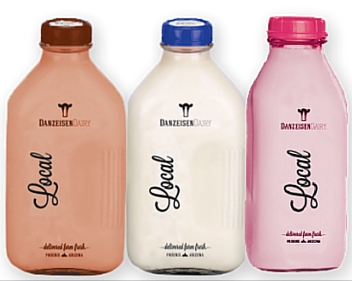
Local Dairy Products: Milk for a Healthy Lifestyle
When it comes to healthy eating, we often overlook the importance of dairy products. Milk, in particular, is a powerhouse of essential nutrients that can greatly benefit our overall well-being. While supermarket shelves are filled with various options, local dairy products offer a unique advantage – they are fresh and packed with goodness straight from nearby farms. In this article, we will explore some delicious and nutritious local milk options that can elevate your healthy eating game.
1. Organic Whole Milk:
Organic whole milk is an excellent choice for those looking to embrace natural and wholesome ingredients. Produced by cows raised on organic pastures without the use of synthetic hormones or antibiotics, this milk retains its original flavor and nutritional value. Packed with vitamins D, B12, calcium, protein, and healthy fats like omega-3 fatty acids, organic whole milk provides numerous health benefits. It aids in bone development and maintenance while also promoting heart health.
2. Grass-Fed Milk:
Grass-fed milk comes from cows that graze on lush green pastures throughout the year instead of being fed grain-based diets commonly found in conventional farming practices. This results in higher levels of beneficial nutrients such as omega-3 fatty acids (which have anti-inflammatory properties), conjugated linoleic acid (CLA), vitamin E, and beta-carotene compared to their conventionally raised counterparts.
Grass-fed milk has been shown to improve heart health by reducing cholesterol levels and lowering blood pressure due to its high CLA content. Additionally, it contains more antioxidants like vitamin E which help protect cells from damage caused by harmful free radicals.
3. A2 Milk:
A2 milk is gaining popularity as an alternative for individuals who experience discomfort after consuming regular cow’s milk due to lactose intolerance or other digestive issues related to A1 protein sensitivity. The main difference between A2 milk and regular cow’s milk lies in the type of beta-casein protein present.
A2 milk comes from cows that naturally produce only the A2 beta-casein protein, whereas regular cow’s milk contains both A1 and A2 proteins. Some studies suggest that A1 protein may cause digestive discomfort in certain individuals. Switching to A2 milk may alleviate these issues and allow people who are lactose intolerant or have sensitivity to A1 protein to enjoy the benefits of fresh local milk without experiencing adverse effects.
4. Goat’s Milk:
Goat’s milk is a great alternative for those who cannot tolerate cow’s milk due to lactose intolerance or other sensitivities. It has smaller fat globules and different proteins compared to cow’s milk, making it easier to digest for some individuals.
Goat’s milk is rich in essential nutrients like calcium, vitamin D, potassium, magnesium, and phosphorus. It also contains medium-chain fatty acids (MCFAs) which are easily metabolized by the body for energy production. These MCFAs can help improve digestion and boost metabolism.
5. Sheep’s Milk:
Sheep’s milk might be less commonly consumed than cow or goat’s milk but offers its own unique nutritional profile worth exploring. This creamy and slightly sweet-tasting milk is a rich source of vitamins (such as vitamin B12), minerals (like calcium), healthy fats (including omega-3 fatty acids), and high-quality proteins.
Sheep’s Milk is highly nutritious as it contains all essential amino acids necessary for building muscle tissue in our bodies effectively. Additionally, sheep’s milks contain higher levels of conjugated linoleic acid (CLA) compared to other types of dairy products which has been associated with various health benefits such as reducing inflammation, managing weight loss/gain goals better among others
6. Raw Milk:
Raw or unpasteurized milk comes straight from the farm without undergoing pasteurization – a process that involves heating the liquid at high temperatures to kill potentially harmful bacteria. While there are some safety concerns associated with raw milk consumption, many proponents argue that it contains beneficial enzymes and probiotics that can support gut health and enhance the immune system.
It’s important to note that raw milk should be sourced from trusted farms where strict hygiene practices are followed. Individuals considering raw milk should consider their own health status, consult with healthcare professionals, and ensure they have access to a reliable source of quality raw milk.
Conclusion:
Local dairy products offer a wide range of delicious and nutritious options when it comes to choosing healthy milk for our diet. Organic whole milk provides an array of essential nutrients without any artificial additives or hormones. Grass-fed milk is rich in omega-3 fatty acids and CLA, promoting heart health and overall well-being. A2 milk caters to those with lactose intolerance or sensitivity to A1 protein in regular cow’s milk.
Goat’s milk offers an alternative for individuals who struggle with digesting cow’s milk due to lactose intolerance or other sensitivities. Sheep’s Milk packs a punch with its unique nutritional profile, including high-quality proteins and beneficial fatty acids like CLA. Lastly, while raw milk has its own considerations, it can provide natural enzymes and probiotics for those seeking potential gut health benefits.
Embrace the goodness of local dairy products by incorporating these various types of fresh milks into your healthy eating routine today!

Leave a Reply