The world of plant-based diets has gained significant attention in recent years, with more and more people opting for a plant-focused approach to their eating habits. Not only does this lifestyle choice have numerous health benefits, but it also has a positive impact on the environment. In this article, we will explore various aspects of plant-based diets, from gut health and protein sources to dairy alternatives and cooking techniques.
One key area where plant-based diets shine is in promoting good gut health. A diet rich in fruits, vegetables, whole grains, and legumes provides ample amounts of fiber that are essential for maintaining a healthy digestive system. Fiber acts as food for the beneficial bacteria residing in our intestines, promoting their growth and diversity. This fosters a balanced gut microbiome which plays a crucial role in overall well-being.
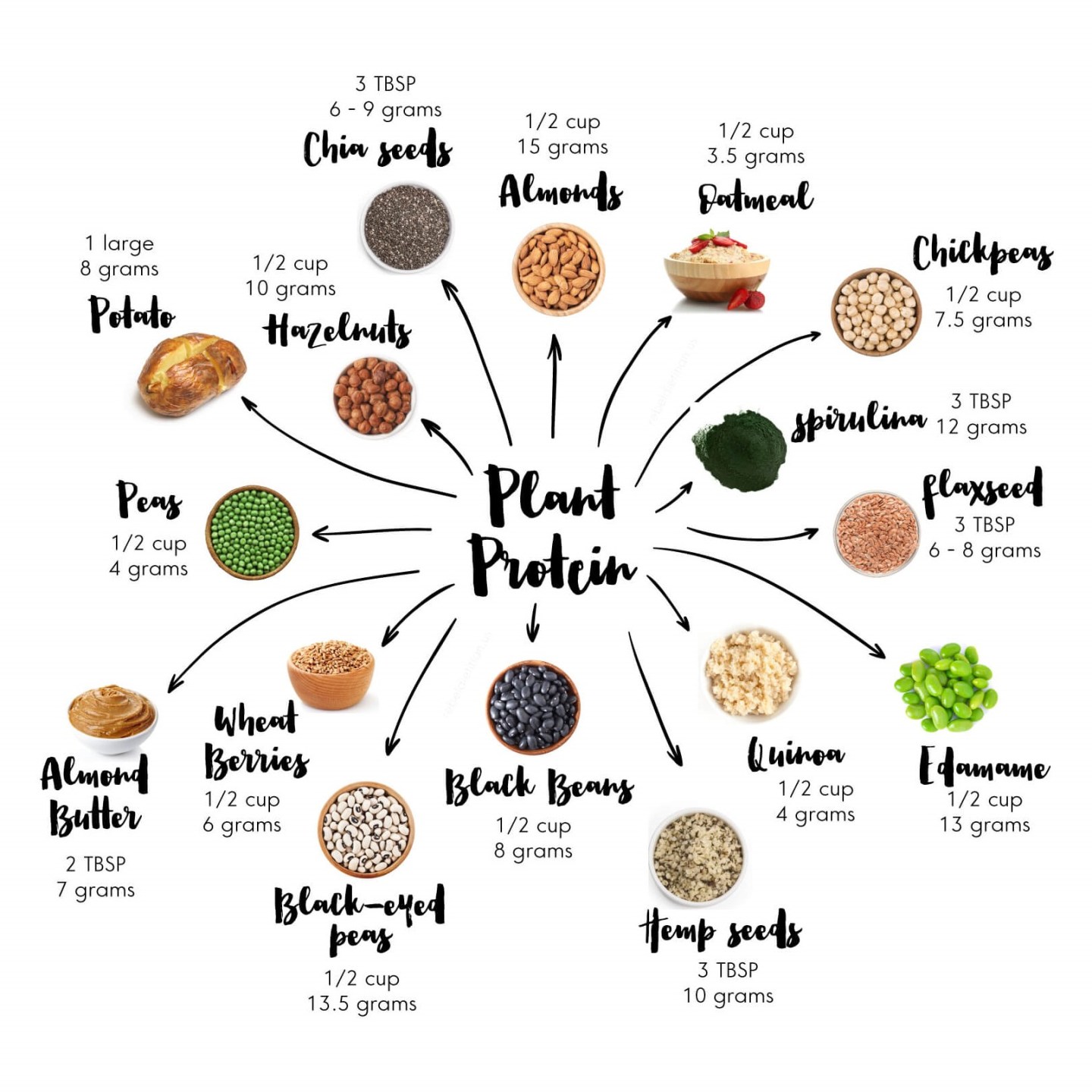
When it comes to protein sources, many people immediately think of staples like tofu and tempeh. However, there are plenty of lesser-known options available as well. For instance, quinoa is not only packed with protein but also contains all nine essential amino acids needed by the body. Other options include hemp seeds, chia seeds, spirulina (a type of algae), and nutritional yeast – all excellent sources of plant-based protein.
For those looking to replace dairy products in their diet or reduce their consumption due to lactose intolerance or ethical reasons, there are several viable alternatives available today. Plant-based milks such as almond milk, oat milk, soy milk, and coconut milk offer similar creamy textures without the drawbacks associated with dairy consumption. Furthermore,e companies now produce delicious cheese alternatives made from nuts or soy that can be used in various recipes.
Fermented foods have long been celebrated for their potential health benefits due to the presence of probiotics – live bacteria that support gut health when consumed regularly. While yogurt is often associated with probiotics traditionally derived from animal sources like cow’s milk or goat’s milk; plant-based options like coconut milk or almond milk yogurt are now widely available. Kombucha, sauerkraut, kimchi, and miso are other fermented foods that can be easily incorporated into a plant-based diet.
Plant-based diets have also gained popularity among athletes and sports enthusiasts as they provide the necessary nutrients for optimal performance. Contrary to the misconception that animal products are essential for building muscle, plant-based protein sources offer ample amounts of amino acids needed for muscle repair and growth. With proper planning and a focus on protein-rich foods like lentils, beans, quinoa, tofu, and seitan – athletes can thrive on a plant-based diet.
Beyond personal health benefits, choosing a plant-based lifestyle has positive environmental implications as well. The production of meat and dairy products contributes significantly to greenhouse gas emissions and deforestation. By reducing our consumption of animal products and opting for more sustainable alternatives such as fruits, vegetables, legumes,and whole grains; we can help mitigate climate change while supporting biodiversity.
When it comes to cooking techniques in the realm of plant-based eating, there is an abundance of delicious recipes from around the world to explore. From Indian curries with fragrant spices to Mexican tacos filled with beans or grilled veggies – there is no shortage of flavorsome dishes that cater to diverse taste preferences.
Speaking of flavorsome dishes brings us to spices and herbs which play a crucial role in enhancing plant-based meals. These aromatic ingredients not only add depth but also offer various health benefits due to their antioxidant properties. Turmeric’s anti-inflammatory effects or garlic’s immune-boosting qualities are just some examples highlighting how spices can elevate both flavor profiles and overall well-being in plant-based dishes.
While transitioning children or picky eaters towards a primarily plant-focused diet may seem challenging at first glance; it is entirely possible with patience and creativity. Offering a variety of colorful fruits and vegetables in appealing ways along with involving children in meal planning and preparation can make the process easier. Additionally, introducing plant-based alternatives to familiar dishes like pizza or burgers can also help in making the transition smoother.
The connection between diet and mental health is a growing area of interest. Emerging research suggests that a plant-based eating pattern, particularly one rich in fruits, vegetables, whole grains, nuts,and seeds; may have a positive impact on mental well-being. The nutrients found abundantly in plant foods – such as antioxidants and omega-3 fatty acids – are believed to support brain health and reduce inflammation which has been linked to depression and anxiety.
As summer approaches, many people look forward to firing up their grills for BBQs. Plant-based diets offer numerous options for delicious grilled meals that cater to everyone’s tastes. From marinated vegetable skewers to veggie burgers or grilled portobello mushroom caps – there are endless possibilities for creating flavorful plant-centric dishes that will impress even the staunchest meat-lover.
Food cravings are something we all experience from time to time. However, certain studies suggest that consuming more whole plant foods can help regulate these cravings by providing essential nutrients and fiber that promote satiety. By focusing on nutrient-dense meals centered around fruits, vegetables, legumes,and whole grains; individuals following a plant-based diet may find themselves less prone to reaching for unhealthy snacks or processed junk food.
Raw versus cooked debates have long been discussed when it comes to plant foods. While both raw and cooked plants offer nutritional benefits, some compounds become more bioavailable through cooking while others are better preserved in their raw form. For instance,certain vegetables like tomatoes release more lycopene (a powerful antioxidant) when heated while vitamin C content tends to decrease with heat exposure. A varied approach incorporating both raw and cooked plants ensures maximum nutrient intake.
Snacking often poses challenges when transitioning towards a healthier lifestyle as many traditional snack options tend to be highly processed or lack nutritional value. However, there are plenty of plant-based alternatives available that provide both taste and nutrition. Roasted chickpeas, kale chips, homemade energy balls or bars,and air-popped popcorn are just a few examples of nutritious snacks that can satisfy cravings while supporting a healthy eating plan.
The cooking method used for preparing plant-based meals can influence nutrient retention. Boiling vegetables may cause some water-soluble vitamins to leach out into the cooking water; however, steaming or stir-frying can help retain more nutrients. Similarly, baking grains instead of boiling them ensures minimal loss of valuable nutrients like fiber and B-vitamins.
Antioxidants are compounds found in plant foods that help protect our bodies against oxidative stress and inflammation; factors associated with chronic diseases such as heart disease and cancer. A diverse plant-based diet rich in fruits, vegetables, nuts,and seeds provides an abundance of antioxidants that contribute to overall health and well-being.
While most people are familiar with superfoods like blueberries or spinach – there is a whole world of lesser-known superfoods within the realm of plant-based eating waiting to be explored. Ingredients like maca root (known for its hormone-balancing properties), nutritional yeast (packed with B-vitamins), moringa powder (rich in antioxidants),or seaweed (high in iodine) offer unique nutritional profiles that can boost any plant-focused diet.
For busy individuals looking to incorporate more plants into their daily routine; meal planning is key. By setting aside time each week to plan meals, create shopping lists,and prepare ingredients ahead of time – it becomes easier to stick to a healthy eating plan even when life gets hectic. Batch cooking large quantities of soups,stews,or grain dishes also helps ensure delicious and nutritious meals throughout the week without spending excessive time in the kitchen.
Despite the growing popularity of plant-based diets, certain myths still persist surrounding this way of eating.The notion that one cannot obtain sufficient protein from plants has been debunked time and again, as have concerns about nutrient deficiencies. With proper planning and a diverse range of plant foods, it is entirely possible to meet all nutritional needs on a plant-based diet.
Incorporating more whole grains into a plant-based eating plan provides numerous health benefits. Whole grains like quinoa, brown rice, oats,and barley offer fiber that aids in digestion and promotes satiety. They also provide essential vitamins and minerals such as B-vitamins and iron that are often lacking in processed grain products.
In conclusion, the world of plant-based diets offers a wide array of benefits for both our personal health and the environment. From promoting good gut health to providing ample protein options beyond traditional sources; there is no shortage of possibilities when it comes to embracing this way of life. Whether you’re looking for dairy alternatives or exploring new cooking techniques from around the world – there is something for everyone in the realm of plant-based eating.
By incorporating more plants into our meals, we can not only nourish our bodies but also contribute to a sustainable future for generations to come. So why not start experimenting with some new recipes featuring lesser-known superfoods or incorporate more fermented foods into your diet? The possibilities are endless!

Leave a Reply