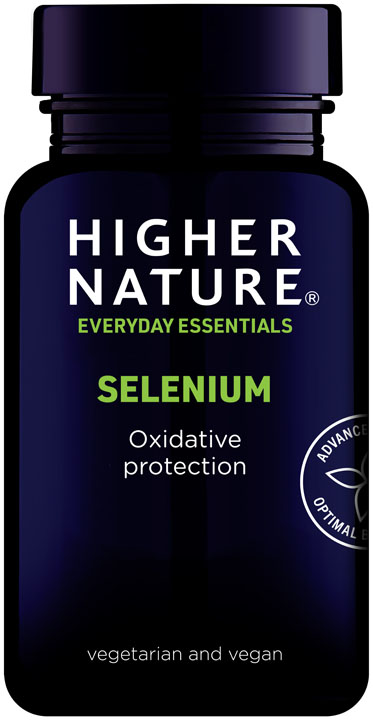
Selenium: The Mighty Antioxidant for a Healthy Body
In the world of nutrition and healthy eating, antioxidants have gained quite a reputation. These powerful substances are known to protect our bodies from harmful free radicals, which can lead to chronic diseases and premature aging. While there are numerous antioxidants out there, one that often goes unnoticed is selenium. This mighty mineral plays a crucial role in maintaining overall health and well-being.
So, what exactly is selenium? Well, it’s a trace element found in soil, water, and some foods. Although we only need it in small amounts (hence the term “trace” element), its impact on our health should not be underestimated.
One of the most important functions of selenium is its role as an antioxidant. It helps prevent oxidative stress by neutralizing harmful free radicals in our body. Oxidative stress occurs when there’s an imbalance between free radicals and antioxidants – too many free radicals can cause damage to cells and DNA.
But why exactly should we care about oxidative stress? Well, excessive oxidative stress has been linked to a wide range of health issues such as heart disease, cancer, Alzheimer’s disease, and even age-related macular degeneration (a leading cause of vision loss). By including selenium-rich foods in your diet or taking supplements if necessary, you can help combat this oxidative stress effectively.
Another benefit offered by selenium is its potential anti-inflammatory properties. Chronic inflammation has been associated with several diseases like arthritis, asthma, diabetes, and even certain types of cancer. Selenium aids in reducing inflammation by inhibiting the production of pro-inflammatory molecules within our body.
Furthermore, research suggests that selenium may also play a vital role in supporting our immune system function. A robust immune system is essential for fighting off infections and keeping us healthy overall. Studies have shown that adequate levels of selenium can enhance immune response by stimulating the production of antibodies and activating immune cells.
Additionally, studies have also explored the role of selenium in promoting thyroid health. The thyroid gland is responsible for producing hormones that regulate metabolism, growth, and development. Selenium helps convert these hormones into their active form, ensuring optimal thyroid function. Insufficient selenium levels have been associated with various thyroid disorders such as hypothyroidism or an underactive thyroid.
One interesting fact about selenium is its potential cancer-fighting properties. While research is still ongoing, some studies have found a correlation between higher selenium intake and a reduced risk of certain types of cancers such as lung, prostate, colorectal, and bladder cancer. However, it’s important to note that more research is needed to fully understand this relationship.
So now you might be wondering: where can I find this fantastic antioxidant? Luckily for us, selenium can be obtained from various dietary sources. Some excellent food choices include Brazil nuts (which are particularly rich in selenium), seafood (such as tuna and shrimp), lean meats like chicken and turkey, eggs, dairy products like milk and yogurt, whole grains like brown rice and oats, sunflower seeds, mushrooms – just to name a few!
While including these foods in your diet is generally sufficient to meet your daily selenium requirements (around 55 micrograms per day for adults), some people may require supplements if they have specific dietary restrictions or medical conditions that affect absorption or utilization of nutrients. It’s always best to consult with a healthcare professional before starting any supplementation regimen.
It’s worth noting that while selenium offers numerous benefits when consumed in appropriate amounts; excessive intake can lead to toxicity known as selenosis. Symptoms may include hair loss brittle nails gastrointestinal problems like nausea or diarrhea among others. This toxicity mainly occurs when individuals take high doses of selenium supplements without proper guidance.
In conclusion: Selenium truly deserves recognition as one mighty antioxidant! From its ability to combat oxidative stress and inflammation to supporting immune system function and potentially reducing the risk of certain cancers – it plays an essential role in maintaining our overall health and well-being. So, go ahead and incorporate selenium-rich foods into your diet, but remember to always strive for balance and moderation. Your body will thank you!

Leave a Reply