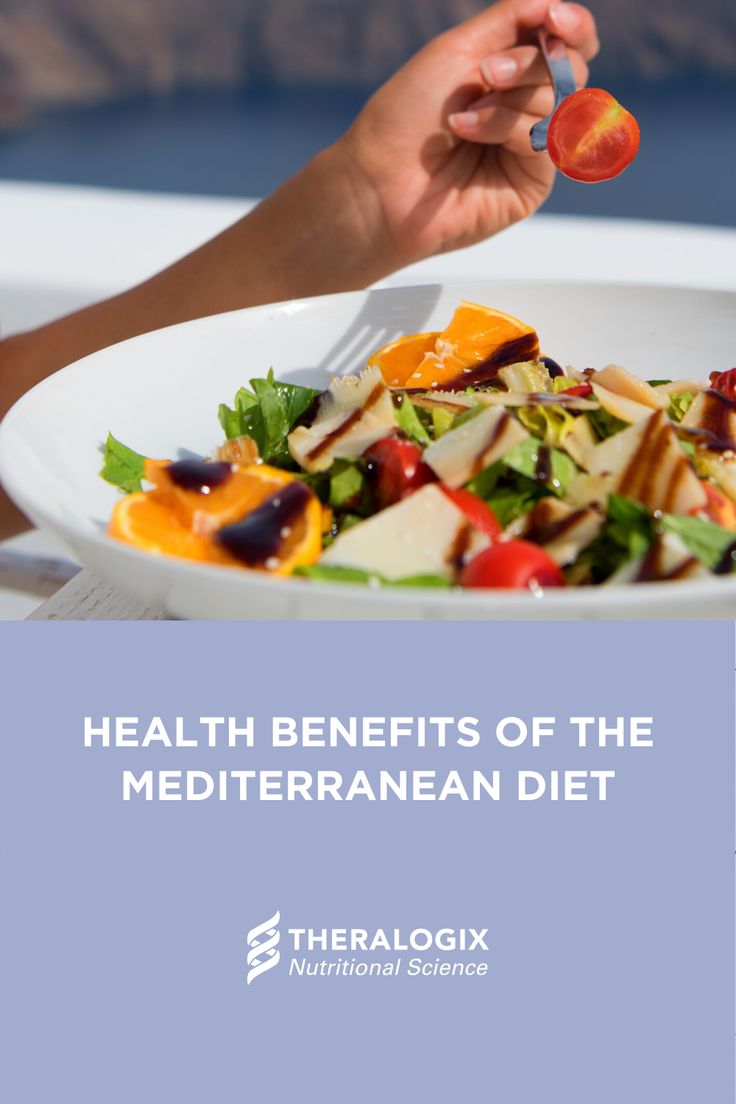
The Mediterranean diet has gained immense popularity in recent years for its numerous health benefits. This eating pattern is inspired by the traditional dietary habits of countries bordering the Mediterranean Sea, such as Italy, Greece, and Spain. It emphasizes whole foods like fruits, vegetables, whole grains, legumes, nuts, and olive oil while limiting processed foods and red meat. Here are eight proven benefits of following a Mediterranean diet.
1. Supports Heart Health
One of the primary reasons why the Mediterranean diet is so highly regarded is its ability to promote heart health. Numerous studies have shown that this eating pattern can significantly reduce the risk of heart disease and stroke. The high intake of fruits and vegetables provides an abundance of antioxidants that protect against oxidative stress and inflammation—two key factors contributing to cardiovascular problems.
Moreover, healthy fats play a crucial role in this diet. Olive oil—the primary source of fat—contains monounsaturated fatty acids (MUFAs), which are known for their positive impact on cholesterol levels. They help increase HDL (good) cholesterol while reducing LDL (bad) cholesterol levels.
2. Reduces Inflammation
Chronic inflammation lies at the root of various health issues like diabetes, obesity, cancer, and Alzheimer’s disease. However, research suggests that adhering to a Mediterranean diet can help combat chronic inflammation due to its rich antioxidant content from fruits and vegetables.
Additionally, omega-3 fatty acids found in fish such as salmon or sardines possess potent anti-inflammatory properties that further contribute to reducing inflammation within the body.
3. Aids Weight Loss
Obesity rates continue to rise worldwide with detrimental effects on overall health. The Mediterranean diet offers an effective approach for weight management without resorting to restrictive calorie counting or fad diets.
This way of eating focuses on nutrient-dense foods with low energy density such as vegetables and whole grains that keep you feeling full for longer periods without adding excessive calories to your daily intake. Additionally, the inclusion of healthy fats, like those found in nuts and olive oil, provides satiety and satisfaction.
4. Improves Cognitive Function
The Mediterranean diet not only benefits physical health but also supports brain function as we age. Several studies have linked this eating pattern to a reduced risk of cognitive decline and neurodegenerative diseases such as Alzheimer’s.
The abundance of antioxidants from fruits, vegetables, and olive oil helps protect brain cells from oxidative stress and inflammation. Furthermore, omega-3 fatty acids aid in maintaining proper brain structure and function. Including fish as a source of lean protein supplies these beneficial fats necessary for optimal cognitive health.
5. Lowers Type 2 Diabetes Risk
Type 2 diabetes has become a global epidemic that can lead to severe complications if left unmanaged. The Mediterranean diet has been shown to be effective in reducing the risk of developing type 2 diabetes or managing it for those already diagnosed.
The high fiber content from whole grains, legumes, fruits, and vegetables helps regulate blood sugar levels by slowing down digestion and preventing rapid spikes in glucose levels after meals. Additionally, the emphasis on healthy fats instead of saturated fats promotes better insulin sensitivity.
6. Promotes Longevity
Research consistently indicates that individuals following a Mediterranean diet have longer lifespans compared to those who don’t adhere to this eating pattern. The combination of nutrient-rich foods with anti-inflammatory properties contributes significantly to overall well-being.
Furthermore, certain components within the Mediterranean diet are associated with longevity-promoting effects—such as resveratrol found in red wine or lycopene abundant in tomatoes—which provide additional protective benefits against chronic diseases.
7. Supports Gut Health
Maintaining a healthy gut microbiome is essential for digestive health and overall well-being since it influences various aspects of our physiological functions – including immune system regulation, mood stabilization, weight management etc..
The Mediterranean diet encourages high fiber intake through its focus on whole grains, fruits, vegetables, and legumes. These fiber-rich foods act as prebiotics that promote the growth of beneficial gut bacteria. The consumption of fermented foods commonly found in this diet—such as yogurt or sauerkraut—also provides probiotics that further enhance gut health.
8. Enhances Mood and Mental Health
Lastly, it is worth noting that the Mediterranean diet not only benefits physical health but also has a positive impact on mental well-being. Several studies have shown an association between this eating pattern and reduced rates of depression and anxiety.
The abundance of antioxidants and omega-3 fatty acids contribute to improved brain function, which can positively affect mood regulation and reduce symptoms associated with mental health disorders. Additionally, the inclusion of whole foods rich in vitamins B6, B12, folate, magnesium, zinc—all essential for optimal brain function—further supports mental well-being.
In conclusion, adopting a Mediterranean diet offers a multitude of health benefits ranging from improved heart health to enhanced cognitive function. Its emphasis on whole foods rich in antioxidants, healthy fats like olive oil or fish high in omega-3s coupled with its anti-inflammatory effects make it an excellent choice for promoting overall wellness. By incorporating these dietary principles into our daily lives, we can enjoy delicious meals while simultaneously supporting our long-term health goals

Leave a Reply