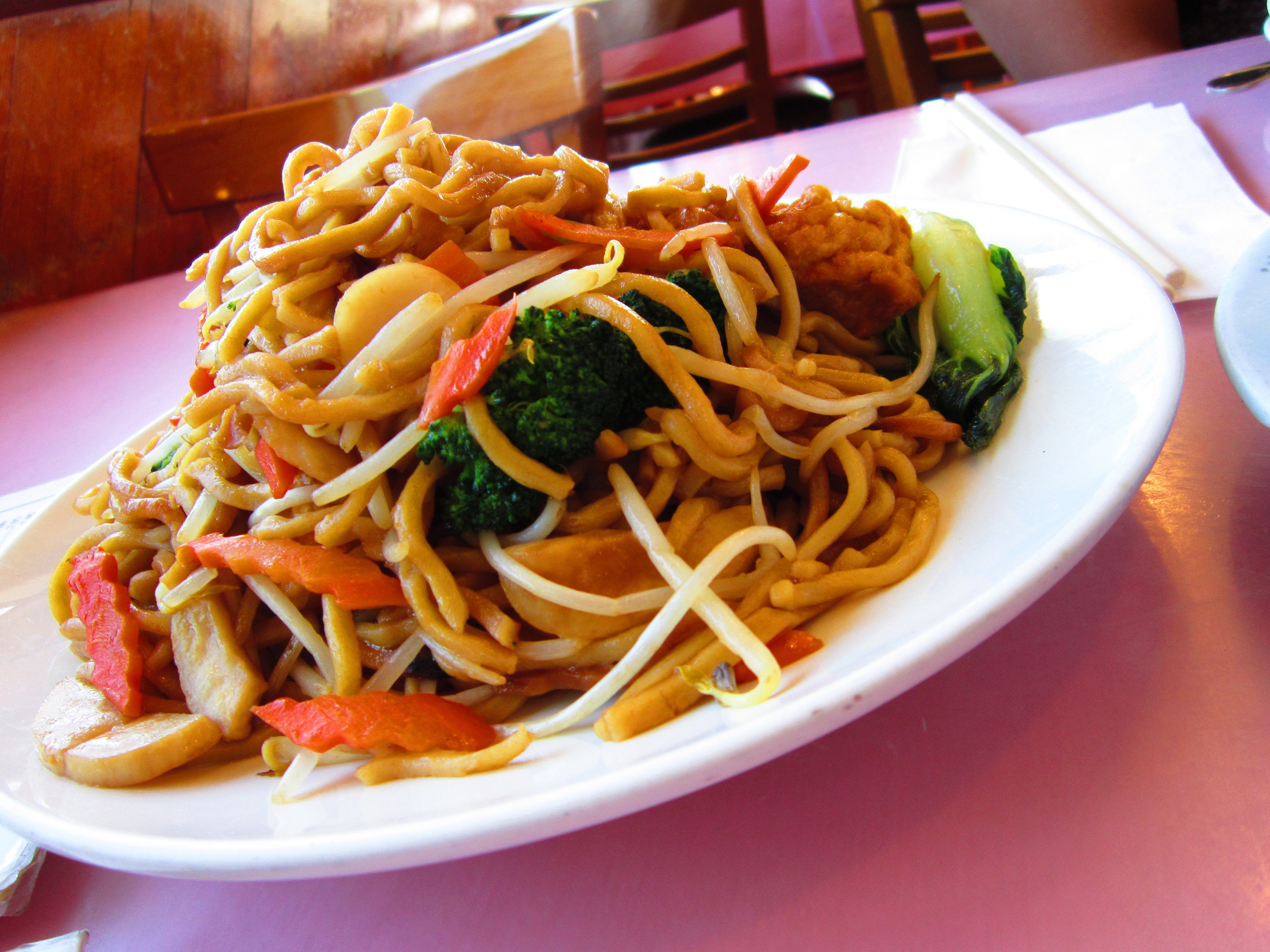
In today’s globalized world, Asian cuisine has gained immense popularity for its bold flavors, diverse ingredients, and healthful approach to cooking. From the aromatic spices of India to the delicate balance of flavors in Japanese sushi, Asian food offers a wide range of choices that cater to various dietary needs. In this compilation post, we will explore some popular Asian dishes that are not only delicious but also promote healthy eating habits.
1. Sushi: A Staple of Japanese Cuisine
Sushi is undoubtedly one of the most well-known and beloved Asian dishes worldwide. Made with vinegared rice combined with fresh seafood or vegetables, sushi provides a delightful mix of flavors and textures. The use of raw fish like salmon or tuna brings heart-healthy omega-3 fatty acids to the table while providing lean protein. Additionally, sushi often incorporates nutrient-rich seaweed (nori), which is an excellent source of iodine and minerals.
2. Bibimbap: A Korean Delight
Bibimbap translates to “mixed rice” in Korean and is a colorful bowl filled with steamed rice topped with various vegetables such as carrots, spinach, bean sprouts, mushrooms, and pickled radishes. It’s often served with marinated beef or tofu for added protein options. Not only does bibimbap offer a satisfying blend of flavors from sweet to savory but it also ensures you consume an array of vitamins and minerals from different veggies.
3. Pho: Vietnamese Noodle Soup
Pho is a traditional Vietnamese noodle soup made by simmering beef bones or chicken along with fragrant herbs and spices like star anise and cinnamon for several hours until a flavorful broth emerges. Served over flat rice noodles with thinly sliced beef or chicken, bean sprouts, lime wedges, basil leaves, cilantro sprigs on top; Pho embodies the perfect balance between taste sensations – sweet-salty-spicy-sour-bitter. This delightful dish is not only comforting but also rich in protein, fiber, and vitamins.
4. Tom Yum: A Spicy Thai Soup
Hailing from Thailand, Tom Yum is a hot and sour soup that combines the flavors of lemongrass, lime leaves, galangal (a ginger-like root), chili peppers, and fish sauce. The broth is typically filled with shrimp or chicken along with a variety of vegetables like mushrooms and tomatoes. With its robust combination of herbs and spices, Tom Yum is known for its anti-inflammatory properties as well as immune-boosting effects due to the presence of ingredients like lemongrass.
5. Biryani: An Indian Delicacy
Biryani is a fragrant rice dish that originates from the Indian subcontinent. It consists of basmati rice cooked with aromatic spices such as cumin, cardamom, cinnamon, cloves combined with meat (chicken or lamb) or vegetables like peas and potatoes. Apart from being incredibly flavorful, biryani offers an excellent source of carbohydrates while incorporating protein-rich meats or legumes for a balanced meal.
6. Mapo Tofu: A Sichuan Classic
Mapo Tofu is a spicy Chinese dish made with soft tofu cubes cooked in a fiery chili bean paste sauce along with minced pork or beef for added richness. This iconic Sichuan cuisine packs quite the punch in terms of flavor but can be adjusted according to your spice preference. Tofu provides plant-based protein while the chili bean paste contains capsaicin which has been associated with various health benefits including improved metabolism and pain relief.
7. Gado-Gado: Indonesian Salad Bowl
Gado-Gado is an Indonesian salad bowl consisting of blanched vegetables such as cabbage, green beans, boiled potatoes dressed in peanut sauce topped with crispy tofu or tempeh (fermented soybean cake). The peanut sauce serves as the star of this dish, providing a creamy texture and nutty flavor. Gado-Gado is rich in vegetables, plant-based protein, and healthy fats from peanuts.
8. Kimchi: Korean Fermented Delight
Kimchi is a traditional Korean side dish made by fermenting Napa cabbage or other vegetables with chili pepper paste, garlic, ginger, and salt for several days or weeks. This probiotic-rich food not only adds a tangy kick to meals but also promotes gut health due to its live cultures that aid digestion. It’s often consumed as a condiment or ingredient in various Korean dishes like kimchi fried rice (bokkeumbap).
9. Pad Thai: A Thai Street Food Favorite
Pad Thai is a stir-fried noodle dish that combines rice noodles with shrimp or tofu, bean sprouts, eggs, green onions, crushed peanuts topped with lime wedges for added zing. The flavorful sauce contains tamarind pulp which provides antioxidants and aids digestion due to its high fiber content. While enjoying this classic street food staple can be done occasionally since it tends to be higher in calories compared to other dishes on this list; opting for tofu instead of shrimp reduces the overall calorie load.
10. Miso Soup: Japanese Comfort Food
Miso soup is a traditional Japanese soup made from fermented soybean paste called miso combined with dashi (a type of fish stock), seaweed (kombu), tofu cubes along with scallions for garnish. This simple yet comforting soup offers numerous health benefits such as improved digestion due to probiotics from miso fermentation and essential minerals from seaweed.
Asian cuisine comes in many forms and flavors while offering an abundance of versatile ingredients that promote healthy eating habits. Incorporating these delicious dishes into your diet allows you to enjoy the unique tastes of Asia while reaping the nutritional benefits they have to offer. Whether you’re a fan of sushi, noodle soups, or spicy stir-fries, there’s something for everyone to enjoy in this vibrant and diverse cuisine.

Leave a Reply