Portion Control Strategies: Mastering the Art of Mindful Eating
Maintaining a healthy weight and achieving your fitness goals is not only about what you eat, but also how much you eat. Portion control plays a crucial role in managing calorie intake and can greatly contribute to overall health. By understanding portion sizes and adopting mindful eating habits, you can enjoy a balanced diet without feeling deprived or overwhelmed. In this article, we will explore effective portion control strategies that will help you achieve your desired results.
👉 Check it out: Shop Health Supplements on Amazon
1. Get to Know Your Portions:
👉 Check it out: Shop Fitness Tracker on Amazon
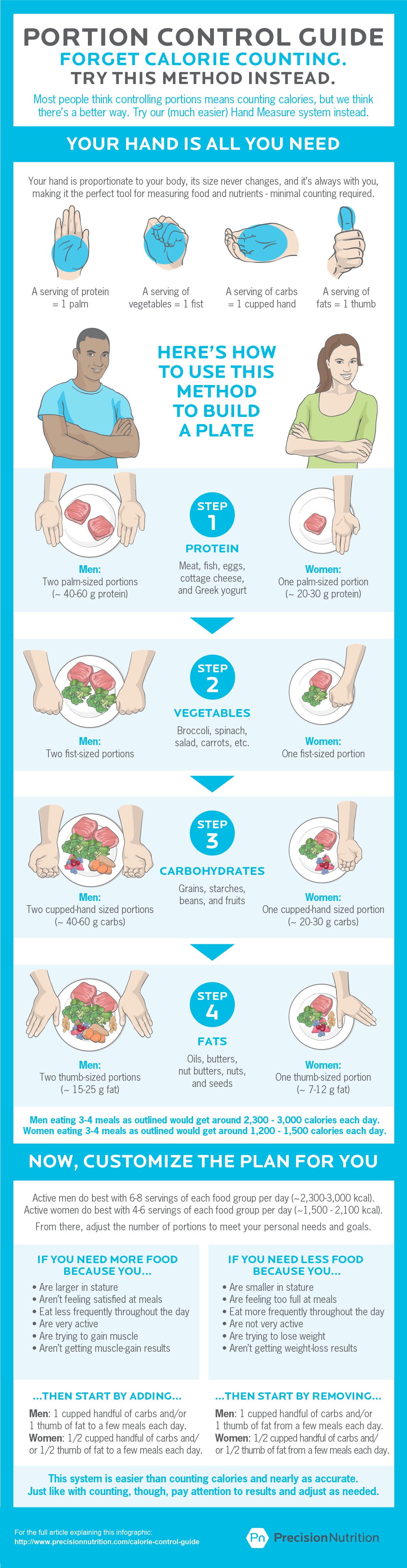
The first step towards portion control is understanding what constitutes a healthy serving size for different food groups. Here are some general guidelines to get you started:
– Protein: A serving of lean protein such as chicken breast or fish should be the size of your palm.
– Carbohydrates: One serving of carbohydrates like rice or pasta should fit into one cupped hand.
– Fruits and Vegetables: Aim for at least two cups of vegetables and one cup of fruits per meal.
– Fats: Limit fats to approximately one thumb-sized portion per meal.
2. Use Measuring Cups and Food Scales:
While eyeballing portions may work for some, using measuring cups and food scales provides more accurate measurements. This technique helps familiarize yourself with appropriate serving sizes until you can estimate them accurately on your own.
3. Plate Partitioning Technique:
Another effective strategy is dividing your plate visually into sections to guide proper portions. The “Plate Partitioning Technique” involves dedicating half of your plate to vegetables, one-quarter to lean protein, and the remaining quarter to whole grains or starchy vegetables.
4. Choose Smaller Plates and Bowls:
Research shows that using smaller plates tricks our minds into thinking we have consumed larger portions than we actually have. Swap out large dinner plates for smaller ones (around 9 inches in diameter) to reduce the temptation to overeat.
5. Slow Down and Savor Each Bite:
In our fast-paced lives, we often rush through meals without savoring the flavors. Slow down, chew each bite thoroughly, and enjoy the taste and textures of your food. By eating mindfully, you give your brain enough time to register satiety signals, helping prevent overeating.
6. Be Mindful of Liquid Calories:
It’s not just solid foods that contribute to calorie intake; beverages can also pack a punch when it comes to calories. Be mindful of sugary drinks like soda or sweetened coffee beverages as they provide empty calories without offering much nutritional value. Opt for water, unsweetened tea, or infused water with fresh fruits instead.
7. Pre-Portion Snacks:
Snacking can be a downfall for many individuals trying to control their portions. Instead of mindlessly eating from large bags or containers, pre-portion snacks into smaller servings in advance. This way, you are less likely to consume more than intended and can easily grab a controlled portion when hunger strikes.
8. Practice Intuitive Eating:
Intuitive eating is about listening to your body’s natural hunger cues and responding accordingly. It involves being in tune with your body’s needs rather than relying on external cues such as strict meal times or finishing everything on your plate.
9. Plan Meals in Advance:
Meal planning is an effective tool for portion control as it allows you to portion out meals ahead of time based on your dietary needs and goals. By preparing meals in advance, you are less likely to make impulsive choices that may lead to overeating or opting for unhealthy options.
10. Seek Support from Portion Control Tools:
There are various tools available that can assist in managing portion sizes effectively. For instance:
– Portion control plates: These plates have designated sections indicating appropriate serving sizes.
– Portion control containers: These containers come in different sizes, making it easy to measure out specific food groups.
– Smartphone apps: There are numerous apps available that help track your portion sizes and provide valuable feedback.
11. Be Aware of Emotional Eating:
Emotional eating can lead to overeating, regardless of portion control strategies. Recognize triggers for emotional eating and find alternative ways to cope with stress, boredom, or other emotions that may drive you towards unhealthy habits. Engaging in activities like exercise, journaling, or practicing mindfulness can help redirect your focus away from food.
12. Practice Moderation:
Lastly, remember that moderation is key when it comes to portion control. Depriving yourself completely may set you up for a binge later on. Allow yourself occasional treats in controlled portions to satisfy cravings while staying on track with your goals.
Incorporating these portion control strategies into your daily routine will not only support weight management but also promote a healthier relationship with food. Remember, it’s about balance and sustainability rather than restriction or deprivation. So start practicing mindful eating today and savor the benefits it brings to both body and mind!
🛒 Recommended Products
As an Amazon Associate, we earn from qualifying purchases.
Disclosure: This post contains Amazon affiliate links. As an Amazon Associate, we earn from qualifying purchases at no additional cost to you.

Leave a Reply