Regenerative Farming: A Path to Sustainable and Healthy Eating
In recent years, there has been a growing concern about the impact of conventional farming practices on our environment and our health. The extensive use of chemicals, monoculture crops, and soil degradation have led to decreased biodiversity, water pollution, and nutrient-poor food. However, an alternative approach called regenerative farming offers a glimmer of hope in addressing these pressing issues while also providing us with nutritious and sustainable food.
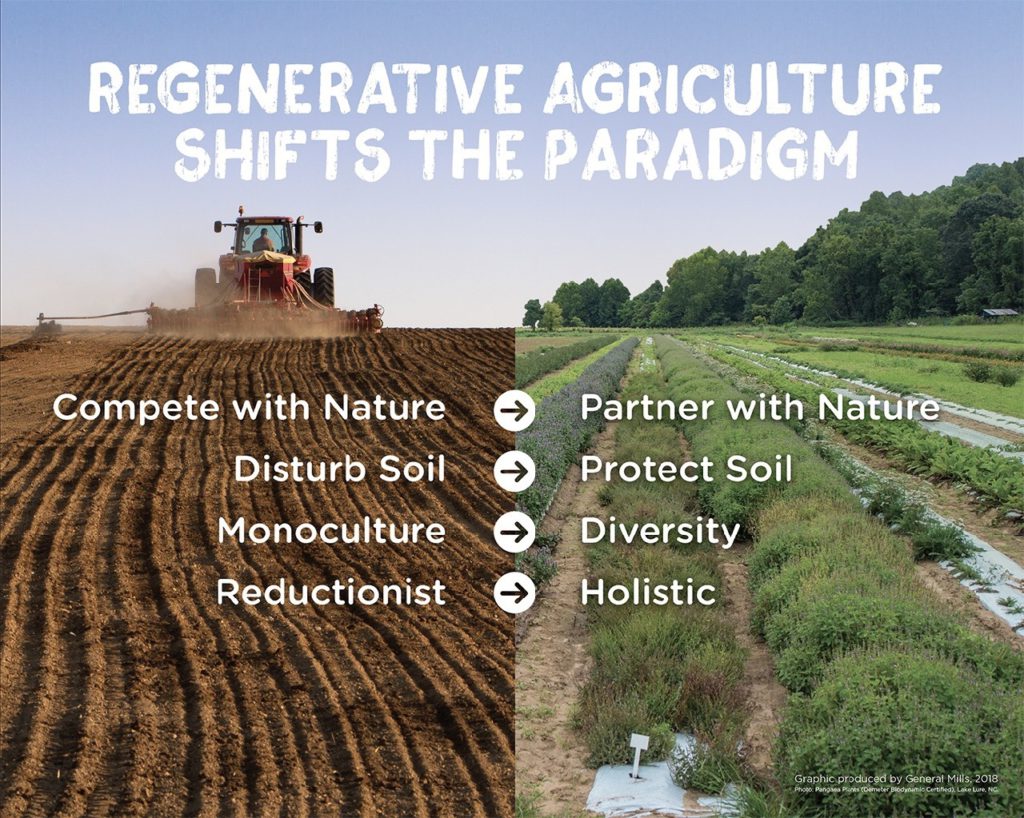
Regenerative farming is not just about growing crops; it is a holistic system that aims to restore the health of the land while prioritizing the well-being of both farmers and consumers. By utilizing regenerative practices such as cover cropping, crop rotation, minimal tillage, composting, agroforestry systems, and animal integration into farming operations – we can improve soil fertility and structure, increase water retention capacity, enhance biodiversity, minimize erosion risks, reduce greenhouse gas emissions – all while producing nutrient-dense foods.
One key aspect of regenerative farming is building healthy soils. Conventionally farmed soils are often depleted due to constant chemical inputs that kill beneficial bacteria and fungi essential for nutrient cycling. In contrast, regenerative farmers focus on nurturing soil life by adding organic matter through cover cropping and compost application. These practices help improve soil structure by enhancing its ability to hold water and nutrients effectively.
Cover cropping involves planting specific plant species during fallow periods or between cash crops. These plants protect the soil from erosion caused by wind or rain while also providing additional organic matter when they decompose after termination. The incorporation of diverse cover crops like legumes (such as clover or vetch) helps fix atmospheric nitrogen naturally into the soil – reducing reliance on synthetic fertilizers.
Crop rotation is another crucial element in regenerative agriculture whereby different crops are grown in sequential seasons on the same field over several years. This practice disrupts pest cycles since pests that prey on one crop may not survive or thrive in another. Additionally, different crops have varying nutrient requirements, which reduces the risk of nutrient depletion and increases overall soil fertility.
Minimal tillage is a practice that minimizes mechanical disturbance to the soil. Unlike conventional farming methods that often involve deep plowing, regenerative farmers use techniques like strip-till or no-till systems. These methods help prevent erosion, maintain soil structure, and promote biological activity by protecting beneficial organisms such as earthworms and mycorrhizal fungi.
Composting plays a vital role in regenerative farming as it allows farmers to recycle organic waste into a valuable resource for enhancing soil health. By composting food scraps, agricultural residues, and animal manure – nutrients are returned to the soil instead of being wasted or causing pollution. Compost improves soil structure while also providing essential micronutrients for plant growth.
Agroforestry systems integrate trees with crops or livestock on the same piece of land. This approach offers numerous benefits such as shade provision for animals or sensitive crops, windbreaks to reduce evaporation rates and protect against erosion, improved water infiltration capacity through deep-rooted trees, and enhanced biodiversity due to habitat creation.
Animal integration into farming operations is an integral part of regenerative agriculture as it mimics natural ecosystems’ dynamics. By allowing animals such as cows or chickens to graze on pastures between crop rotations – they provide natural fertilizer through their manure while simultaneously reducing unwanted weeds or pests naturally.
The transition from conventional farming practices to regenerative agriculture requires commitment but yields significant long-term benefits for both farmers and consumers alike. For farmers who adopt these practices, there can be reduced input costs (such as synthetic fertilizers), increased resilience against extreme weather events (due to improved water retention), diversified income streams (through integrated agroforestry systems), and improved quality of life by working in harmony with nature.
As consumers committed to healthy eating, choosing regeneratively farmed products supports sustainable land management practices. Regenerative farming produces food that is not only nutrient-dense but also free from harmful chemical residues. Additionally, by supporting local farmers who adopt these methods, we contribute to the conservation of biodiversity and the protection of precious water resources.
In conclusion, regenerative farming offers a promising pathway towards sustainable and healthy eating. By prioritizing soil health through practices such as cover cropping, crop rotation, minimal tillage, composting, agroforestry systems, and animal integration – farmers can restore ecosystem functionality while providing us with nutritious food. As consumers, we play a crucial role in driving demand for regeneratively farmed products and supporting the transition to a more sustainable agricultural system. Together, we can create a future where our plates are filled with wholesome food grown in harmony with nature.

Leave a Reply