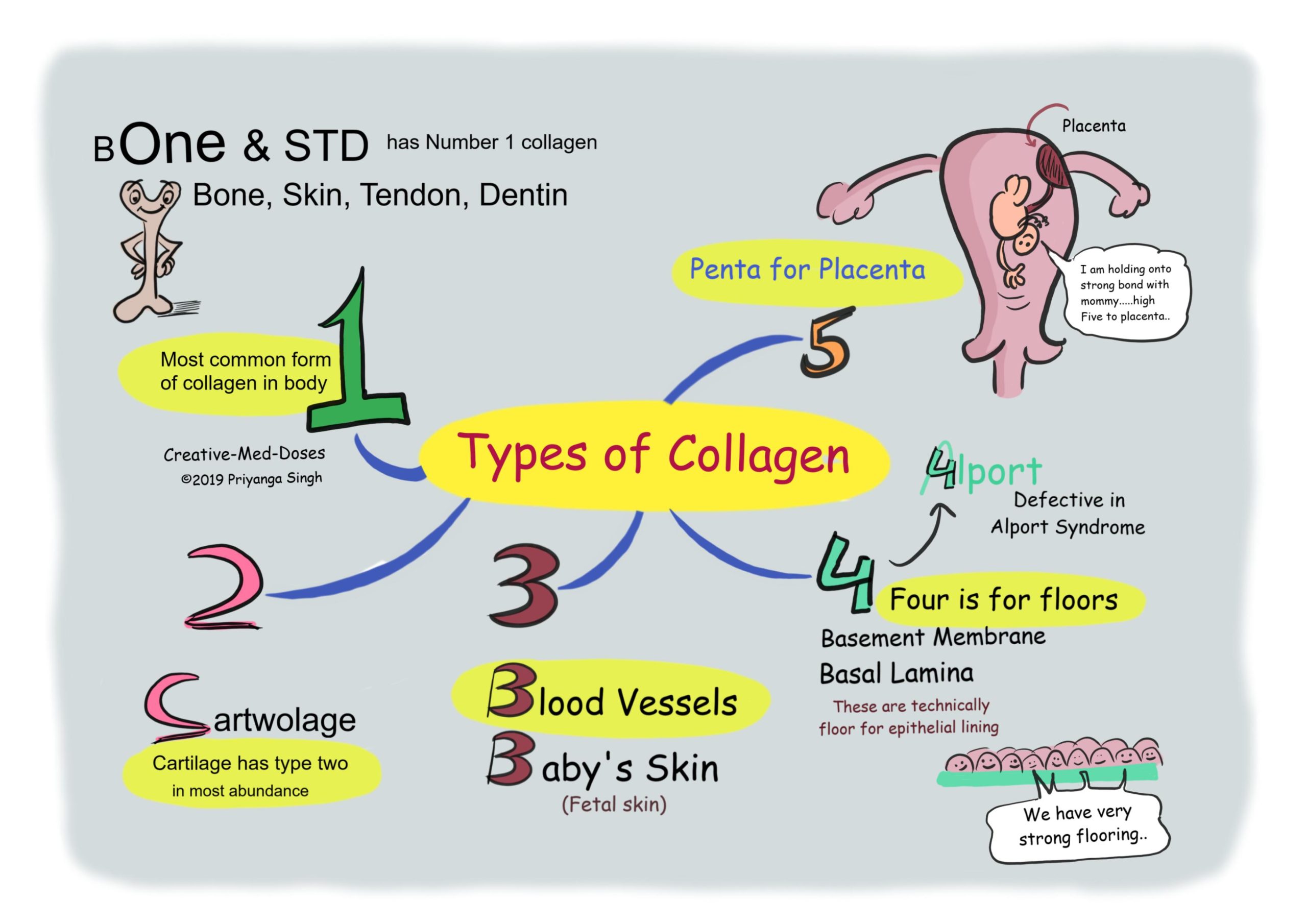
Collagen is a protein that plays a vital role in maintaining the health and integrity of our skin, bones, joints, and connective tissues. It serves as the building blocks for these structures, providing strength, elasticity, and support. While collagen is naturally produced by our bodies, its production gradually declines as we age. This decline can lead to various signs of aging such as wrinkles, joint pain, and weak bones.
Fortunately, there are different types of collagen available that can be incorporated into our diet or taken as supplements to help replenish the levels in our body. In this article, we will explore the various types of collagen and their benefits.
1. Type I Collagen:
Type I collagen is the most abundant form found in the human body. It constitutes about 90% of our total collagen content and provides structure to our skin, bones, tendons, ligaments, organs like the liver and kidneys. It also contributes to healthy hair growth.
This type of collagen helps improve skin elasticity by promoting cell regeneration and reducing fine lines and wrinkles. It also strengthens bones by enhancing bone mineral density and preventing conditions like osteoporosis.
2. Type II Collagen:
Type II collagen primarily exists in cartilage tissue which covers the ends of bones where they meet at joints. It acts as a cushioning material to absorb shock between bones during movement.
Supplementing with type II collagen can benefit individuals with joint problems such as arthritis or athletes who experience wear-and-tear on their joints due to intense training regimens.
3. Type III Collagen:
Type III collagen is often found alongside type I collagen in tissues like muscles and blood vessels. It supports healthy muscle function by aiding muscle contraction and repair after exercise or injury.
It also plays an essential role in wound healing since it helps form new blood vessels (angiogenesis) necessary for tissue repair.
4. Type IV Collagen:
Type IV collagen is present mainly in the basement membrane, which is a thin layer that separates different tissues and organs. It provides structural support to various organs like the kidneys, lungs, and eyes.
Additionally, type IV collagen contributes to maintaining healthy kidney function by filtering waste products from the blood and preventing their reabsorption.
5. Type V Collagen:
Type V collagen is found in various tissues throughout the body, including the skin, hair follicles, and placenta during pregnancy. It supports healthy skin by promoting cell turnover and wound healing.
Research suggests that type V collagen may also play a role in maintaining gut health as it forms part of the intestinal wall structure.
6. Marine Collagen:
Marine collagen is sourced from fish or other marine animals like shellfish. It is rich in type I collagen along with essential amino acids such as glycine and proline.
Due to its smaller particle size compared to bovine or porcine collagen, marine collagen is believed to be more easily absorbed by our bodies. This makes it an excellent option for those looking to improve skin elasticity or joint health while avoiding animal-derived sources.
7. Bovine Collagen:
Bovine collagen comes from cows and contains predominantly type I and III collagens. It offers similar benefits as marine collagen but may be more suitable for individuals who follow a vegetarian diet or cannot consume seafood due to allergies or dietary restrictions.
Bovine collagen supplements are often available in powder form, making them easy to incorporate into smoothies, drinks, or recipes without altering taste significantly.
8. Porcine Collagen:
Porcine (pig) collagen shares similarities with bovine collagens since both contain types I and III collagens abundant in connective tissues such as tendons, ligaments, and skin.
Like bovine options, porcine-based supplements are available as powders or capsules for convenient use while offering similar benefits related to improving joint health and enhancing skin elasticity.
9. Chicken Collagen:
Chicken collagen, primarily sourced from the cartilage and bones of chickens, contains type II collagen along with other beneficial nutrients like glucosamine and chondroitin sulfate.
Supplementing with chicken collagen may help support joint health and reduce pain associated with conditions such as osteoarthritis.
While collagen supplementation can be beneficial for maintaining healthy skin, joints, and other tissues, it’s important to note that individual results may vary. It is always advisable to consult a healthcare professional before starting any new dietary supplement regimen or if you have specific health concerns.
In conclusion, different types of collagen offer various benefits for our bodies. Whether you choose marine, bovine, porcine or chicken-derived collagens depends on personal preference, dietary restrictions, and desired outcomes. Incorporating collagen into your diet or taking supplements can potentially improve skin elasticity, promote joint health, support muscle function and aid in wound healing. Remember that consistency is key when incorporating any new supplement into your routine for maximum effectiveness.

Leave a Reply