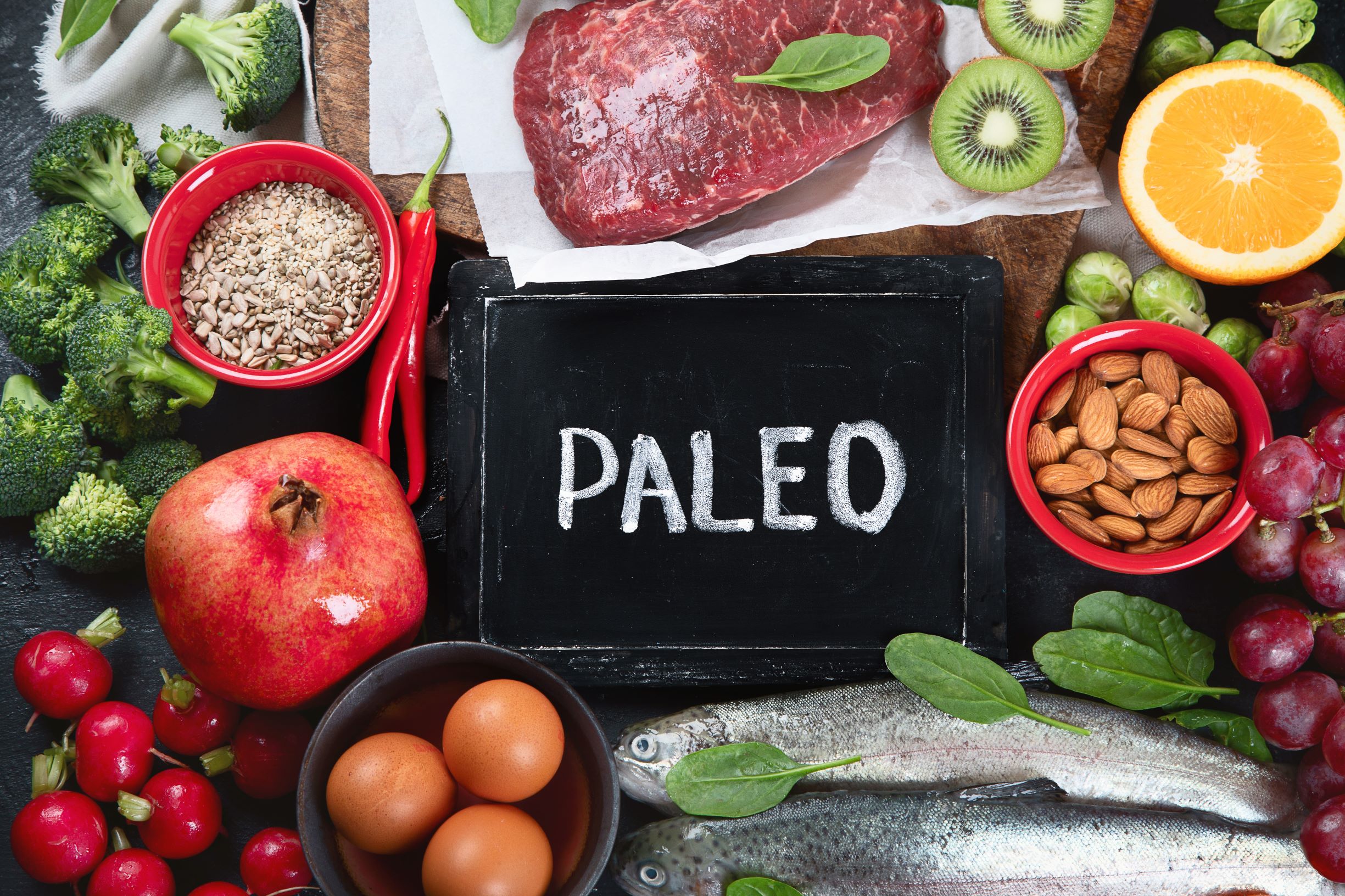
The Paleo diet has gained significant popularity in recent years due to its emphasis on consuming whole, unprocessed foods that mimic the diet of our Paleolithic ancestors. While the primary focus is on meat, vegetables, and fruits, there are several other food groups that can be incorporated into a Paleo lifestyle. In this article, we will explore some lesser-known aspects of the Paleo diet and how they can contribute to a well-rounded and nutritious eating plan.
One such aspect is fermented foods. Fermentation is a process that involves the breakdown of carbohydrates by bacteria or yeast, resulting in the production of beneficial compounds like probiotics and enzymes. These foods not only improve digestion but also enhance nutrient absorption. Some popular fermented options include sauerkraut, kimchi, kefir, and kombucha. Adding these to your Paleo meals can provide an extra boost of gut-healthy bacteria and promote overall digestive health.
Another often overlooked component of the Paleo diet is organ meats. Organ meats are incredibly nutrient-dense and contain high amounts of vitamins A, D, E, K2 as well as essential minerals like iron and zinc. Incorporating organ meats such as liver, heart, kidney into your meals provides a wide range of nutrients that may be lacking in more conventional muscle meats. They can be cooked in various ways or even blended into ground meat dishes for added nutritional value.
Seaweed is another unconventional food source that fits well within a Paleo framework. Rich in minerals like iodine, calcium, magnesium along with antioxidants like fucoxanthin; seaweeds offer numerous health benefits including thyroid support and improved cardiovascular health. Adding seaweed to soups or salads can introduce unique flavors while providing an abundance of essential nutrients.
Nuts and seeds have long been debated within the Paleo community due to their potential phytic acid content which may hinder mineral absorption when consumed excessively. However many adherents still consume them in moderation for their healthy fats (like omega-3 fatty acids) and other beneficial compounds like fiber, vitamins, and minerals. Soaking or sprouting nuts and seeds before consumption can help reduce the phytic acid content and maximize nutrient availability.
When it comes to sweeteners, the Paleo diet encourages limiting or avoiding refined sugars altogether. However, there are several alternative sweeteners that can be used sparingly in moderation. Options such as raw honey, maple syrup, coconut sugar, and stevia are considered more natural alternatives with lower glycemic index values compared to refined sugar.
Nightshade vegetables like tomatoes, peppers, eggplants may not be suitable for everyone due to their potential inflammatory properties. While some individuals tolerate them well without any adverse effects; others may find that eliminating nightshades from their diet helps alleviate symptoms of autoimmune conditions or chronic inflammation. Experimenting with your own tolerance levels is key when deciding whether to include nightshade vegetables in your Paleo meals.
Coffee is a subject of debate within the Paleo community. While some argue that coffee has potential health benefits like improved cognitive function and increased metabolic rate; others point out its potential negative effects on sleep quality and adrenal health due to caffeine content. Ultimately it depends on individual tolerances and sensitivities. If you choose to consume coffee on a Paleo diet make sure it’s organic and consumed in moderation.
Dairy products are generally excluded from the strict Paleolithic approach due to lactose intolerance issues among many adults worldwide along with concerns about potentially harmful proteins (like casein). However some individuals may tolerate certain dairy products like grass-fed butter or ghee which have minimal lactose content but contain beneficial nutrients like conjugated linoleic acid (CLA).
Balancing macronutrients is an important aspect of any dietary regimen including Paleo diets. While a typical Paleolithic approach emphasizes protein intake from animal sources along with healthy fats from avocados, olive oil etc.; adequate carbohydrate intake should also be prioritized especially for active individuals. Including starchy vegetables like sweet potatoes or fruits can help meet your energy requirements.
Intermittent fasting (IF) is a popular eating pattern that involves alternating periods of fasting and eating, and it can be effectively incorporated into a Paleo framework. IF has been shown to have numerous health benefits including improved insulin sensitivity, weight management, and increased autophagy (cellular repair). However, it’s important to consult with a healthcare professional before starting any fasting regimen to ensure it aligns with your specific needs and goals.
Legumes are often excluded from strict Paleolithic diets due to their phytic acid content which may impair nutrient absorption. However some modified approaches allow certain legumes like lentils or chickpeas in moderate quantities if they are soaked or sprouted beforehand. This process helps reduce the phytic acid content making them more digestible while still providing plant-based protein sources.
Alcohol consumption is another topic that generates mixed opinions within the Paleo community. While many adherents choose to avoid alcohol altogether due to its potential negative effects on health; others opt for occasional indulgence in small amounts of red wine or spirits that are free from added sugars and artificial additives. Moderation and individual tolerance levels should always be considered when deciding whether alcohol fits into your Paleo lifestyle.
Navigating social situations while adhering to the Paleo diet can sometimes be challenging but with proper planning you can maintain your dietary principles without feeling left out. Communicating your dietary restrictions ahead of time, bringing your own dishes or snacks, focusing on protein and vegetable options at gatherings can help you stay true to your principles while still enjoying social events.
High-fat diets have gained popularity within the context of low-carbohydrate diets like Paleo as they promote satiety, stabilize blood sugar levels, and aid in weight loss efforts for some individuals. However long-term adherence should be done carefully under medical supervision especially for those with pre-existing conditions such as liver or gallbladder issues. It’s important to prioritize the quality of fats by choosing sources like avocados, nuts, seeds, and healthy oils.
Protein is a crucial macronutrient in any diet and can be sourced from various animal and plant-based options within a Paleo framework. While meats like beef, poultry, and fish are typical protein sources; lesser-known options such as bison, ostrich meat or even insects (like crickets) are gaining popularity for their high protein content along with other beneficial nutrients.
The Autoimmune Protocol (AIP) is an elimination diet that removes potential trigger foods to reduce inflammation for individuals with autoimmune conditions. This protocol can be adapted within a Paleo framework by excluding common allergens like grains, dairy, eggs while emphasizing nutrient-dense foods like organ meats, bone broth etc. Always consult with a healthcare professional before starting AIP or any major dietary changes especially if you have specific health concerns.
Long-term adherence to the strict Paleolithic approach may have both positive and negative effects on overall health. While eliminating processed foods and focusing on whole foods can lead to weight loss, improved blood sugar control; it’s also important to consider potential nutrient deficiencies over time due to the exclusion of certain food groups like dairy or grains. Regular monitoring of nutrient levels through blood tests along with supplementation when necessary should be considered.
Common nutrient deficiencies associated with the Paleo diet include calcium (due to limited dairy intake), vitamin D (due to reduced sun exposure), omega-3 fatty acids (if fish consumption is low), iodine (if sea vegetables aren’t consumed), and fiber (if vegetable intake is inadequate). These deficiencies can be addressed by incorporating appropriate food sources or considering targeted supplementation under medical supervision.
Cooking methods play a significant role in preserving the nutrient content of Paleolithic meals. Gentle cooking techniques such as steaming or sautéing help retain more vitamins and minerals compared to boiling which can leach nutrients into the cooking water. Using low-temperature methods like sous vide or slow cooking also helps preserve the integrity of delicate nutrients.
Exploring variations of the traditional Paleolithic approach is essential to cater to different dietary needs and preferences. Some popular variations include Primal (which allows high-quality dairy products), Keto-Paleo (emphasizing very low carbohydrate intake), and Whole30 (a 30-day reset program that eliminates potential trigger foods). These variations offer flexibility while still adhering to the core principles of a Paleo lifestyle.
In conclusion, the Paleo diet offers a wide range of options beyond just meat and vegetables. Incorporating fermented foods, organ meats, seaweed, nuts and seeds, alternative sweeteners, nightshade vegetables in moderation; exploring intermittent fasting or modified approaches including legumes can provide additional variety while still aligning with the core principles of a Paleo lifestyle. However individual preferences, tolerances, and specific health concerns should always be considered when making food choices within this framework.

Leave a Reply