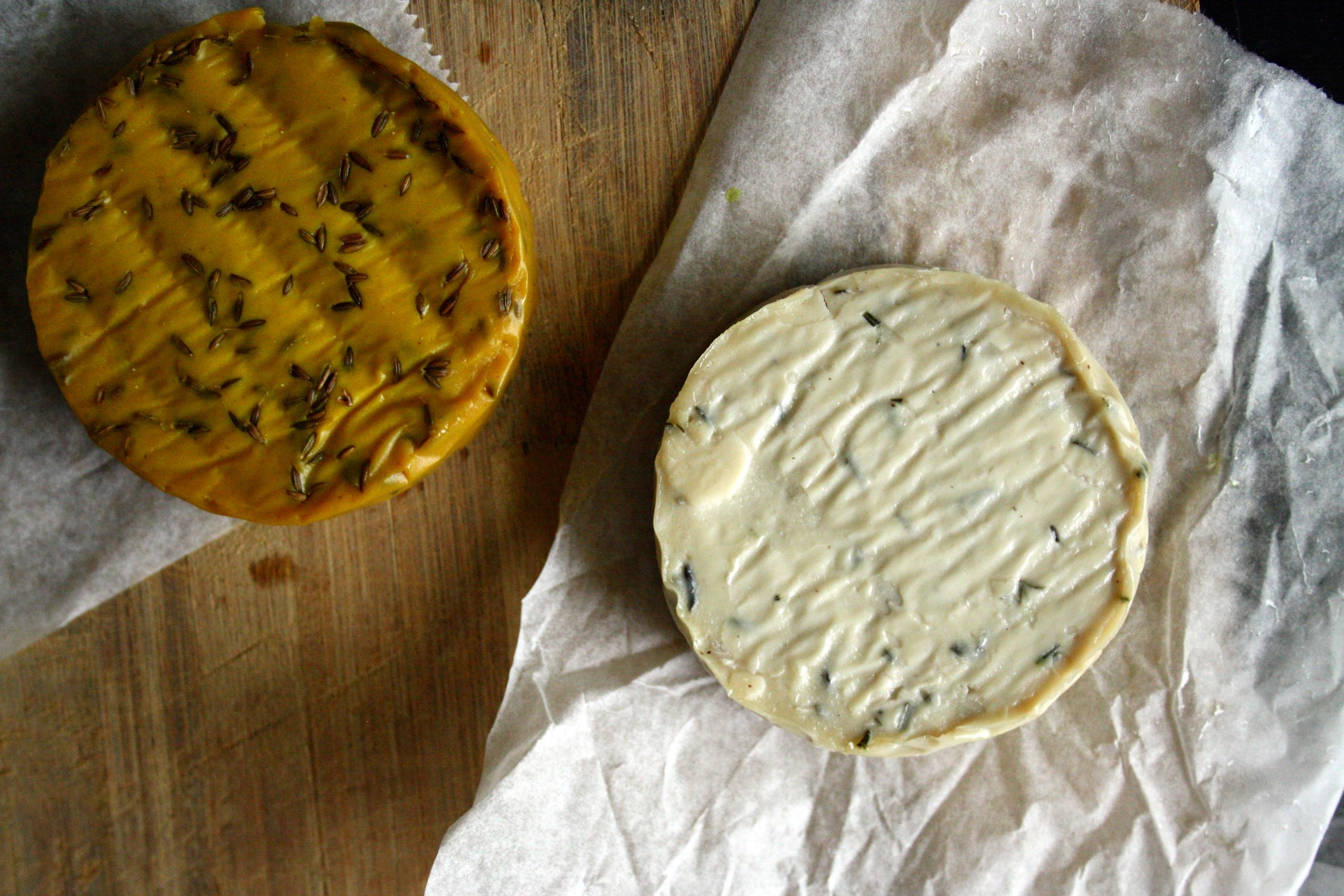
In recent years, the demand for vegan alternatives has skyrocketed as more people embrace a plant-based lifestyle. One area where this shift is particularly noticeable is in the realm of cheese substitutes. While there are numerous store-bought options available, homemade vegan cheese alternatives using nutritional yeast have gained popularity due to their financial advantages.
Nutritional yeast, often referred to as “nooch,” is a deactivated strain of Saccharomyces cerevisiae that boasts a rich cheesy flavor. It is packed with essential vitamins and minerals, including B-complex vitamins and zinc, making it an excellent addition to any vegan diet.
One of the primary financial advantages of making your own vegan cheese alternative using nutritional yeast is cost-effectiveness. Store-bought vegan cheeses can be quite expensive, especially if you consume them regularly. By opting for homemade versions, you can significantly reduce your monthly grocery bill while still enjoying delicious cheesy flavors.
To make a basic nutritional yeast-based cheese sauce at home, all you need are a few simple ingredients: nutritional yeast flakes or powder, plant-based milk (such as almond or soy milk), flour (all-purpose or gluten-free), garlic powder, onion powder, salt, and optionally some spices like paprika or turmeric for added color and flavor.
By purchasing these ingredients in bulk or during sales promotions at your local grocery store, you can save even more money in the long run. Additionally, once you have stocked up on these staple items in your pantry, it becomes much easier to whip up homemade cheese sauces whenever the craving strikes without breaking the bank.
Another financial advantage lies in versatility. With homemade vegan cheese alternatives using nutritional yeast as a base ingredient, you have complete control over the flavor profile and texture of your creations. You can experiment with different herbs and spices to tailor each batch according to your preferences.
Moreover, by adjusting ratios and adding various thickening agents like agar-agar or tapioca starch if desired – which are also relatively inexpensive – you can create cheeses with varying consistencies, such as slices for sandwiches, spreads for crackers, or even meltable options for pizzas and quesadillas.
The ability to customize your vegan cheese alternatives not only enhances the taste but also allows you to mimic beloved dairy-based cheeses. Whether it’s a tangy cheddar-like flavor or a creamy mozzarella substitute you’re after, nutritional yeast provides the perfect base from which to build upon.
Furthermore, homemade vegan cheese alternatives using nutritional yeast offer the added benefit of being preservative-free. Many store-bought vegan cheeses contain additives and stabilizers that prolong their shelf life but may not necessarily align with your dietary preferences or health goals. By making your own versions, you have full control over the ingredients used and can ensure they are free from any unwanted additives.
As an additional financial advantage, creating homemade vegan cheese alternatives is an excellent way to reduce food waste. Leftover vegetables or scraps that might otherwise end up in the compost bin can be used to enhance flavors and colors in your creations. Carrots can lend a vibrant orange hue while sun-dried tomatoes add depth and richness.
Moreover, by making larger batches of homemade vegan cheese alternatives using nutritional yeast at once, you can easily portion them out and freeze them for later use. This approach saves both time and money as you won’t need to invest in store-bought options when cravings strike unexpectedly.
In conclusion, opting for homemade vegan cheese alternatives using nutritional yeast offers numerous financial advantages. From cost-effectiveness through buying ingredients in bulk to versatility in customizing flavors and textures tailored to personal preferences – these benefits make this preparation method an attractive option within a plant-based lifestyle. Additionally, avoiding preservatives found in many store-bought brands ensures healthier choices aligned with specific dietary needs. Lastly, reducing food waste by utilizing leftover vegetables further promotes economic sustainability while adding unique flavors to each batch of homemade vegan cheese alternative. So, why not give it a try and embark on a cheesy adventure that is both delicious and budget-friendly?

Leave a Reply