Prebiotic Fibers in Fruits and Vegetables: Promoting a Healthy Gut
When it comes to maintaining good health, we often hear about the importance of consuming a balanced diet rich in fruits and vegetables. These plant-based foods provide essential vitamins, minerals, and fiber that our bodies need to function optimally. In recent years, there has been increasing interest in the role of prebiotic fibers found in fruits and vegetables and their impact on gut health.
What are Prebiotics?
Prebiotics are non-digestible fibers that pass through our digestive system without being broken down by enzymes or absorbed by our bodies. Instead, they reach the colon largely intact where they serve as food for beneficial bacteria known as probiotics. Prebiotics essentially act as fertilizers for these friendly gut bacteria, promoting their growth and activity.
Why Are They Important?
Having a healthy gut microbiome is crucial for overall well-being. The trillions of microbes residing in our digestive tract play integral roles in digestion, metabolism, immune function, and even mental health. A thriving microbial community helps maintain a balanced immune response while protecting against harmful pathogens.
Research suggests that prebiotic fibers may offer numerous benefits for gut health:
1. Increased Probiotic Activity: By nourishing beneficial bacteria like Bifidobacteria and Lactobacilli species, prebiotics can enhance their population size and activity levels within the gut.
2. Improved Digestion: Prebiotics may aid digestion by enhancing the breakdown of certain nutrients such as dietary fiber itself or complex carbohydrates that are otherwise difficult to digest.
3. Enhanced Nutrient Absorption: Some studies suggest that prebiotics can increase the absorption of essential minerals like calcium and magnesium from food.
4. Reduced Risk of Chronic Diseases: A healthy gut microbiome has been linked to a lower risk of conditions such as obesity, type 2 diabetes, cardiovascular disease, inflammatory bowel diseases, and certain types of cancer. Prebiotic fibers may contribute to this protective effect by promoting a diverse and balanced gut microbiota.
Fruits Rich in Prebiotic Fibers
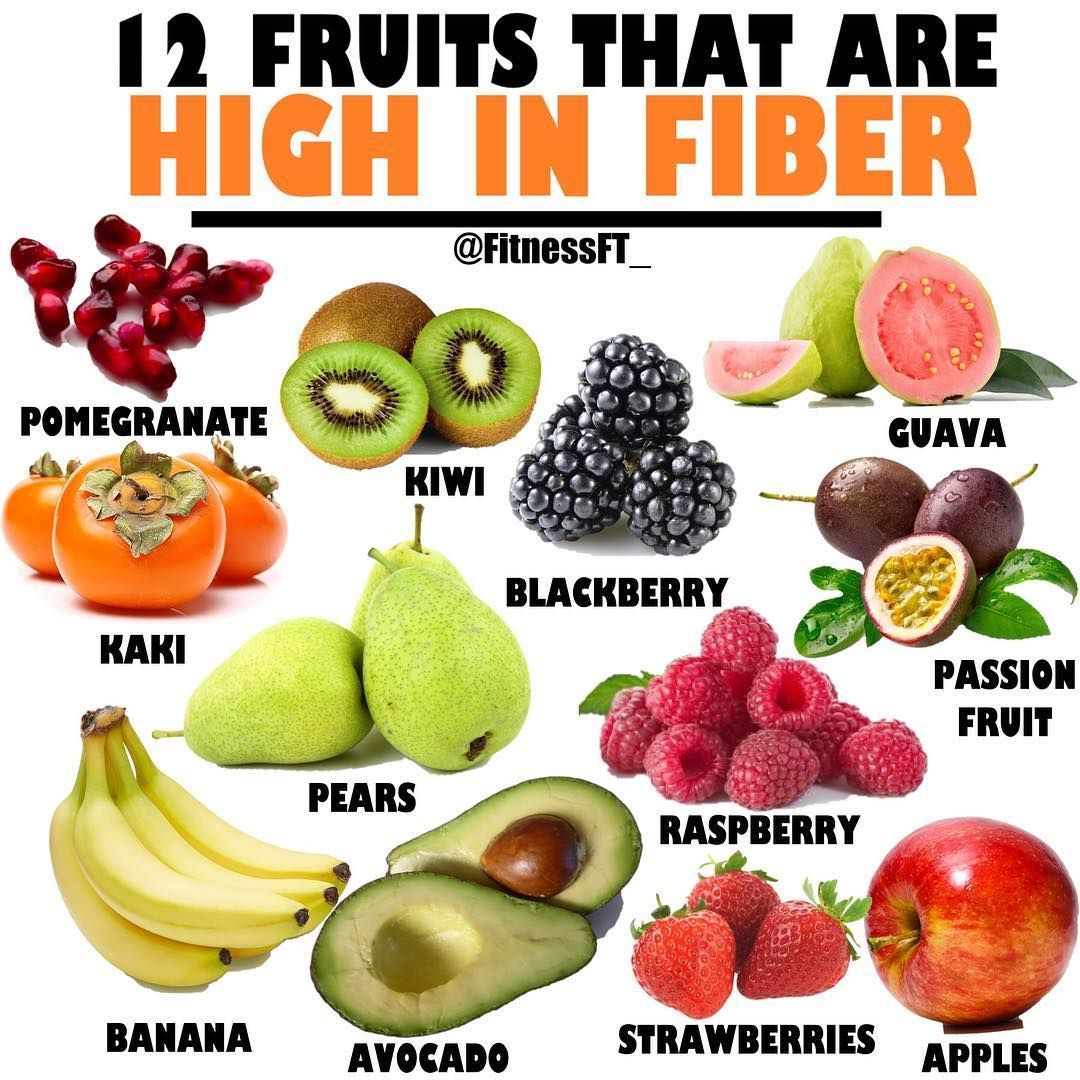
1. Bananas: Known for their high potassium content, bananas are also an excellent source of prebiotics. The specific type of prebiotic fiber found in bananas is called fructo-oligosaccharides (FOS), which helps fuel the growth of beneficial bacteria.
2. Apples: Pectin, a type of soluble fiber found abundantly in apples, acts as a prebiotic by stimulating the growth of probiotic bacteria like Lactobacilli and Bifidobacteria.
3. Berries: Raspberries and blackberries contain significant amounts of prebiotic fibers such as inulin and pectin. These fibers have been shown to support the growth of healthy gut bacteria.
Vegetables Rich in Prebiotic Fibers
1. Garlic: In addition to its distinct flavor, garlic contains a special type of prebiotic fiber called fructans that feeds probiotic bacteria like Bifidobacteria.
2. Onions: Similar to garlic, onions are rich in fructans that act as prebiotics, nourishing beneficial gut bacteria linked to improved digestion and immune function.
3. Asparagus: This versatile vegetable is an excellent source of several types of prebiotics including Fructo-oligosaccharides (FOS) and Inulin.
Incorporating Prebiotic-Rich Foods into Your Diet
To maximize your intake of prebiotic fibers from fruits and vegetables:
1. Include a variety: Aim for a diverse range of fruits and vegetables each day to ensure you consume different types of prebiotics that can support various strains of beneficial gut bacteria.
2. Eat them raw or lightly cooked: While cooking can soften certain fibers, eating fruits and vegetables in their raw or lightly cooked state can help preserve the prebiotic content.
3. Gradually increase intake: If you’re not used to consuming high-fiber foods, it’s best to gradually introduce prebiotic-rich fruits and vegetables into your diet to allow your gut bacteria time to adjust.
4. Consider supplements: If you struggle to meet your daily prebiotic requirements through food alone, there are prebiotic supplements available that can support a healthy gut microbiome.
In conclusion, incorporating prebiotic fibers from fruits and vegetables into our diets can have significant benefits for gut health. By nourishing beneficial bacteria in our digestive system, prebiotics contribute to improved digestion, enhanced nutrient absorption, and reduced risk of chronic diseases. So next time you reach for a banana or slice an onion for your salad, remember that you’re not just enjoying the flavors but also promoting a thriving gut microbiome.

Leave a Reply