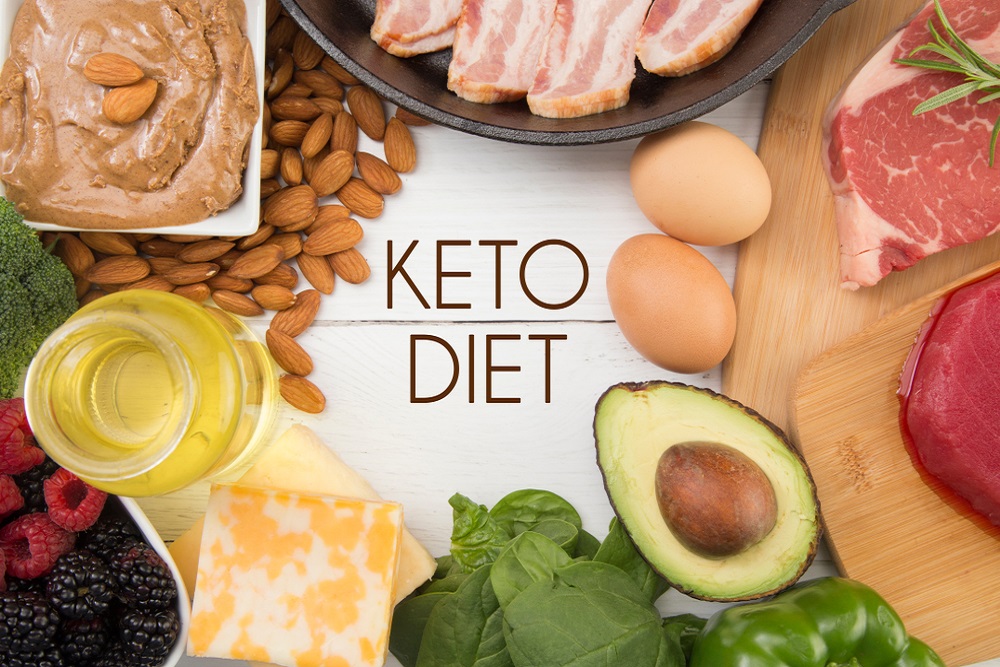
The ketogenic diet, or keto diet for short, has gained significant popularity in recent years as a way to promote weight loss and improve overall health. However, beyond its potential benefits for weight management, emerging research suggests that the keto diet may also play a role in cancer prevention.
Cancer is one of the leading causes of death worldwide, with millions of new cases diagnosed each year. While there are various factors that contribute to cancer development, including genetics and environmental exposures, adopting a healthy lifestyle can significantly reduce the risk. The keto diet focuses on consuming high-fat foods while minimizing carbohydrates and protein intake. This dietary approach alters the body’s metabolism by inducing ketosis – a state where the body primarily burns fat for energy instead of glucose.
So how does the keto diet potentially impact cancer prevention? Let’s explore some key mechanisms:
1. Reduced Insulin Levels: One major advantage of following a ketogenic diet is its ability to lower insulin levels. High insulin levels have been linked to an increased risk of certain types of cancers, including breast and colon cancer. By limiting carbohydrate intake and promoting fat utilization for energy production, the keto diet helps stabilize blood sugar levels and reduces insulin secretion.
2. Decreased Inflammation: Chronic inflammation within the body is closely associated with several chronic diseases, including cancer. Adopting a ketogenic eating pattern can help reduce inflammation due to its emphasis on anti-inflammatory foods such as fatty fish (rich in omega-3 fatty acids), avocados (source of monounsaturated fats), nuts (containing antioxidants), and leafy green vegetables (providing vitamins and minerals).
3. Enhanced Immune Function: A strong immune system plays a crucial role in preventing tumor growth and metastasis. Studies suggest that ketones produced during ketosis might enhance immune function by activating specific immune cells known as natural killer (NK) cells.
4. Metabolic Stress on Cancer Cells: Cancer cells predominantly rely on glucose for energy. By depriving the body of glucose through a low-carb, high-fat diet, the keto diet puts metabolic stress on cancer cells. This approach, known as metabolic therapy, aims to weaken cancer cells and potentially inhibit their growth.
5. Improved Weight Management: Obesity has been linked to an increased risk of many types of cancers. The keto diet has shown promising results in promoting weight loss due to its ability to suppress appetite and increase satiety levels. By shedding excess pounds through a healthy eating pattern like the ketogenic diet, individuals can significantly reduce their risk of obesity-related cancers.
It’s important to note that while these mechanisms show promise in cancer prevention, more research is needed to fully understand the relationship between the keto diet and cancer risk reduction. Additionally, it’s crucial to consult with a healthcare professional before making any significant dietary changes, especially if you have existing health conditions or are currently undergoing cancer treatment.
When adopting a ketogenic lifestyle for potential cancer prevention benefits, it’s essential to focus on nutrient-dense foods that provide essential vitamins and minerals while maintaining adequate protein intake for overall health maintenance. Incorporate a variety of non-starchy vegetables such as leafy greens, broccoli, cauliflower along with healthy fats from sources like avocados, olive oil, nuts/seeds while reducing carbohydrate-rich foods like grains and refined sugars.
In conclusion, although further research is necessary to determine the full extent of its benefits in preventing cancer development or progression; emerging evidence suggests that following a ketogenic diet may be beneficial for reducing certain risk factors associated with various types of cancers. Alongside other lifestyle modifications such as regular exercise and avoiding tobacco products/alcohol abuse – adopting a healthy eating pattern like the keto diet may contribute positively towards one’s overall well-being and help lower their chances of developing this life-altering disease.
Remember always consult your healthcare provider before making any drastic dietary changes or embarking on new health regimens!

Leave a Reply