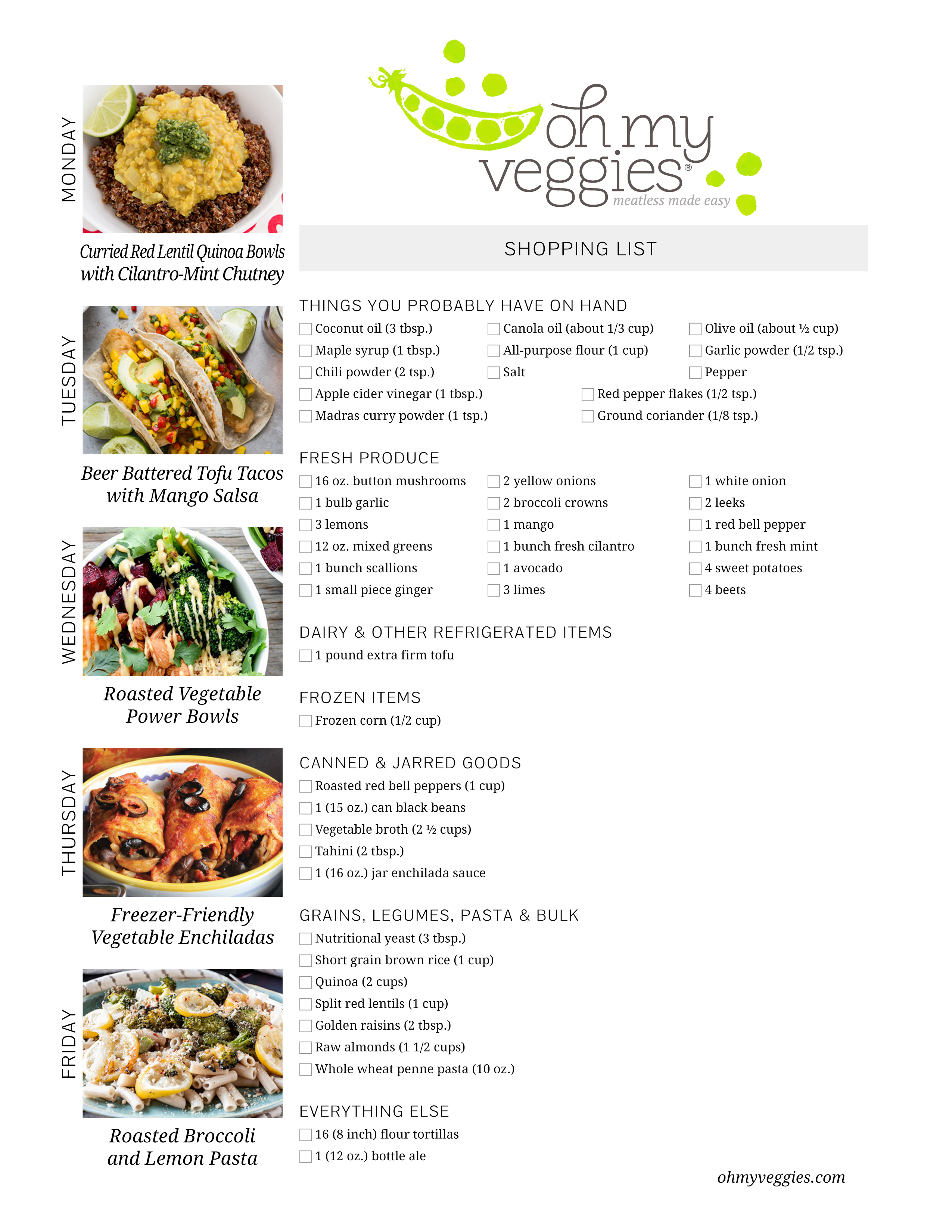
Vegan Meal Planning: A Guide to Healthy and Delicious Eating
With the increasing popularity of plant-based diets, many people are turning to veganism for various reasons, including health concerns, ethical considerations, or environmental sustainability. However, adopting a vegan lifestyle can be challenging without proper meal planning. In this article, we will guide you through the process of creating a well-balanced and satisfying vegan meal plan.
1. Set Your Goals
Before starting your vegan meal planning journey, it’s essential to define your goals. Are you looking to improve your overall health or lose weight? Do you have specific dietary restrictions or allergies? Understanding your objectives will help tailor your meals accordingly.
2. Stock Up on Staples
Building a well-stocked pantry is key to successful vegan meal planning. Start by ensuring you have an abundant supply of grains like quinoa, rice, and oats; legumes such as lentils, chickpeas, and black beans; healthy fats like nuts and seeds; and an array of fruits and vegetables.
3. Plan Your Meals in Advance
Taking the time each week to plan your meals in advance will save you precious time during busy weekdays while helping you make healthier choices consistently. Begin by deciding how many meals per day you want to prepare—breakfasts, lunches, dinners—and whether leftovers will suffice for some days.
4. Balance Nutrients
Creating a balanced plate is crucial when following a vegan diet plan. Aim for meals that include proteins (from sources like tofu, tempeh, seitan), carbohydrates (whole grains such as brown rice or quinoa), healthy fats (avocado or nuts), along with plenty of colorful fruits and vegetables.
5. Embrace Variety
Eating a diverse range of foods ensures that you receive all the necessary nutrients from different sources. Incorporate various types of whole grains (like millet or buckwheat) into your diet rather than relying solely on rice or pasta. Experiment with different fruits and vegetables to enjoy a myriad of flavors and textures.
6. Explore Plant-Based Proteins
Protein is an essential macronutrient that vegans can obtain from sources other than meat. Incorporate legumes, tofu, tempeh, seitan, edamame, or plant-based protein powders into your meals to meet your daily requirements.
7. Don’t Forget About Calcium and Iron
Calcium and iron are vital minerals often associated with animal products but can be obtained through plant-based sources as well. Include foods like leafy greens (kale, spinach), almonds, chia seeds, fortified non-dairy milk alternatives in your meal plan to ensure adequate intake of these nutrients.
8. Meal Prep for Convenience
If you have a busy lifestyle, consider dedicating some time each week for meal prepping. Chop vegetables in advance, cook large batches of grains or beans to store in the fridge or freezer for quick assembly later on.
9. Get Creative with Recipes
Vegan cooking doesn’t have to be boring! Explore various vegan recipes online or invest in vegan cookbooks to spark inspiration and creativity in the kitchen. Experimenting with new flavors and techniques will keep your meals exciting and enjoyable.
10. Monitor Your Progress
As you embark on your vegan meal planning journey, it’s important to monitor how you feel physically and emotionally. Keep track of any changes in energy levels, digestion patterns, mood swings, or weight fluctuations—this will help you fine-tune your diet according to what works best for your body.
In conclusion: Vegan meal planning can be an exciting adventure where healthy eating meets culinary creativity. By setting goals, stocking up on pantry staples, planning ahead while ensuring nutrient balance; embracing variety; exploring plant-based proteins; not neglecting calcium and iron; incorporating convenience through meal prep; getting creative with recipes; monitoring progress—you’ll soon discover the joys of a well-planned vegan diet that nourishes both your body and soul.

Leave a Reply