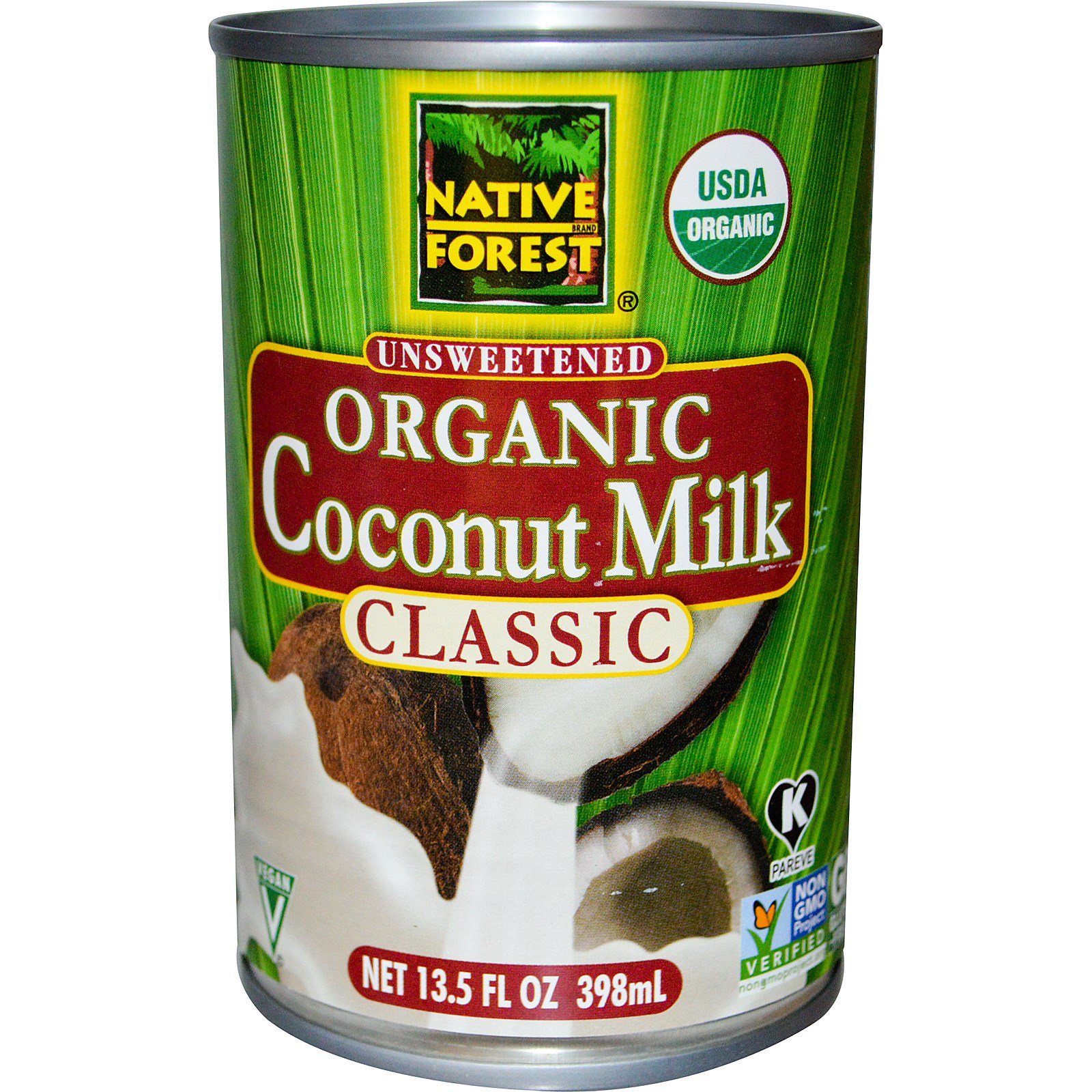
Coconut Milk: A Delicious and Nutritious Source of Healthy Fats
In recent years, the consumption of coconut milk has gained immense popularity among health enthusiasts and food lovers alike. Derived from the meat of mature coconuts, this creamy liquid is not only a tasty addition to various dishes but also packs a powerful punch when it comes to nutrition. One of its most prominent benefits lies in its high content of healthy fats, which are essential for optimal bodily functions. In this article, we will delve into the wonders of coconut milk as a source of healthy fats and explore how incorporating it into your diet can contribute to overall well-being.
Firstly, let’s talk about the type of fats found in coconut milk. Unlike saturated fats derived from animal sources that may raise cholesterol levels, coconut milk contains predominantly medium-chain triglycerides (MCTs). These MCTs are known for their unique ability to be rapidly absorbed by the body and converted into energy rather than being stored as fat. This makes coconut milk an excellent choice for individuals seeking sustainable energy throughout the day.
Furthermore, research suggests that MCTs have numerous health benefits beyond their role as an energy source. They have been shown to aid in weight management by increasing satiety and reducing appetite. Additionally, these healthy fats have antimicrobial properties that support gut health by promoting the growth of beneficial bacteria while inhibiting harmful pathogens.
Coconut milk is also rich in lauric acid—a type of fatty acid with potent antiviral and antibacterial properties. Lauric acid is converted into monolaurin in our bodies, further enhancing its immune-boosting abilities. Regular consumption of coconut milk may help strengthen your immune system and protect against common infections.
Another noteworthy benefit associated with coconut milk is its potential positive impact on heart health. Despite being high in saturated fat (which often raises concerns), studies indicate that the specific types found in coconuts may not have the same negative effects as those derived from animal sources. In fact, some research suggests that the MCTs in coconut milk can increase levels of beneficial HDL cholesterol while lowering harmful LDL cholesterol. This delicate balance is crucial for maintaining cardiovascular health.
Incorporating coconut milk into your diet is easier than you might think. It adds a deliciously creamy texture and tropical flavor to smoothies, curries, soups, and desserts. You can also enjoy it on its own or use it as a substitute for dairy milk in various recipes. However, keep in mind that coconut milk does contain calories, so moderation is key if you are watching your overall caloric intake.
To conclude, coconut milk is a delectable source of healthy fats that offers an array of benefits for both taste buds and well-being. Its unique composition of medium-chain triglycerides and lauric acid sets it apart from other sources of saturated fats. From providing sustainable energy to supporting immune function and heart health, this versatile ingredient deserves its place at the forefront of a nutritious diet. So why not indulge in some creamy coconut goodness today? Your body will thank you!

Leave a Reply