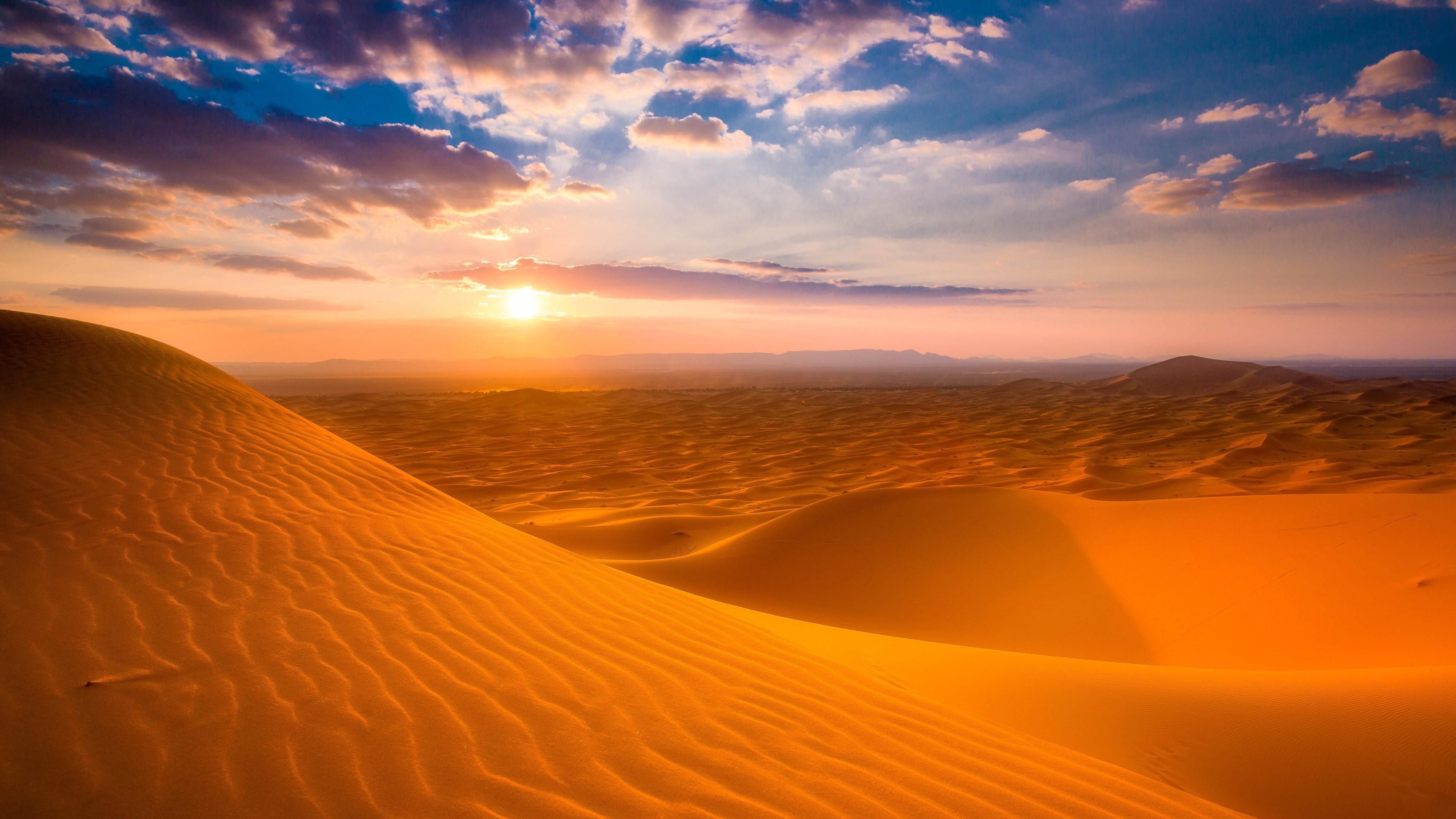
The Sahara Desert is the largest hot desert in the world, covering an area of over 9 million square kilometers across North Africa. Its vast expanse stretches from the Atlantic Ocean to the Red Sea, encompassing parts of Algeria, Chad, Egypt, Libya, Mali, Mauritania, Morocco, Niger, Sudan, and Tunisia. Despite its arid and inhospitable conditions with scorching temperatures and limited vegetation cover, the Sahara holds a unique allure for adventurers and scientists alike.
The climate of the Sahara Desert is characterized by extreme heat during the day and cold nights. Temperatures can soar up to 50 degrees Celsius (122 degrees Fahrenheit) during summer days while plummeting below freezing at night. Rainfall is sparse and irregular in this region; some areas may only experience rainfall once every few years or even decades. This lack of water contributes to its barren landscapes dominated by sand dunes that stretch as far as the eye can see.
Despite its harsh environment for sustaining life forms that typically rely on water sources like plants and animals, there are some adaptations that have allowed certain species to survive here. The Sahara Desert houses several resilient plant species such as cacti and succulents that can store water within their tissues to withstand long periods without rainfall. These plants also often have deep roots that reach underground water sources.
In terms of animal life, various creatures call this inhospitable desert home. Some examples include fennec foxes with their large ears that help dissipate body heat; camels which can store fat in their humps for sustenance during food scarcity; scorpions known for their ability to adapt to extreme temperatures; and addax antelopes capable of surviving without drinking water for extended periods.
Apart from its natural features and wildlife adaptations, another intriguing aspect of the Sahara Desert lies in its cultural significance throughout history. The ancient Egyptians revered this vast landscape as evidenced by numerous rock carvings and cave paintings found in the region. These artworks depict scenes of hunting, wildlife, and daily life, providing valuable insights into past civilizations.
Furthermore, nomadic tribes have inhabited the Sahara for thousands of years. The Tuareg people are one such group known for their distinctive indigo-colored clothing and expert knowledge of desert navigation. They have adapted to life in the desert by developing ingenious techniques to find water sources and preserve food.
While it may seem counterintuitive to associate healthy eating with a barren desert, there are some traditional foods that derive from or can be sourced within the Sahara region. Dates are a staple fruit in this area due to their ability to grow in arid conditions. Rich in fiber and essential minerals like potassium, dates make for a nutritious snack option.
Another important food source is couscous – a grain dish made from semolina wheat that has been consumed by Saharan communities for centuries. It is often served with vegetables such as carrots, zucchini, tomatoes, or chickpeas which provide essential vitamins and minerals.
Additionally, camel milk holds cultural significance as well as health benefits. It contains less fat than cow’s milk while being rich in proteins and vitamins such as vitamin C and iron. Some studies even suggest that camel milk might have potential therapeutic properties for certain medical conditions.
In conclusion, the Sahara Desert stands as an awe-inspiring natural wonder despite its inhospitable environment. Its extreme climate has led to unique adaptations among plants and animals alike while also shaping the traditions of those who call it home. Although not renowned for its culinary abundance, the region does offer some healthy food options derived from local resources such as dates, couscous, and camel milk. Exploring this vast desert reveals not only its physical beauty but also uncovers stories of resilience and adaptability throughout history.

Leave a Reply