Raw vs Cooked Kale: Which is Better?
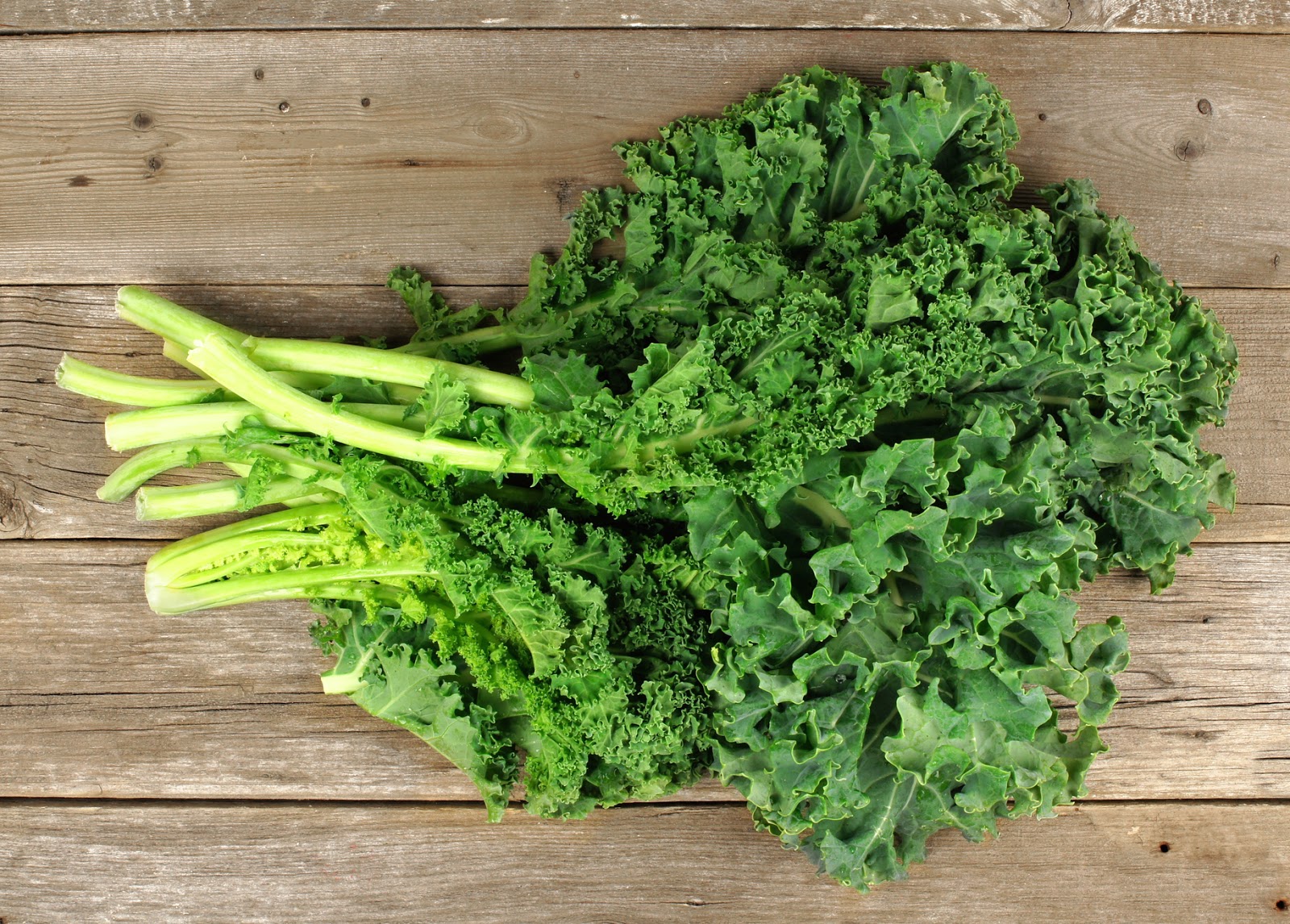
Kale has gained immense popularity in recent years as a nutrient-packed superfood. With its numerous health benefits and versatility, kale has become a staple in many healthy eating plans. However, there is an ongoing debate about whether it is better to consume kale raw or cooked. In this article, we will delve into the pros and cons of both options to help you make an informed decision.
Raw Kale:
Many proponents of raw kale argue that consuming it uncooked preserves more nutrients than cooking it. Raw kale is rich in vitamins A, C, K, and B6, as well as minerals like potassium and manganese. These nutrients are essential for maintaining good overall health.
One significant advantage of consuming raw kale is that it retains its natural enzymes that aid digestion. These enzymes can help break down food and improve nutrient absorption in the body. Additionally, raw kale contains powerful antioxidants such as beta-carotene and flavonoids that protect against oxidative stress caused by free radicals.
Another benefit of eating raw kale is its high fiber content. Fiber aids in digestion, promotes bowel regularity, and can contribute to weight loss by increasing satiety levels.
However, despite these advantages, there are some downsides to consuming raw kale. For some individuals with sensitive digestive systems or certain medical conditions like irritable bowel syndrome (IBS), the high fiber content of raw kale may cause discomfort or bloating.
Moreover, raw cruciferous vegetables like kale contain goitrogens – naturally occurring substances that interfere with iodine uptake by the thyroid gland – which could potentially affect thyroid function if consumed excessively or if someone already has an underlying thyroid condition.
Cooked Kale:
Cooking kale can slightly alter its nutritional composition but also offers unique benefits compared to eating it raw. One significant advantage of cooking any vegetable is increased digestibility since cooking breaks down tough fibers making them easier for our bodies to process.
Cooking kale also helps in deactivating goitrogens, making it a safer option for individuals with thyroid concerns. Additionally, cooking kale can increase the bioavailability of certain nutrients such as lutein and zeaxanthin, which are essential for maintaining eye health.
Furthermore, cooking kale enhances its taste by reducing bitterness and improving flavor. This could be particularly helpful for those who find raw kale unpalatable or challenging to incorporate into their diet. By sautéing or roasting kale with some spices or herbs, you can create a delicious side dish or add it to soups and stews.
However, it’s important to note that overcooking kale can lead to nutrient loss. To retain as many nutrients as possible when cooking kale, it is recommended to use minimal water and avoid boiling for an extended period.
So Which is Better: Raw or Cooked Kale?
The answer ultimately depends on personal preference and individual health considerations. Both raw and cooked forms of kale offer unique advantages.
If you enjoy the taste of raw kale and have no digestive issues or thyroid concerns, incorporating it into your diet can provide you with a rich source of vitamins, minerals, antioxidants, and fiber while preserving natural enzymes.
On the other hand, if you find raw kale unappetizing or struggle with digestion after consuming it uncooked, cooking your kale may be a better option. Cooking not only improves digestibility but also deactivates goitrogens that could potentially affect thyroid function. You will still benefit from the various nutrients present in cooked kale while enjoying enhanced flavors.
It’s worth mentioning that combining both raw and cooked forms of vegetables in your diet provides a wide range of nutrients due to differing nutrient profiles resulting from different preparation methods. Variety is key when it comes to achieving optimal nutrition!
In conclusion, whether you choose to consume your kale raw or cooked depends on your personal preferences and specific health needs. Both options offer their own set of advantages, so feel free to experiment with different cooking methods and find what works best for you. The most important thing is to include this nutrient-rich vegetable in your diet regularly, as it can contribute significantly to your overall health and well-being.

Leave a Reply