Small Intestinal Bacterial Overgrowth (SIBO): Understanding the Causes, Symptoms, and Treatment
Introduction:
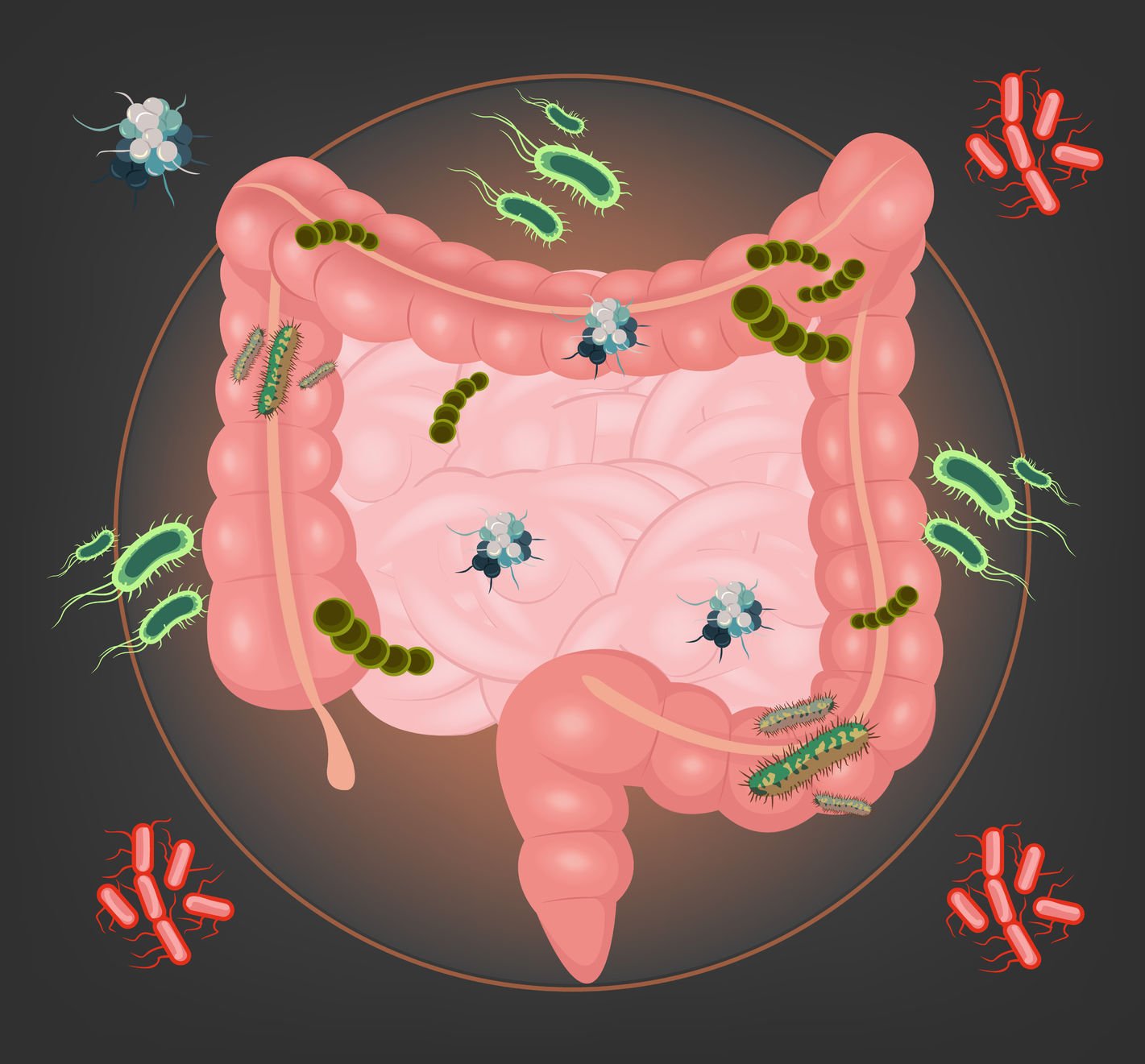
Maintaining a healthy gut is crucial for overall well-being. Our intestines are home to trillions of bacteria that play a vital role in digestion and immune function. However, an overgrowth of bacteria in the small intestine can lead to a condition known as Small Intestinal Bacterial Overgrowth (SIBO). In this article, we will explore what SIBO is, its causes, symptoms, diagnosis methods, and available treatment options.
What is SIBO?
Small Intestinal Bacterial Overgrowth occurs when there is an abnormal increase in the number or type of bacteria present in the small intestine. Normally, the small intestine contains relatively fewer bacteria compared to other parts of the digestive system like the large intestine. When these bacteria multiply excessively in the small intestine or migrate from other areas of the gut into it, it disrupts normal digestion and absorption processes.
Causes of SIBO:
There are several factors that contribute to the development of SIBO. These include:
1. Impaired Movement: The movement of food through our digestive system relies on coordinated contractions known as peristalsis. Conditions such as intestinal surgery or damage to nerves controlling muscle contractions can slow down this movement leading to bacterial overgrowth.
2. Structural Abnormalities: Certain conditions like diverticula (pouches that form along the intestinal wall) or strictures (narrowing) can cause stagnant areas where bacteria accumulate.
3. Low Stomach Acid: Adequate stomach acid helps kill off excessive bacterial growth before reaching the small intestine. A deficiency in stomach acid may allow more bacteria to survive and colonize further downstream.
4. Motility Disorders: Medical conditions like diabetes or scleroderma can impair gut motility leading to bacterial buildup.
5. Medications: Prolonged or excessive use of certain medications, such as proton pump inhibitors (PPIs) used to treat acid reflux, can alter the gut environment and contribute to SIBO development.
Symptoms of SIBO:
SIBO manifests itself through a range of symptoms that can vary from person to person. Some common signs include:
1. Abdominal pain and discomfort: Cramping, bloating, and distension are commonly reported symptoms in individuals with SIBO.
2. Diarrhea or Constipation: Altered bowel movements are frequently seen in people suffering from this condition.
3. Nutritional Deficiencies: The overgrowth of bacteria in the small intestine can interfere with nutrient absorption, leading to deficiencies in iron, vitamin B12, fat-soluble vitamins like A, D, E, and K.
Diagnosis:
Due to its non-specific symptoms resembling other gastrointestinal disorders like irritable bowel syndrome (IBS), diagnosing SIBO can be challenging. However, several tests exist for proper identification:
1. Breath Tests: These tests involve ingesting a specific sugar solution followed by breath collection at regular intervals. Elevated levels of hydrogen or methane gas indicate bacterial overgrowth.
2. Small Intestine Aspiration: This invasive procedure involves obtaining fluid samples directly from the small intestine for bacterial analysis.
Treatment Options:
Once diagnosed with SIBO, appropriate treatment is necessary to alleviate symptoms and restore gut health. Treatment options include:
1. Antibiotics: Rifaximin is an antibiotic commonly prescribed specifically for treating SIBO due to its ability to target bacteria in the small intestine while minimizing impact on beneficial gut flora.
2. Probiotics: Certain strains of probiotics have shown promise in rebalancing the gut microbiome by reducing bacterial overgrowth and promoting healthy digestion.
3. Dietary Changes: Following a low FODMAP (fermentable oligosaccharides, disaccharides, monosaccharides, and polyols) diet can help reduce symptoms by avoiding foods that contribute to bacterial fermentation.
4. Addressing Underlying Causes: Treating any underlying conditions contributing to SIBO, such as addressing motility disorders or reducing the use of medications that may disrupt gut flora.
Conclusion:
Small Intestinal Bacterial Overgrowth (SIBO) is a condition caused by an abnormal increase in bacteria within the small intestine. It can lead to various uncomfortable symptoms and nutritional deficiencies. Understanding the causes, recognizing symptoms, and obtaining a proper diagnosis are crucial steps toward effective treatment. By following appropriate treatment options like antibiotics, probiotics, dietary changes, and addressing underlying causes, individuals with SIBO can regain control over their digestive health and improve their overall well-being. Remember to consult with a healthcare professional before starting any treatment regimen for SIBO or related gut conditions.

Leave a Reply