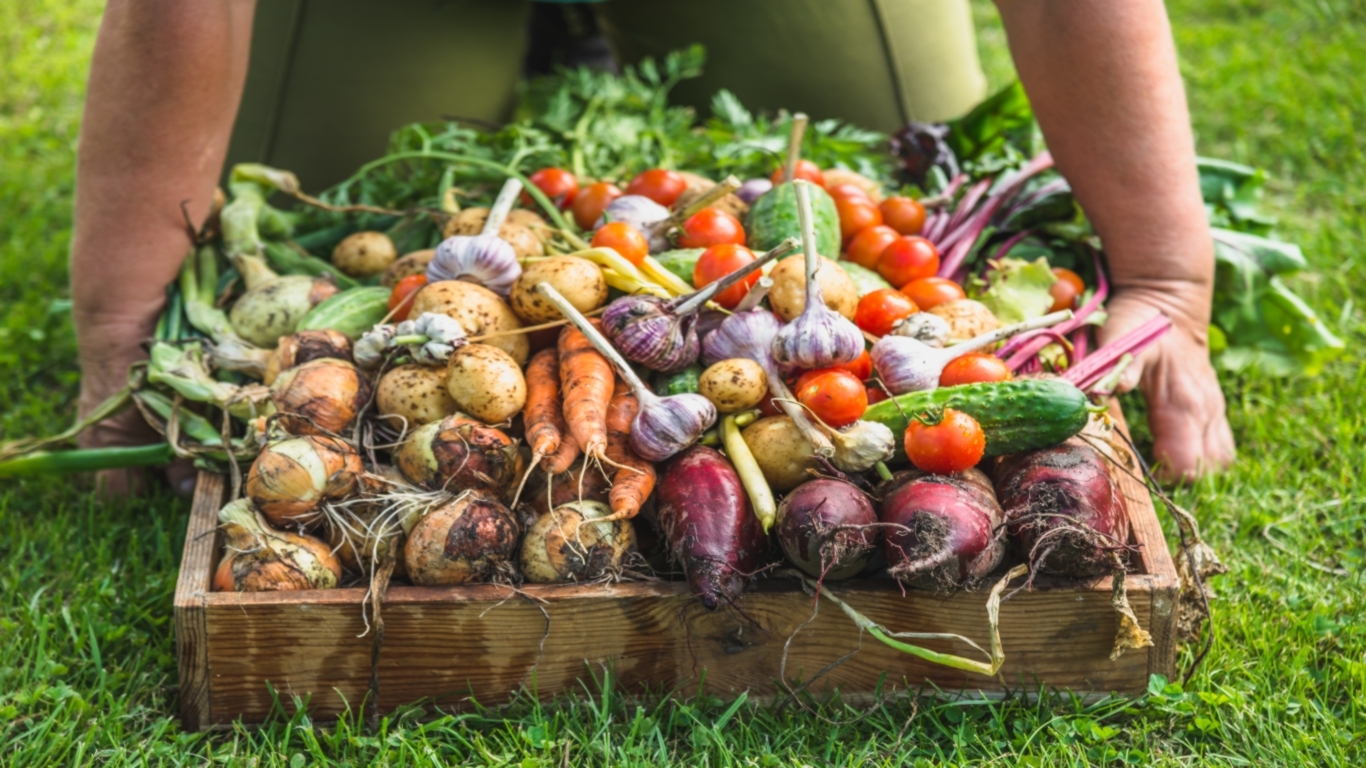
Organic Farming: Nurturing the Earth for Healthy Eating
In today’s fast-paced world, where convenience often takes precedence over health, organic farming stands as a beacon of sustainable and nutritious food production. Rooted in ancient agricultural practices, organic farming has gained significant popularity in recent years due to its focus on environmental preservation and human well-being. This article aims to delve into the principles and benefits of organic farming, shedding light on how this holistic approach promotes healthy eating.
At its core, organic farming is a method that shuns synthetic chemicals and genetically modified organisms (GMOs) while prioritizing soil fertility, biodiversity conservation, and animal welfare. By adopting natural techniques such as composting, crop rotation, and biological pest control instead of relying on synthetic fertilizers or pesticides, organic farmers work harmoniously with nature rather than against it.
One fundamental principle of organic farming is nurturing soil health. Organic farmers prioritize enriching their soils with nutrient-rich compost made from plant waste or manure. This practice not only replenishes vital nutrients but also improves soil structure and water retention capacity. By maintaining healthy soils through these methods, organic farms can produce higher-quality crops that are naturally resistant to pests and diseases.
Another key aspect of organic farming is biodiversity conservation. Unlike conventional agriculture that often relies on monoculture – growing a single crop over large expanses – organic farmers strive for diversity by practicing crop rotation. This means alternating different types of crops seasonally to disrupt pest cycles naturally while promoting balanced ecosystems within farmland.
Moreover, supporting animal welfare plays an integral role in the ethos of organics. Organic livestock rearing emphasizes providing animals with ample space to roam freely outdoors while avoiding growth hormones or antibiotics routinely used in intensive factory farming systems. These practices result in healthier animals that provide consumers with meat products free from harmful residues.
The benefits associated with consuming organically grown foods extend beyond personal health advantages; they encompass environmental considerations too. Organic farming methods reduce soil erosion, water pollution, and greenhouse gas emissions compared to conventional agriculture. By avoiding synthetic pesticides and fertilizers, organic farmers prevent these chemicals from contaminating water sources and harming beneficial organisms such as bees and other pollinators.
Furthermore, studies have shown that organic crops often contain higher levels of essential nutrients such as vitamins, minerals, and antioxidants. For instance, research reveals that organically grown fruits and vegetables consistently exhibit more significant concentrations of vitamin C, iron, magnesium, and phytochemicals when compared to conventionally grown produce. These nutrient-dense foods provide the building blocks for a robust immune system while reducing the risk of chronic diseases.
Embracing organic farming practices not only benefits consumers but also supports local economies. Small-scale organic farms create employment opportunities within communities by fostering sustainable livelihoods for farmers who can sell their produce at premium prices due to its superior quality.
In conclusion, organic farming is an ancient practice that has regained prominence in recent years due to its focus on sustainability and health-consciousness. By nurturing soil health with natural techniques, promoting biodiversity conservation through crop rotation, prioritizing animal welfare in livestock rearing systems, and reducing environmental harm caused by chemicals used in conventional agriculture – organic farming provides a holistic approach to food production. Choosing organically grown foods ensures access to nutritious options while supporting local economies committed to sustainable practices. So let us embrace this timeless wisdom of the land as we nourish our bodies with healthy eating choices rooted in nature’s harmonious balance.

Leave a Reply