Quinoa, a nutrient-dense grain-like seed, has gained immense popularity in recent years due to its numerous health benefits. This ancient superfood is not only packed with protein, fiber, vitamins, and minerals but is also gluten-free and easy to incorporate into various dishes. However, the surge in demand for quinoa has led to significant changes in its supply chain.
1. Increasing Demand: Quinoa consumption has skyrocketed globally as more people are embracing healthy eating habits. The rise of vegetarianism and veganism, along with increased awareness about the nutritional value of quinoa, has contributed to this growing demand.
2. Limited Supply: Traditionally cultivated in the Andean regions of South America (mainly Bolivia and Peru), quinoa production was initially limited due to geographical constraints. The high altitude and specific climate conditions required for optimal growth made it challenging to expand production beyond these regions.
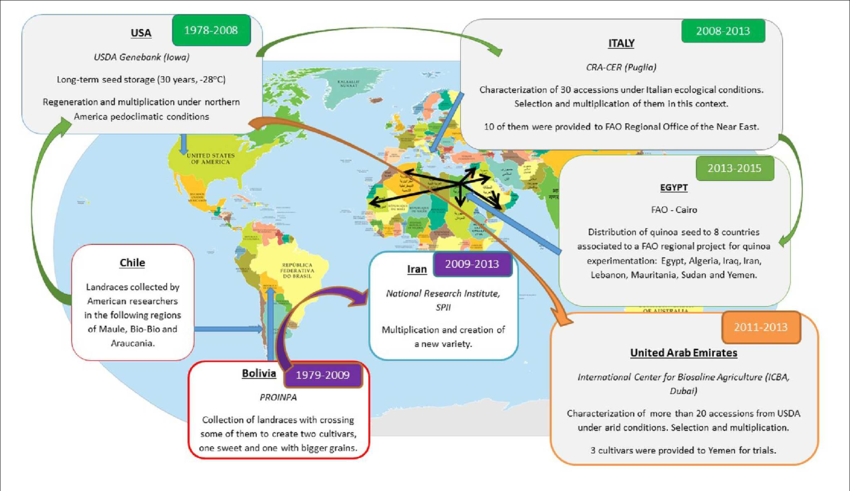
3. Global Expansion: In response to the increasing demand for quinoa, farmers worldwide have begun cultivating it outside of South America. Countries like the United States, Canada, France, India, Kenya, and Australia have started growing quinoa successfully by adapting cultivation techniques suitable for their respective climates.
4. Price Fluctuations: As demand outstripped supply during the early stages of quinoa’s popularity boom, prices soared dramatically. This price surge created challenges for those who had traditionally relied on quinoa as a staple food source in Bolivia and Peru.
5. Economic Impact: While increased export opportunities brought economic benefits to farmers in South America’s Andean region where most of the world’s quinoa was initially grown; it also resulted in higher local prices that affected affordability for locals who depended on it as a dietary staple.
6. Sustainable Farming Practices: With the expansion of global quinoa cultivation came concerns about sustainability practices used by some farmers outside traditional regions. Ensuring responsible farming methods such as water conservation techniques and organic farming practices is crucial to maintain the integrity and environmental benefits of quinoa production.
7. Crop Diversification: The surge in demand for quinoa has prompted farmers to diversify their crops, reducing dependence on traditional staples like wheat and corn. This diversification not only leads to more sustainable agriculture but also improves food security in regions where climate change or other factors affect crop yields.
8. Quinoa Alternatives: In response to price fluctuations and sustainability concerns, researchers have been working on developing alternative grain options that offer similar nutritional profiles and can be grown in various climates. These alternatives aim to provide consumers with choices while reducing pressure on quinoa supply chains.
9. Fair Trade Initiatives: Organizations promoting fair trade practices have emerged to address the social impact of increased global demand for quinoa. These initiatives work towards ensuring fair wages, improving living conditions, and supporting local farming communities involved in quinoa cultivation.
10. Future Outlook: As the popularity of healthy eating continues to rise, the demand for nutrient-rich foods such as quinoa is expected to remain strong. By implementing responsible farming practices, diversifying crops, and exploring alternative grains, it is possible to strike a balance between meeting consumer needs while prioritizing sustainability and affordability.
In conclusion, the growing demand for quinoa has led to significant changes in its supply chain worldwide. While this superfood offers exceptional nutritional value and health benefits, it’s important for consumers, producers, and policymakers alike to ensure sustainable production methods are employed so that both farmers’ livelihoods and environmental integrity are preserved moving forward

Leave a Reply