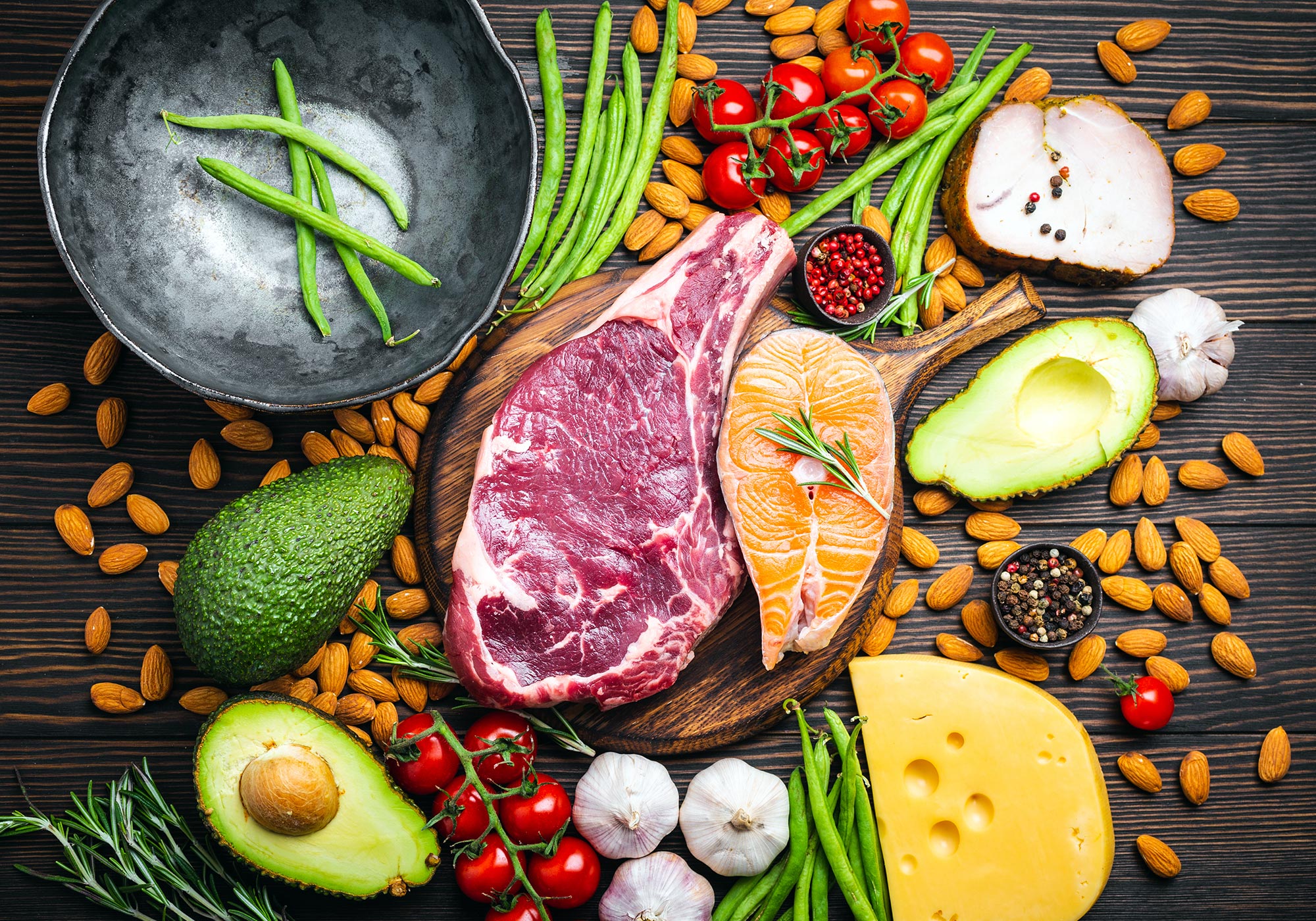
Low-carb/high-fat diets, also known as ketogenic or keto diets, have gained significant popularity in recent years. The basic principle behind this eating plan is to drastically reduce carbohydrate intake and replace it with healthy fats. While it may seem counterintuitive to consume more fat for weight loss, the keto diet has proven effective for many individuals.
The main goal of a low-carb/high-fat diet is to shift the body’s primary fuel source from carbohydrates to fats. By limiting carbs (typically below 50 grams per day) and increasing fat consumption (around 70-75% of total calories), the body enters a state called ketosis. In ketosis, the liver starts converting stored fat into molecules called ketones, which become the primary source of energy for the body.
One of the major benefits of a ketogenic diet is its ability to promote weight loss. When carbohydrates are restricted, insulin levels decrease, leading to a reduction in appetite and fewer cravings for sugary foods. Additionally, since fat provides satiety and keeps you feeling fuller for longer periods, it can naturally lead to reduced calorie intake without feelings of deprivation.
Moreover, low-carb/high-fat diets have been shown to improve various health markers such as blood sugar control and cardiovascular risk factors like cholesterol levels. Many studies indicate that these eating plans can help lower triglycerides while increasing HDL (good) cholesterol levels.
Interestingly, ketogenic diets have also demonstrated positive effects on brain health. The brain can efficiently use ketones as an alternative fuel source when glucose availability is limited. Some research suggests that this metabolic state might enhance cognitive function and even benefit individuals with neurodegenerative diseases like Alzheimer’s.
While low-carb/high-fat diets offer numerous benefits, they may not be suitable for everyone. Individuals with certain medical conditions or on specific medications should consult their healthcare provider before embarking on such dietary changes. It’s crucial to ensure proper nutrient intake by incorporating a variety of healthy fats, lean proteins, and non-starchy vegetables.
In conclusion, low-carb/high-fat diets like the ketogenic diet can be an effective tool for weight loss, improving metabolic health markers, and potentially enhancing brain function. However, it’s essential to approach this eating plan with caution and seek guidance from a healthcare professional or registered dietitian to ensure its suitability for individual needs and goals.

Leave a Reply