Introduction:
Welcome to our panel discussion on the garlic value chain analysis. Today, we have gathered a group of experts in the field to shed light on various aspects of the garlic value chain, from production to consumption. Garlic has long been celebrated for its health benefits and culinary uses, making it an essential ingredient in many cuisines around the world. Through this discussion, we aim to explore different stages of the garlic value chain and understand its economic significance as well as its impact on human health.
1. Garlic Production:
The first step in understanding the garlic value chain is examining its production process. Driven by increasing global demand, garlic cultivation has expanded significantly over recent years. China is the leading producer, accounting for nearly 80% of global output. Other major producers include India, Bangladesh, Egypt, and South Korea.
Garlic is typically grown through two methods: seed propagation and clove planting. Seed propagation involves cultivating seeds into small bulbs before transplanting them into fields for further growth. On the other hand, clove planting involves directly sowing cloves into soil beds or containers.
2. Harvesting and Processing:
Once harvested, garlic undergoes various processing activities depending on its intended use—whether fresh or processed products like powders or oils. After harvesting, farmers cure garlic bulbs by drying them either naturally or artificially until they reach desired moisture levels suitable for storage or processing.
In some cases, farmers may choose to transform fresh garlic into dehydrated forms like flakes or powder through specialized drying techniques that preserve flavor while extending shelf life.
3. Packaging and Distribution:
Packaging plays a crucial role in maintaining product quality during distribution and retailing processes within the value chain. Proper packaging ensures protection against physical damage while preventing spoilage caused by exposure to external factors such as light and moisture.
To meet consumer demands worldwide efficiently and effectively requires establishing robust distribution networks capable of transporting large quantities of fresh produce across long distances without compromising quality. This often involves refrigerated transportation methods to preserve garlic’s freshness and extend its shelf life.
4. Market Trends and Economic Significance:
Garlic enjoys a significant market demand due to its versatile applications in culinary traditions, natural remedies, and nutritional benefits. The global garlic market is projected to continue growing steadily in the coming years, driven by increasing consumer awareness of its health properties.
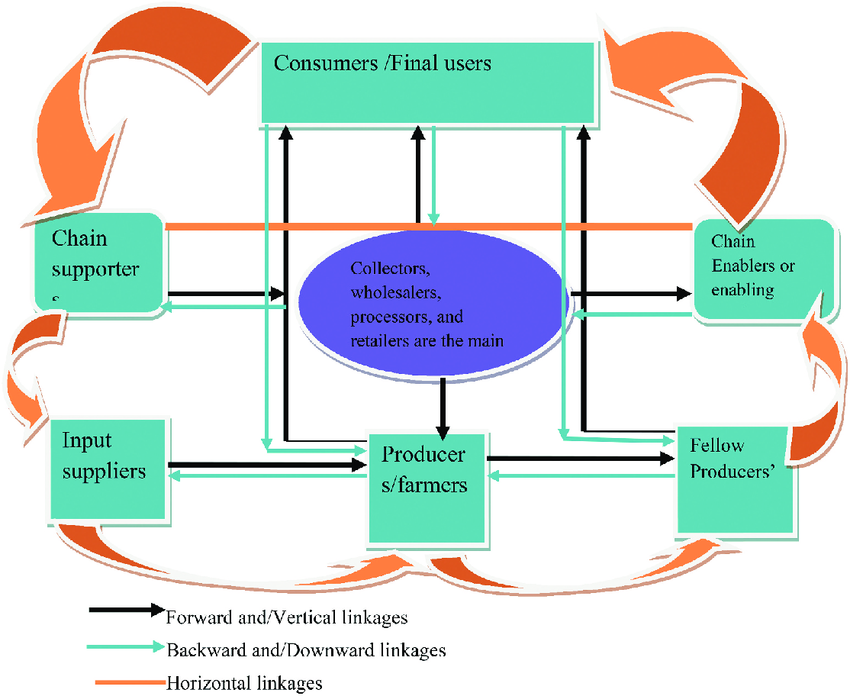
Furthermore, the economic significance of the garlic value chain extends beyond production alone. It encompasses various stakeholders such as farmers, processors, distributors, and retailers who contribute to job creation and income generation within their respective regions.
5. Health Benefits of Garlic:
One cannot discuss the garlic value chain without acknowledging its numerous health benefits. Garlic is known for containing sulfur compounds that have been linked to potential therapeutic effects on cardiovascular health by reducing blood pressure and improving cholesterol levels.
Additionally, studies suggest that garlic may possess antimicrobial properties which can help fight bacterial infections while also boosting the immune system. Moreover, it has antioxidant properties that aid in reducing oxidative stress within the body.
6. Sustainability Concerns:
As we analyze the different stages of the garlic value chain, we must address sustainability concerns associated with this industry. Environmental issues like water consumption during cultivation practices need careful monitoring to ensure responsible resource management.
Moreover, attention should be given to fair trade practices that support small-scale farmers while promoting sustainable agriculture techniques such as organic farming methods or integrated pest management systems for pest control.
Conclusion:
The garlic value chain analysis reveals a complex network involving various stakeholders working together from production through distribution until reaching consumers worldwide. Understanding this process allows us to appreciate not only the economic significance but also the health benefits associated with consuming this remarkable bulb.
By addressing sustainability concerns throughout each stage of the value chain—from cultivation techniques to packaging materials—we can ensure a more responsible and environmentally friendly industry while safeguarding both farmer livelihoods and consumer well-being alike.

Leave a Reply