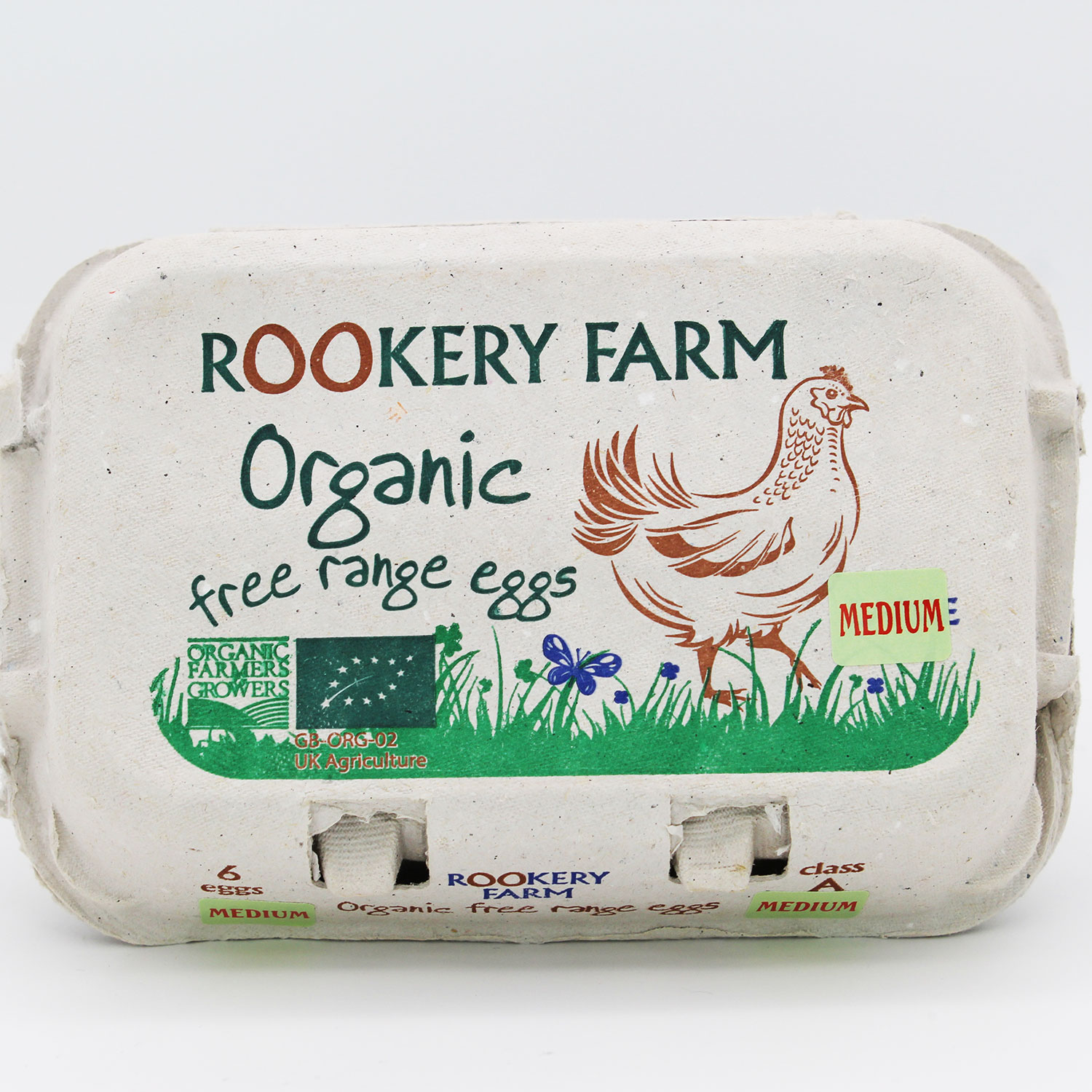
Organic Free-Range Eggs: The Ultimate Guide to Health and Sustainability
In recent years, there has been a growing interest in organic free-range eggs. More and more people are seeking out these eggs as they become increasingly aware of the benefits they offer for their health and the environment. But what exactly is an organic free-range egg? And why should you choose them over conventional alternatives? In this ultimate guide, we will delve into all aspects of organic free-range eggs, exploring their nutritional value, ethical production practices, environmental impact, and tips on how to incorporate them into your diet.
What are Organic Free-Range Eggs?
To understand what organic free-range eggs are, it’s important to first define the terms “organic” and “free-range.”
Organic refers to a specific method of farming that avoids synthetic chemicals such as pesticides, fertilizers, antibiotics, or hormones. Organic farmers rely on natural methods like crop rotation and composting to enrich the soil and minimize pest problems. When it comes to poultry farming for eggs, organic standards ensure that chickens have access to outdoor areas where they can roam freely while also being fed an organic diet.
Free-range indicates that hens have access to the outdoors for at least part of their lives. This allows them space to engage in natural behaviors like scratching the ground or dust bathing. However, it’s worth noting that not all free-range eggs are necessarily organic since they may still be produced using conventional feed or other non-organic practices.
Nutritional Benefits of Organic Free-Range Eggs
One major reason why people opt for organic free-range eggs is due to their superior nutritional profile when compared with conventionally-raised alternatives. Research suggests that these eggs contain higher levels of essential nutrients such as vitamins A, E, D3 (which is crucial for calcium absorption), B12 (important for brain function), omega-3 fatty acids (associated with heart health), lutein (beneficial for eye health), and beta-carotene (a precursor to vitamin A).
The increased nutrient content in organic free-range eggs can be attributed to the hens’ diet. Organic chickens are typically fed an organic feed that is rich in natural ingredients, including grains, seeds, and insects they find while roaming outdoors. This diverse diet translates into a more nutritious egg.
Ethical Production Practices
Choosing organic free-range eggs also aligns with ethical considerations. These eggs come from hens raised in humane conditions where animal welfare is prioritized. Unlike conventional systems where hens are often confined to small cages, organic free-range chickens have ample space to move around freely and engage in natural behaviors.
Organic farming standards require that hens have access to outdoor areas, allowing them to exhibit their innate behaviors like pecking at the ground or basking in the sun. Furthermore, these farms tend to avoid practices such as beak trimming or forced molting methods commonly used in conventional operations.
Environmental Impact of Organic Free-Range Eggs
Opting for organic free-range eggs can also contribute positively towards environmental sustainability. Organic farming methods focus on maintaining soil fertility through crop rotation and minimizing chemical inputs. This approach helps preserve biodiversity by promoting healthy ecosystems within and around the farm.
Additionally, organic farmers prioritize conservation practices such as protecting water sources from contamination and reducing greenhouse gas emissions associated with synthetic fertilizers or intensive livestock production. By supporting organic agriculture, you’re indirectly supporting a system that aims for long-term ecological balance rather than short-term gains.
Incorporating Organic Free-Range Eggs Into Your Diet
Now that we understand why choosing organic free-range eggs is beneficial let’s explore some ways you can incorporate them into your daily meals:
1. Scrambled or Fried: The classic breakfast choice! Whip up some scrambled or fried eggs using minimal oil or butter for a quick protein-packed start to your day.
2. Omelettes: Customize your omelette with an array of vegetables, herbs, and cheeses. Add some free-range organic ham or bacon for an extra flavor boost.
3. Baking: Substitute conventional eggs in baking recipes with organic free-range eggs to enhance the nutritional value of your favorite treats without compromising taste or texture.
4. Poached: A poached egg can elevate a simple salad, grain bowl, or avocado toast to new heights. Experiment with different seasonings like chili flakes or fresh herbs for added zest.
5. Deviled Eggs: Jazz up your deviled eggs by adding unique ingredients such as smoked salmon, truffle oil, or avocado for a sophisticated twist on this classic appetizer.
6. Egg Salad: Combine hard-boiled organic free-range eggs with mayonnaise (opt for a healthier alternative like avocado mayo) and dijon mustard for a scrumptious sandwich filling.
7. Quiches and Frittatas: These versatile dishes are perfect for using up leftover vegetables and cheeses. Bake them ahead of time for easy meal prep throughout the week.
8. Homemade Mayo/Aioli/Dressings: Use organic free-range egg yolks to make homemade condiments without any artificial preservatives present in store-bought alternatives.
By incorporating these ideas into your diet, you’ll not only enjoy delicious meals but also support sustainable farming practices that benefit both your health and the environment.
In conclusion, choosing organic free-range eggs is a conscious decision towards bettering our health while promoting animal welfare and environmental sustainability. With their superior nutrient content, ethical production practices, and positive environmental impact – it’s clear that these eggs offer numerous benefits compared to conventionally-raised alternatives. So why not make the switch today? Your body will thank you!

Leave a Reply