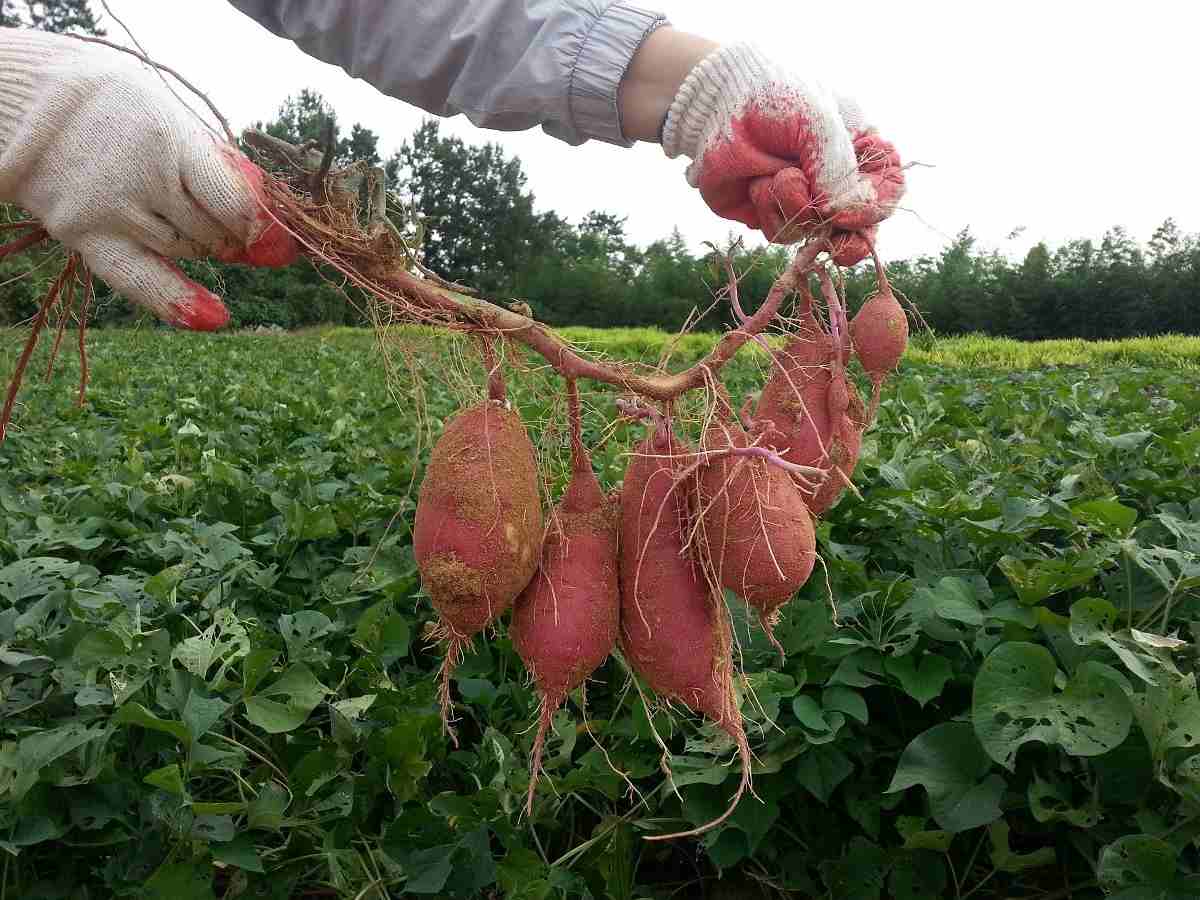
Organic Sweet Potato Production: A Nutritious and Sustainable Choice
Sweet potatoes are a versatile and nutritious vegetable that has gained popularity among health-conscious individuals. Their natural sweetness, vibrant color, and nutrient-rich profile make them an excellent addition to any diet. However, with increasing concerns about pesticide residues and environmental impact, many people are turning to organic sweet potato production as a sustainable and healthier alternative.
One of the significant advantages of organic sweet potato production is the absence of synthetic pesticides and fertilizers. Conventional farming methods often rely heavily on these chemicals to control pests and maximize yields. In contrast, organic farmers utilize natural methods such as crop rotation, beneficial insects, and composting to maintain soil fertility while minimizing pest damage.
By avoiding synthetic pesticides, organic sweet potato production ensures that consumers can enjoy this vegetable without worrying about potential harmful residues. Pesticides have been linked to various health issues like cancer, hormone disruption, and neurotoxicity. Choosing organic sweet potatoes provides peace of mind for individuals who prioritize their well-being.
Moreover, cultivating sweet potatoes organically promotes soil health and biodiversity conservation. Organic farming practices emphasize building healthy soils through the use of cover crops like legumes or grasses that help fix nitrogen naturally. This reduces reliance on synthetic fertilizers while enhancing soil structure over time.
Protecting biodiversity is another vital aspect of organic agriculture. By avoiding chemical inputs that harm beneficial insects like bees or pollinators critical for crop reproduction, organic farms create a supportive environment for these essential species to thrive. This contributes to overall ecosystem balance by preserving diverse flora and fauna.
In terms of nutritional value, studies have shown that organic fruits and vegetables often contain higher levels of certain nutrients compared to conventionally grown counterparts. Although research specifically focusing on sweet potatoes is limited in this regard at present; it stands to reason that similar benefits may extend to organically produced varieties as well.
However, it’s important not only to focus solely on whether a crop is organic or conventional but to consider other factors like the variety, harvest time, and storage conditions. These factors can influence the nutritional content of sweet potatoes more significantly compared to their farming method alone.
When choosing organic sweet potatoes, it’s ideal to opt for locally grown produce whenever possible. Locally sourced organic sweet potatoes have a shorter supply chain, reducing carbon emissions associated with transportation and supporting local farmers in your community.
In conclusion, organic sweet potato production offers numerous benefits for both consumers and the environment. By choosing organically grown varieties, individuals can enjoy this delicious vegetable while minimizing exposure to potentially harmful pesticides. Additionally, supporting organic farming practices contributes to healthier soils and promotes biodiversity conservation. So next time you’re grocery shopping or planning your meals, consider adding some nutritious and sustainably produced organic sweet potatoes to your list!

Leave a Reply