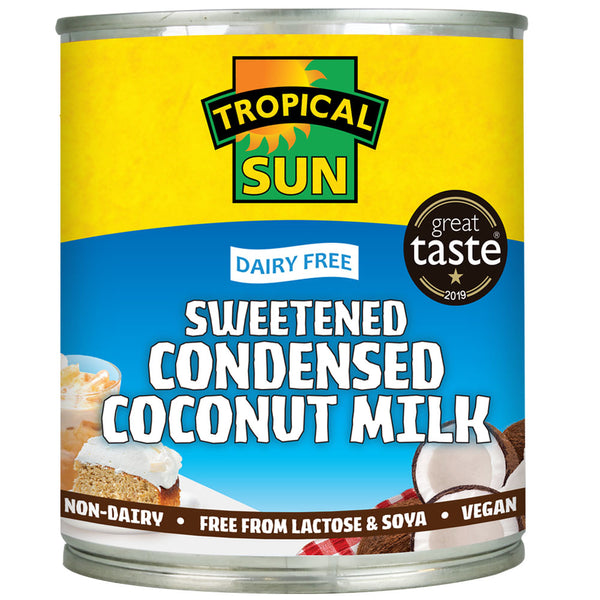
The Role of Subsidies in the Production and Pricing of Coconut Milk in Different Countries
Coconut milk has gained popularity as a nutritious and delicious alternative to dairy milk. It is widely used in various cuisines around the world, from South Asian curries to Caribbean desserts. However, the production and pricing of coconut milk can vary significantly between different countries due to various factors, including subsidies.
In this article, we will explore the role of subsidies in the production and pricing of coconut milk across several key coconut-producing countries. We will examine how these subsidies impact farmers, manufacturers, consumers, and global markets.
1. Thailand:
Thailand is one of the largest producers of coconuts globally, making it a significant player in the coconut milk industry. The Thai government provides substantial subsidies to support its coconut farmers through programs such as price stabilization schemes and direct financial assistance. These subsidies aim to ensure stable incomes for farmers while maintaining affordable prices for consumers.
By providing financial support to farmers, Thailand encourages them to continue cultivating coconuts rather than switching to other more profitable crops. This helps maintain a steady supply of raw materials for coconut milk production within the country.
Moreover, these subsidies allow Thai manufacturers to produce coconut milk at lower costs since they can purchase coconuts at subsidized rates. As a result, Thai coconut milk tends to be more competitively priced on both domestic and international markets.
2. Indonesia:
Indonesia is another major player in global coconut production but takes a slightly different approach regarding subsidies compared to Thailand. While Indonesian farmers do receive some forms of government support such as technical assistance and access to credit facilities, direct subsidies are not as prevalent.
Instead of relying heavily on government funds or price stabilization schemes like their Thai counterparts, Indonesian farmers often form cooperatives or associations that negotiate with buyers collectively. These groups help ensure fair prices are paid by buyers while also providing necessary resources like training and equipment.
Due to less reliance on direct subsidies, the pricing of coconut milk in Indonesia is determined primarily by market forces. However, the absence of significant government support can sometimes create challenges for farmers, particularly during periods of low market prices or natural disasters.
3. Philippines:
The Philippines is renowned for its coconut industry and is one of the largest producers and exporters of coconut-based products globally. The government plays a vital role in supporting coconut farmers through various subsidy programs.
One such program is the Coconut Farmers and Industry Development Fund (CFIDF), which aims to enhance productivity, increase farm incomes, and develop downstream industries related to coconuts. This fund helps subsidize inputs like fertilizers, seedlings, and farm equipment while also providing financial assistance to small-scale coconut farmers.
These subsidies have a positive impact on both coconut milk production and pricing in the country. They enable Philippine manufacturers to produce coconut milk at competitive prices while ensuring that farmers receive fair compensation for their efforts.
4. United States:
In countries like the United States where coconuts are not cultivated domestically but imported from other regions like Southeast Asia or Latin America, subsidies play a different role in determining the production and pricing dynamics of coconut milk.
The U.S. government does not provide specific subsidies targeting coconut producers directly; however, it does offer general agricultural subsidy programs that indirectly affect imported commodities like coconuts. These programs aim to support American farmers by providing financial assistance or price guarantees on certain crops grown domestically.
Since domestic agriculture receives substantial support from these programs, American consumers often pay less for locally produced dairy milk compared to imported alternatives like coconut milk. This price difference can influence consumer choices when deciding between dairy milk or plant-based alternatives like coconut milk.
Additionally, import tariffs imposed by governments can further impact the pricing of imported goods such as canned or packaged coconut milk in countries like the United States.
5. Global Impact:
Subsidies provided by different countries can have an impact on global coconut milk markets. For instance, when countries like Thailand or the Philippines heavily subsidize their coconut industries, it can lead to increased production and lower prices on the international market.
This situation may put pressure on farmers in other countries where subsidies are less prevalent or non-existent. They might struggle to compete with the artificially low prices of subsidized products from more heavily supported regions.
Moreover, fluctuations in subsidy policies or changes in global trade agreements can also affect the pricing dynamics of coconut milk. Sudden reductions or eliminations of subsidies can lead to price shocks and volatility within the industry.
In conclusion, subsidies play a significant role in shaping the production and pricing of coconut milk across different countries. They impact farmers by ensuring stable incomes, manufacturers by reducing production costs, consumers by influencing affordability, and global markets through competition dynamics. Understanding these subsidy systems is essential for gaining insights into how coconut milk is produced and priced worldwide.

Leave a Reply