Interviewer: Today we have the pleasure of speaking with Dr. Sarah Thompson, a registered dietitian and nutritionist, who will shed some light on the health benefits of flaxseeds and how they can be incorporated into a healthy eating plan.
Interviewer: Thank you for joining us today, Dr. Thompson. Let’s start by discussing what exactly flaxseeds are and why they have gained popularity in recent years.
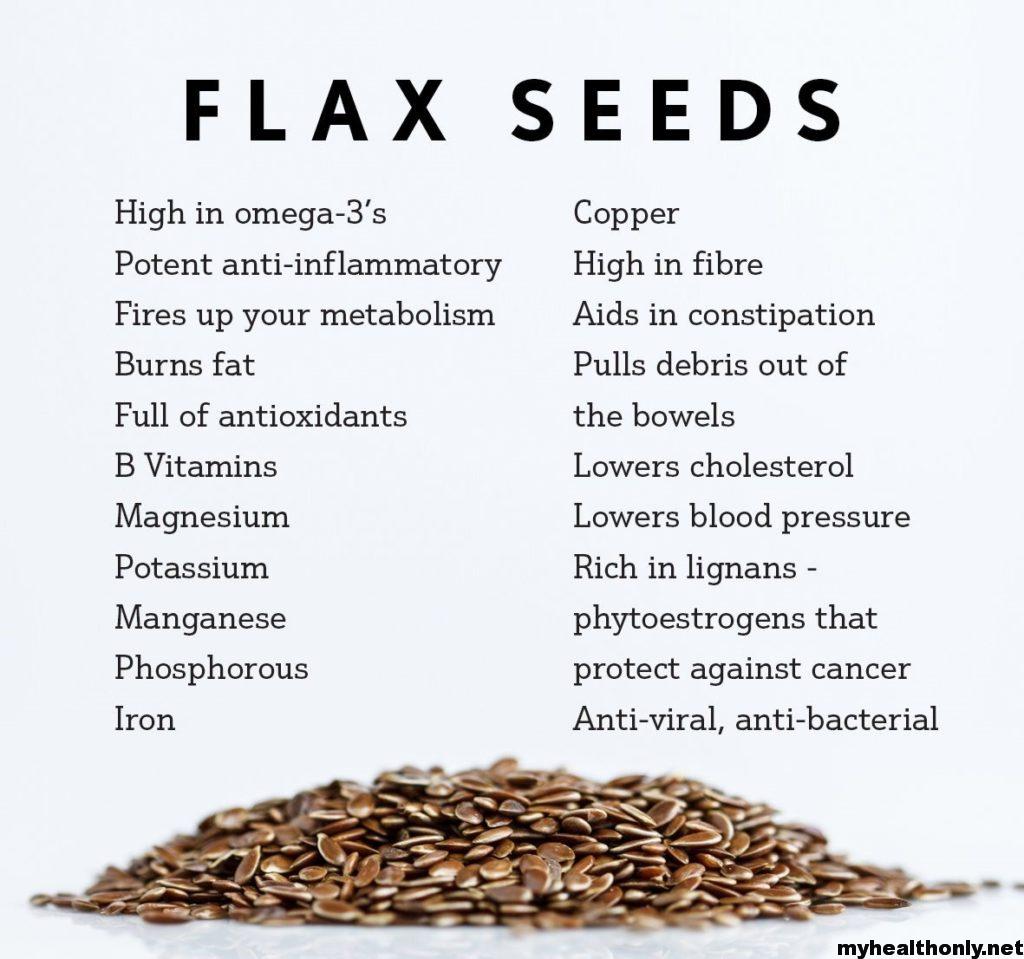
Dr. Thompson: Flaxseeds are small, brown or golden seeds that come from the flax plant (Linum usitatissimum). They have been used for thousands of years for their nutritional properties but have recently gained attention due to their rich content of omega-3 fatty acids, fiber, antioxidants, and other beneficial compounds.
Interviewer: Can you explain the role of omega-3 fatty acids in our diets?
Dr. Thompson: Omega-3 fatty acids play a crucial role in maintaining overall health. They are known as essential fats because our bodies cannot produce them naturally; therefore, we need to obtain them from food sources like flaxseeds. These fatty acids help reduce inflammation in the body, support brain function, promote heart health by lowering cholesterol levels and blood pressure, and may even aid in preventing chronic diseases such as cardiovascular disease and certain types of cancer.
Interviewer: That sounds impressive! What other nutritional benefits do flaxseeds offer?
Dr. Thompson: Flaxseeds are an excellent source of dietary fiber – both soluble and insoluble fibers – which aids digestion and promotes bowel regularity. The high fiber content helps regulate blood sugar levels by slowing down carbohydrate absorption after meals. Additionally, flaxseeds contain lignans – phytoestrogens that possess antioxidant effects and may help balance hormone levels within the body.
Flaxseeds also provide minerals like magnesium, manganese, phosphorus, copper, iron zinc along with B-vitamins like thiamine, niacin, and folate. These nutrients are essential for various bodily functions including energy production, bone health, and immune system support.
Interviewer: How can flaxseeds be incorporated into a healthy eating plan?
Dr. Thompson: Flaxseeds have a mild nutty flavor that pairs well with many foods. They can be consumed in several forms – whole seeds, ground seeds (also known as flaxseed meal), or oil.
Whole flaxseeds are best when soaked or ground before consumption to ensure proper digestion and nutrient absorption. The outer shell of the seed is tough and indigestible unless broken down first. Grinding the seeds also increases their surface area, allowing for better absorption of their beneficial components.
Ground flaxseeds can be added to smoothies, yogurt, oatmeal, baked goods like muffins or breads, or sprinkled on top of salads and roasted vegetables for an extra nutritional boost.
Flaxseed oil is another option but should not be used for cooking due to its low smoke point. Instead, it can be drizzled over dishes after cooking or incorporated into salad dressings.
Interviewer: Are there any precautions people should take when consuming flaxseeds?
Dr. Thompson: Yes, there are a few things to keep in mind. First off, if you have certain medical conditions such as irritable bowel syndrome (IBS) or diverticulitis where fiber-rich foods may aggravate symptoms, it’s important to consult with your healthcare provider before incorporating significant amounts of flaxseeds into your diet.
Secondly, pregnant women should exercise caution as high doses of flaxseed supplementation could potentially affect hormone levels during pregnancy.
Lastly, individuals taking blood-thinning medications should speak with their doctor before significantly increasing their intake of omega-3 fatty acids through sources like flaxseeds since they possess mild anticoagulant properties.
Interviewer: Thank you for those important considerations. Are there any other tips or suggestions you would like to share regarding flaxseeds?
Dr. Thompson: Absolutely! When purchasing flaxseeds, it’s best to opt for organic varieties whenever possible and store them in a cool, dark place to maintain their freshness and prevent oxidation of the healthy fats they contain.
It’s also essential to consume flaxseeds in moderation as part of a well-balanced diet. While they offer numerous health benefits, they should not be viewed as a magic solution. Incorporating various nutrient-rich foods into your diet is key for overall health.
Lastly, always remember that individual needs may vary based on age, sex, activity level, and existing medical conditions. Consulting with a registered dietitian or healthcare professional can help ensure personalized guidance regarding the incorporation of flaxseeds into your specific dietary needs.
Interviewer: Thank you so much for sharing your expertise with us today, Dr. Thompson! This has been incredibly informative and helpful for our readers looking to enhance their healthy eating habits.
Dr. Thompson: You’re very welcome! I’m glad I could provide valuable information about the benefits of incorporating flaxseeds into a healthy eating plan. Remember to enjoy them as part of an overall balanced diet and lifestyle – one small seed can make a big difference in your health journey!

Leave a Reply