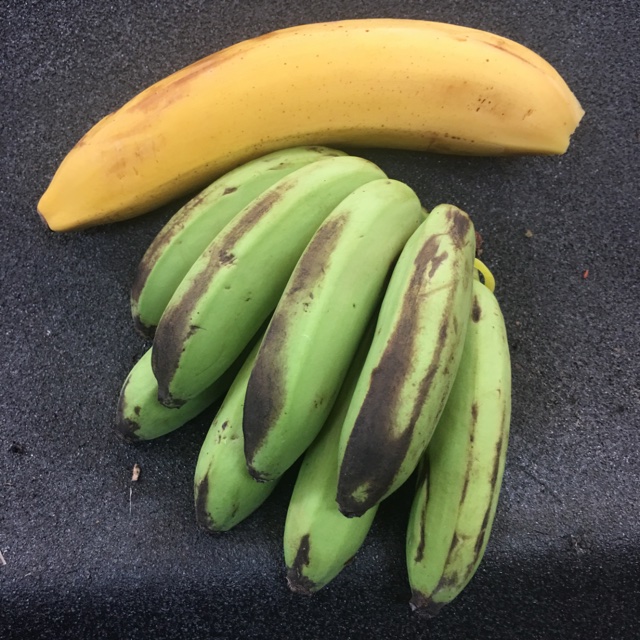
Welcome to our healthy eating website! Today, we are going to dive deep into the world of bananas. You might think that a banana is just a banana, but did you know that there are actually different types of bananas? Each type has its own unique flavor profile, nutritional benefits, and culinary uses. So let’s get started and explore the wonderful world of these delicious and nutritious fruits.
1. Cavendish Bananas:
The most common type of banana found in supermarkets around the world is the Cavendish banana. It has a creamy texture with a mild yet sweet taste. These bananas are perfect for eating raw or adding to smoothies and desserts due to their soft consistency when ripe. They also contain essential nutrients like potassium, vitamin C, vitamin B6, and dietary fiber.
2. Lady Finger Bananas:
Also known as baby bananas or petite bananas, Lady Finger bananas are smaller in size compared to traditional Cavendish bananas. Despite their small stature, they pack quite a punch when it comes to flavor – they have a sweeter taste with hints of honey and vanilla notes. Lady Finger bananas are great for snacking on their own or adding them as toppings on oatmeal bowls or yogurt parfaits.
3. Red Bananas:
As the name suggests, red bananas have an eye-catching reddish-purple peel instead of the typical yellow color associated with most other varieties. The flesh inside is creamier than regular yellow bananas and has a slightly fruity flavor reminiscent of berries mixed with traditional banana taste. Red bananas can be enjoyed both raw and cooked; try grilling them for an extra caramelized touch or using them in baking recipes like breads or cakes.
4. Plantains:
Plantains may resemble regular yellow Cavendish bananas at first glance but don’t let that fool you – they are very different from your average fruit! Unlike sweet dessert-style fruits eaten fresh out of hand, plantains are starchy and need to be cooked before eating. They are a staple in many tropical cuisines, especially in Latin American and African dishes. Plantains can be boiled, fried, or baked and are often used as a side dish or ingredient in savory meals.
5. Blue Java Bananas:
Also known as Ice Cream bananas due to their creamy texture, the Blue Java bananas have a unique appearance with pale blue skin when fully ripe. The flesh inside is soft and has a flavor reminiscent of vanilla custard or ice cream. These bananas can be eaten raw but also work well for making frozen treats like banana ice cream. Their distinct taste profile makes them an interesting addition to smoothies as well.
6. Pisang Raja:
Originating from Malaysia, Pisang Raja (King Banana) is highly regarded for its superior taste and aroma compared to other varieties. It has a rich sweetness combined with hints of citrus flavors that make it truly delightful to eat on its own or incorporate into desserts like pies or tarts.
7. Burro Bananas:
Burro bananas are shorter and plumper than traditional Cavendish bananas with thick peels that turn yellow when ripe. They have a tangy-sweet flavor similar to lemon custard with undertones of apple notes. This variety is perfect for baking due to its moist consistency; you can use them in muffins, bread, or even pancakes for an extra burst of flavor.
In conclusion, there’s more than meets the eye when it comes to bananas! From the familiar Cavendish variety found at your local supermarket to exotic options like Red bananas and Blue Java bananas – each type offers its own unique taste experience while providing essential nutrients such as potassium, vitamin C, and dietary fiber.
Next time you’re at the grocery store or farmers market, consider trying out some different types of bananas – expand your culinary horizons while enjoying the health benefits they offer!

Leave a Reply