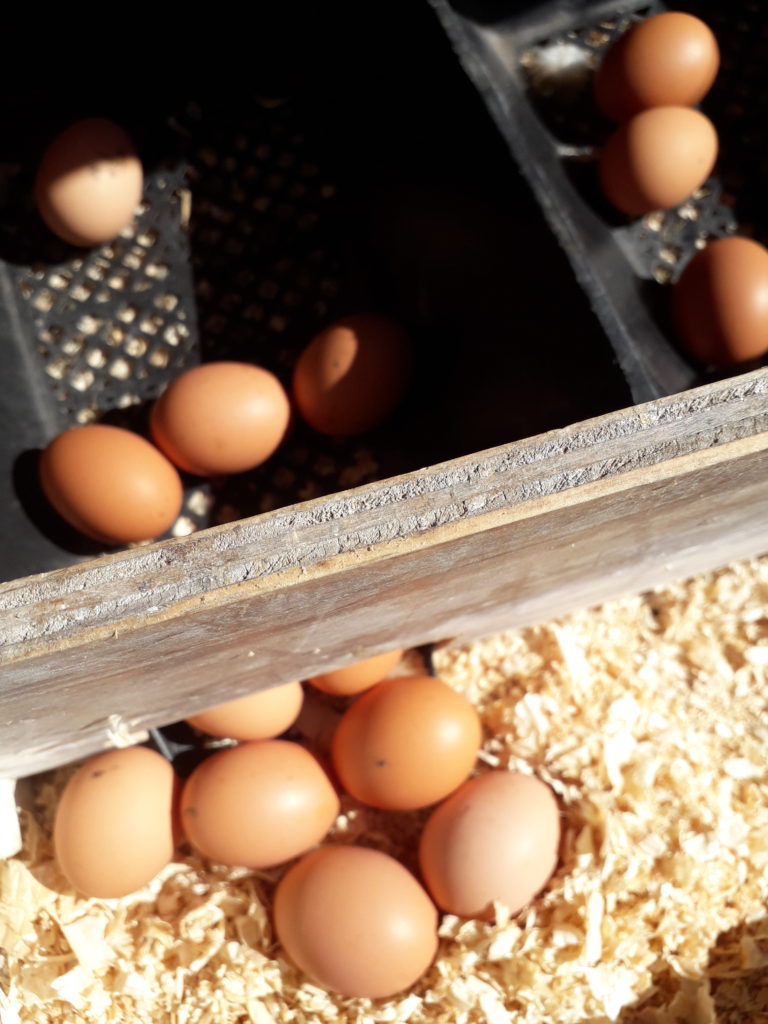
Free-range eggs have gained significant popularity in recent years as more consumers prioritize ethical and sustainable food choices. These eggs come from hens that are not confined to cages and are allowed to roam freely, foraging for their own food. While the welfare of the hens is often the primary motivation behind buying free-range eggs, there are also several financial benefits associated with selling them.
One key advantage of selling free-range eggs is higher profit margins. Free-range egg production requires a larger initial investment compared to conventional methods, as it involves providing suitable outdoor space for the hens to roam and ensuring their safety from predators. However, this investment can pay off in the long run. With growing consumer demand for ethically sourced products, free-range eggs command a premium price in the market. The higher retail price allows producers to generate more revenue per dozen compared to conventional eggs.
Moreover, free-range egg production can be a profitable venture due to reduced input costs. Hens that have access to outdoor spaces can supplement their diet by foraging on grasses, insects, and other natural food sources. This reduces the reliance on expensive commercial feed and lowers feed costs significantly over time.
Additionally, by allowing hens to express natural behaviors such as scratching and pecking outdoors, they tend to be healthier overall. This means lower veterinary expenses since they require fewer medications or treatments typically associated with intensive confinement systems.
Selling free-range eggs also opens up opportunities for farm diversification. Many small-scale farmers have successfully integrated egg production into their existing operations or diversified solely into poultry farming due to its profitability potential. By capitalizing on consumer preferences for high-quality animal products produced using sustainable practices, farmers can tap into niche markets that may offer better returns than traditional agricultural commodities.
Furthermore, producing free-range eggs aligns with current government incentives promoting sustainable agriculture practices. In many countries worldwide, governments provide financial support through grants or subsidies aimed at encouraging farmers’ transition to more environmentally friendly and animal welfare-focused production systems. Taking advantage of these programs can further boost the financial benefits associated with free-range egg production.
In conclusion, selling free-range eggs not only promotes ethical and sustainable farming practices but also presents several financial advantages for producers. The higher profit margins, reduced input costs, potential for farm diversification, and government incentives all contribute to making free-range egg production a financially viable option. As consumer demand continues to rise for these ethically sourced products, farmers stand to benefit both morally and economically by choosing this approach to egg production.

Leave a Reply