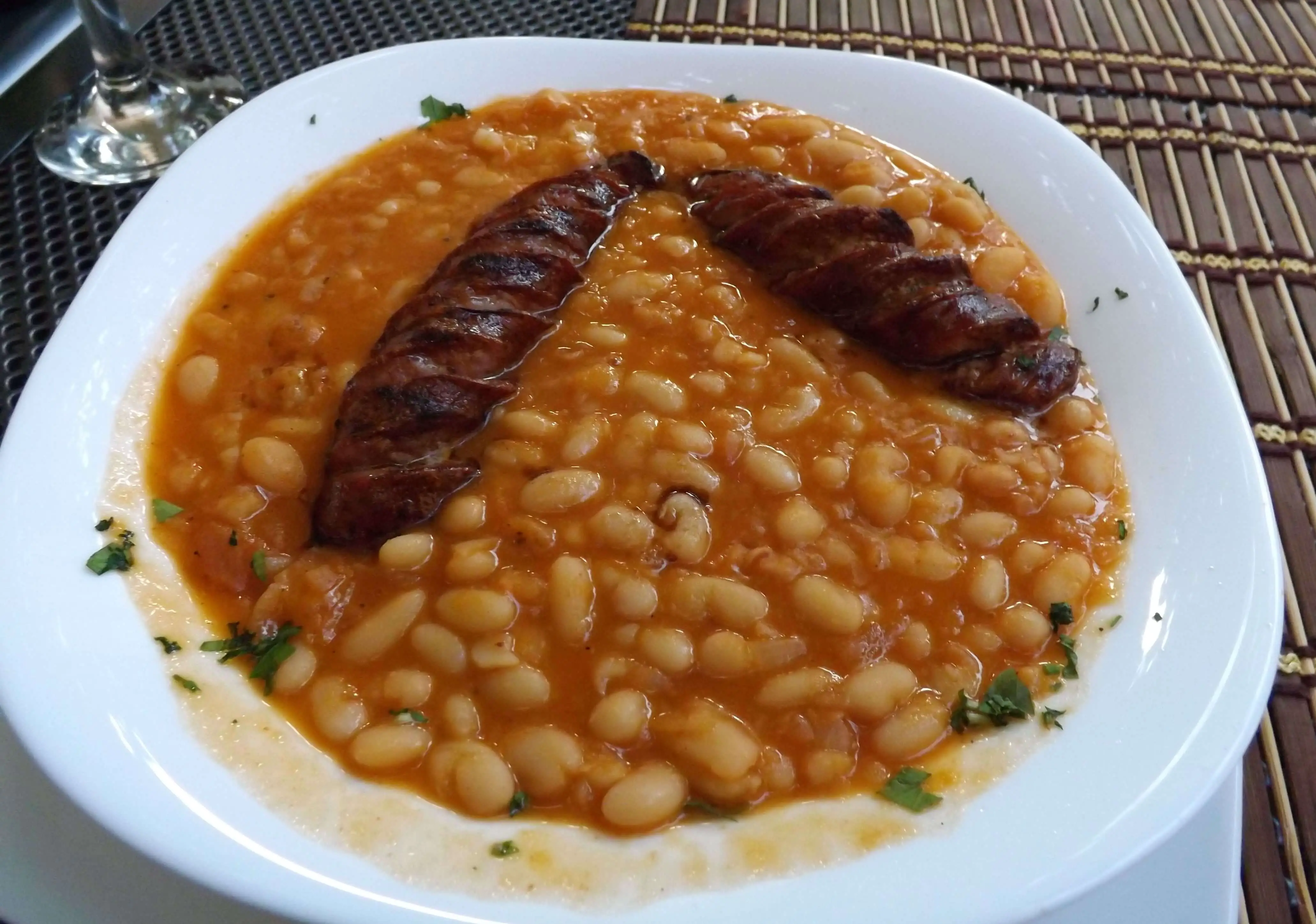
Eastern Europe: A Treasure Trove of Healthy Eating
Introduction:
When it comes to healthy eating, Eastern Europe might not be the first region that comes to mind. However, this often-overlooked part of the continent is a hidden gem when it comes to wholesome and nutritious cuisine. With its rich history and diverse cultural influences, Eastern European countries offer a wide array of traditional dishes that are not only delicious but also nourishing. In this article, we will take a deep dive into the culinary traditions of Eastern Europe and explore some of the healthiest foods and cooking practices from this fascinating region.
1. The Power of Local Ingredients:
One common thread throughout Eastern European cuisine is an emphasis on local ingredients. From fresh produce to dairy products and meats, using locally sourced ingredients ensures freshness and supports sustainable agriculture. Many countries in Eastern Europe are blessed with fertile lands perfect for growing vegetables, fruits, grains, and herbs.
2. Hearty Soups as Staple Fare:
In many Eastern European countries, soup takes center stage as a staple dish in their culinary repertoire. Traditional soups like borscht (beetroot soup), kapustnica (sauerkraut soup), solyanka (meat-based soup), or shkembe chorba (tripe soup) are not only comforting but also packed with nutrients.
These soups often feature a variety of vegetables such as cabbage, carrots, potatoes, onions along with flavorful herbs like dill or parsley. These combinations provide a great source of vitamins and minerals while delivering flavors that warm both body and soul.
3. Wholesome Whole Grains:
Grains play an essential role in Eastern European diets. Buckwheat is particularly popular in countries like Russia or Ukraine where it’s used widely in dishes such as kasha – a hearty porridge made from roasted buckwheat groats.
Another staple grain is barley which finds its way into soups, stews, and salads. Barley is not only a good source of dietary fiber but also contains essential minerals like manganese and selenium.
Rye bread is a beloved Eastern European staple that has been enjoyed for centuries. This dark, dense bread is rich in nutrients and higher in fiber than its wheat counterparts.
4. Fermented Foods: A Gateway to Gut Health:
Fermented foods have long been recognized for their health benefits, and Eastern European cuisine offers plenty of options in this department. Sauerkraut, made from fermented cabbage, is widely consumed across the region as a side dish or ingredient for various traditional dishes.
Kefir, a fermented milk beverage packed with probiotics, originated from the Caucasus region but has gained popularity throughout Eastern Europe. It is known for aiding digestion and supporting gut health.
5. Fresh Vegetables: From Gardens to Table:
Eastern Europeans have a strong connection to their land and often grow their own vegetables during the summer months. This practice ensures access to fresh produce while promoting physical activity through gardening.
Tomatoes, cucumbers, peppers, eggplants are commonly grown in home gardens throughout the region. The taste of freshly picked vegetables adds an unparalleled freshness to salads or simple vegetable-based dishes that are popular during warm summer days.
6. Seafood Delights:
While many countries in Eastern Europe may not have direct access to the sea themselves; they still enjoy an abundance of freshwater fish due to numerous lakes and rivers scattered across the region. Fish such as pike-perch (zander), trout or carp find their way onto dining tables prepared simply with herbs or served alongside seasonal vegetables.
7. Mindful Cooking Practices:
Eastern European cooking traditions often involve slow-cooking methods that help preserve nutrients while enhancing flavors over time. Whether it’s simmering soups on low heat for hours or baking wholesome bread using sourdough starters – these practices ensure food retains its nutritional value.
Conclusion:
Eastern Europe, often overlooked in the realm of healthy eating, offers a wealth of culinary traditions that emphasize locally sourced ingredients, hearty soups, wholesome grains, fermented foods, fresh vegetables, and mindful cooking practices. Exploring the diverse cuisines of this region not only introduces us to new flavors but also provides valuable insights into how traditional diets can be both delicious and nourishing. So next time you’re looking for inspiration to diversify your healthy eating habits, don’t forget to consider Eastern European cuisine as a hidden treasure trove waiting to be explored.

Leave a Reply