Food Forests: A Sustainable Approach to Healthy Eating
In recent years, there has been a growing interest in sustainable and regenerative farming practices. One such practice gaining popularity is the concept of food forests. Food forests are designed ecosystems that mimic natural forests, but instead of focusing solely on timber production, they prioritize edible plants.
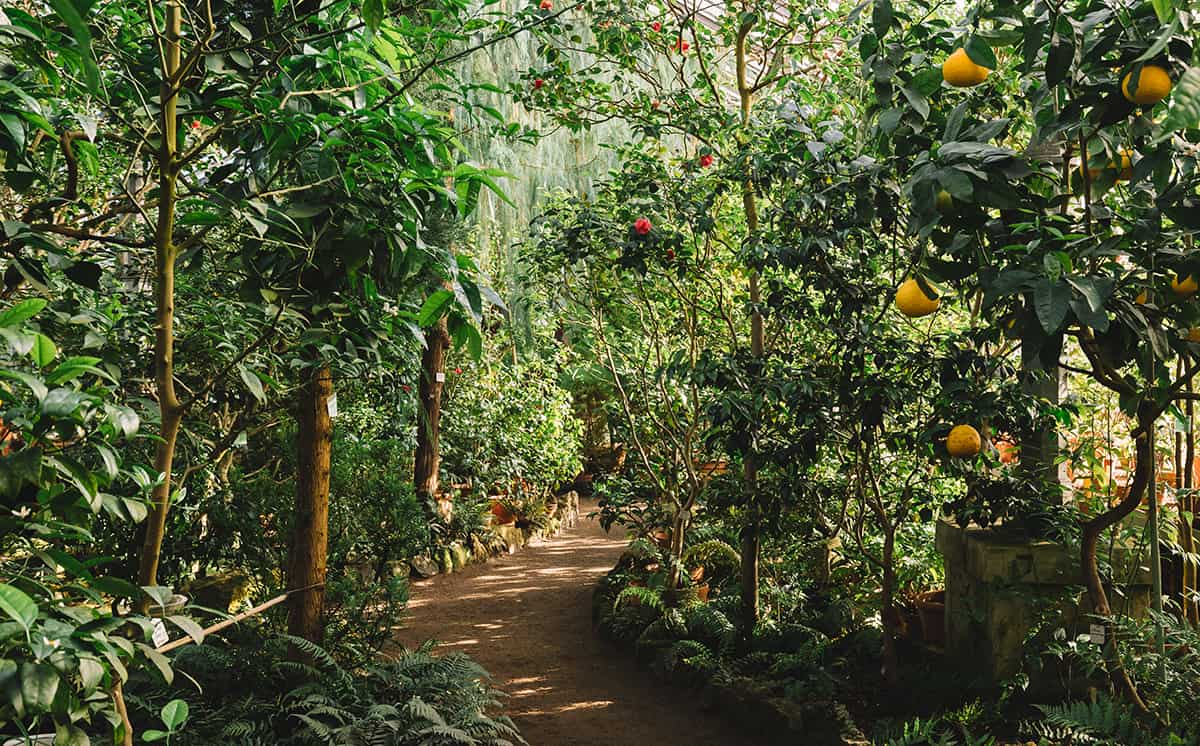
At its core, a food forest consists of several layers of vegetation, each serving a unique purpose. The canopy layer comprises tall fruit or nut trees like apple or walnut trees; these provide shade and protection for the lower layers. Underneath the canopy lies the understory layer, which includes smaller fruit trees and shrubs like blueberries or raspberries. Next is the herbaceous layer with herbs and vegetables such as basil or lettuce. Then comes the ground cover layer consisting of low-growing plants like strawberries or mint. Finally, there’s the root layer with tubers and other root crops such as carrots or potatoes.
The beauty of food forests lies in their ability to create a self-sustaining ecosystem where plants work together harmoniously. For example, nitrogen-fixing plants like legumes help enrich the soil by converting atmospheric nitrogen into a form usable by other plants. This eliminates the need for synthetic fertilizers while promoting healthy plant growth.
Food forests also promote biodiversity by attracting beneficial insects and birds that aid in pest control and pollination. By incorporating native plant species into food forests, we can support local ecosystems and protect endangered flora and fauna.
Beyond environmental benefits, food forests offer numerous health advantages to individuals adopting this approach to gardening. Firstly, they provide access to fresh organic produce right at home without relying heavily on commercial agriculture systems that may use pesticides or preservatives.
Secondly, food forests encourage diverse diets as they offer an array of fruits, vegetables, nuts, herbs, and spices throughout different seasons—ensuring nutrient-rich meals year-round.
Moreover, tending to a food forest can be an enjoyable and stress-relieving activity. Gardening has been linked to improved mental well-being, reduced anxiety, and increased physical activity.
Whether you have a small backyard or a large plot of land, food forests can be scaled to fit any space. They are highly adaptable and can be customized to suit local climate conditions, soil types, and personal preferences.
In conclusion, food forests offer an innovative and sustainable solution for individuals seeking healthier eating habits. By emulating natural ecosystems while focusing on edible plants, we can not only nourish ourselves but also contribute positively to the environment around us. So why not consider creating your own little food forest oasis?

Leave a Reply