Food Preservation Techniques: A Comprehensive Guide to Healthy Eating
Introduction:
In today’s fast-paced world, it can be challenging to consistently access fresh and ripe produce. That’s where food preservation techniques come into play. By preserving fruits, vegetables, and other perishable items, we can extend their shelf life while maintaining their nutritional value. In this guide, we will explore various food preservation methods that promote healthy eating and help reduce food waste.
1. Canning:
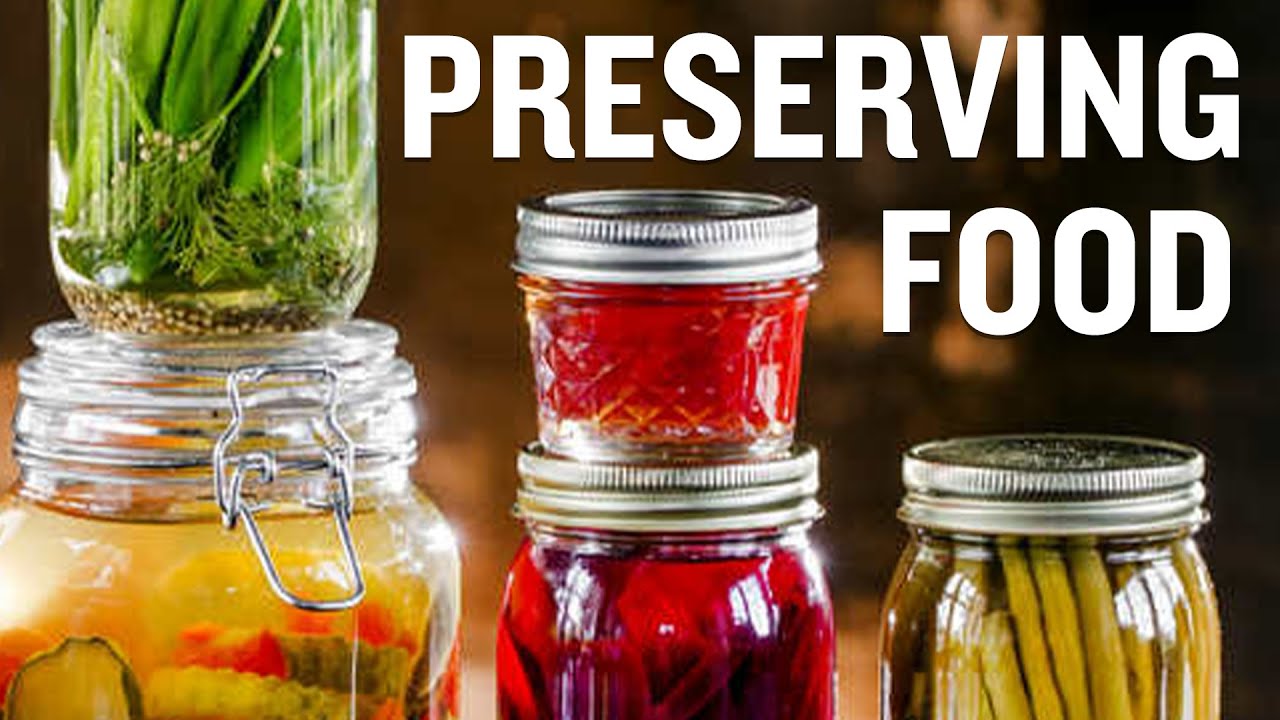
Canning is a popular method of long-term food preservation that involves sealing food in jars or cans. This technique destroys bacteria, yeasts, and molds present in the food by subjecting them to high heat while creating a vacuum seal to prevent recontamination.
To get started with canning, you’ll need glass jars with lids and bands suitable for preserving foods. The process typically involves cleaning the jars thoroughly before filling them with prepared foods like jams, jellies, pickles, or sauces.
After filling the jars with hot liquid or semi-solid contents (following specific recipes), they are sealed using boiling water baths or pressure canners depending on the acidity level of the ingredients. It’s important to follow proper procedures for processing time and temperature based on guidelines provided by reputable sources such as the National Center for Home Food Preservation (NCHFP).
2. Freezing:
Freezing is one of the most straightforward methods of preserving foods at home since it only requires a freezer set at 0°F (-18°C). This technique helps retain nutrients like vitamins and minerals while preventing bacterial growth.
To successfully freeze foods:
a) Start by selecting fresh fruits and vegetables at peak ripeness.
b) Wash them thoroughly under running water.
c) Blanch vegetables briefly in boiling water followed by an ice bath to stop cooking.
d) Cut fruits into desired sizes; remove pits or seeds if necessary.
e) Pack prepared fruits or vegetables tightly in freezer-safe bags or containers.
f) Label the packages with the name and date to ensure proper rotation.
g) Place them in the freezer, making sure not to overload it.
By following these steps, you can enjoy your favorite produce even when they are out of season. Additionally, freezing is an excellent technique for preserving herbs and homemade sauces.
3. Drying:
Drying or dehydration involves removing moisture from food items to inhibit bacterial growth and prolong shelf life. This method has been used for centuries and is still widely practiced today.
To dry foods at home:
a) Select fresh fruits, vegetables, or herbs without any signs of decay.
b) Wash them carefully under running water.
c) Slice or chop into uniform pieces to promote even drying.
d) Arrange the prepared ingredients on drying racks or trays.
e) Use a dehydrator set at the appropriate temperature (usually between 120°F-140°F / 50°C-60°C).
f) Alternatively, use an oven set at low temperatures with the door slightly open to allow airflow.
g) Dry until foods become leathery or brittle but not overly crisp.
h) Store dried items in airtight containers in a cool and dark place.
Dried fruits like apples, bananas, and apricots make delicious snacks while dried herbs can be used as flavoring agents in various recipes. Vegetables like tomatoes can be dried and rehydrated later for stews or soups.
4. Fermentation:
Fermentation is a traditional preservation technique that relies on beneficial bacteria converting sugars into organic acids or alcohol. This process not only extends shelf life but also enhances flavors while increasing nutritional value by providing probiotics.
To harness fermentation’s benefits:
a) Choose fresh vegetables like cabbage for sauerkraut, cucumbers for pickles, or carrots for kimchi.
b) Clean all utensils thoroughly using hot soapy water before starting.
c) Shred or chop vegetables into desired sizes.
d) Add salt to the vegetables and allow them to sit for a while to release moisture.
e) Pack the vegetables tightly in sterilized glass jars, leaving some headspace.
f) Ensure that all the vegetables are submerged under their own liquid (brine).
g) Place an airlock or use a clean cloth secured with a rubber band over the jar’s opening.
h) Store the jars at room temperature away from direct sunlight.
Fermentation can take anywhere from a few days to several weeks, depending on factors like temperature and personal preference. Once fermented, these foods can be enjoyed as side dishes or incorporated into various recipes.
Conclusion:
Food preservation techniques are invaluable tools for promoting healthy eating habits while reducing food waste. Whether you choose canning, freezing, drying, or fermentation, each method has its unique benefits and applications. By preserving your favorite fruits, vegetables, and other perishable items using these techniques, you can enjoy fresh produce year-round. So go ahead and explore different preservation methods to ensure that nutritious meals are always within reach!

Leave a Reply