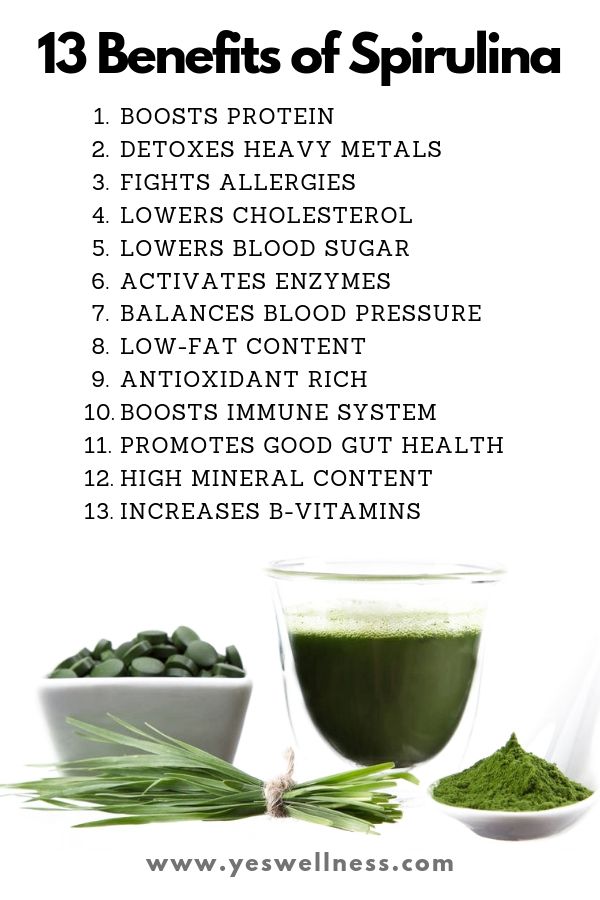
Spirulina, a blue-green algae, has gained popularity in recent years as a superfood with numerous health benefits. This nutrient-rich algae is packed with essential vitamins, minerals, and antioxidants that can support various aspects of our well-being. In this article, we will explore some of the potential benefits of spirulina and how it can positively impact different areas of our health.
1. Spirulina as a potential treatment for allergies:
Allergies can be debilitating and affect millions of people worldwide. Research suggests that spirulina may have anti-inflammatory properties that could help alleviate allergy symptoms. Studies have shown that spirulina’s active compounds, such as phycocyanin and beta-carotene, may help regulate immune responses and reduce inflammation caused by allergies.
2. The impact of spirulina on gut health:
Maintaining a healthy gut is crucial for overall well-being. Spirulina contains high amounts of fiber, which acts as food for beneficial gut bacteria. These bacteria play an important role in digestion and nutrient absorption while also supporting the immune system. Incorporating spirulina into your diet may promote good gut health.
3. Spirulina’s role in reducing oxidative stress:
Oxidative stress occurs when there is an imbalance between free radicals (harmful molecules) and antioxidants in the body. This imbalance can lead to cellular damage and contribute to chronic diseases like cancer and heart disease. Spirulina is rich in antioxidants like beta-carotene, vitamin C, E, selenium, and phycocyanin – all known for their ability to neutralize free radicals and reduce oxidative stress.
4. Spirulina and its effects on blood pressure regulation:
High blood pressure affects many individuals worldwide and increases the risk of heart disease if left unmanaged. Some studies suggest that consuming spirulina regularly may help lower blood pressure levels due to its vasodilatory effects – the ability to widen blood vessels and improve circulation. However, more research is needed to fully understand its impact on blood pressure regulation.
5. Exploring the anti-inflammatory properties of spirulina:
Chronic inflammation is linked to numerous health conditions like arthritis, obesity, and heart disease. Spirulina has been found to possess powerful anti-inflammatory properties that can help reduce inflammation in the body. Its active compounds inhibit the production of inflammatory markers, potentially alleviating symptoms associated with chronic inflammation.
6. The potential benefits of spirulina for brain health and cognitive function:
As we age, it’s natural for our cognitive function to decline. However, certain lifestyle choices can support brain health. Spirulina contains various nutrients that may contribute to improved cognitive function and protect against age-related neurodegenerative diseases like Alzheimer’s or Parkinson’s disease. Preliminary studies suggest that spirulina’s antioxidants and anti-inflammatory properties may have a positive impact on brain health.
7. Spirulina’s role in supporting weight loss efforts:
Maintaining a healthy weight is essential for overall well-being, but it can be challenging for many individuals. Incorporating spirulina into a balanced diet may aid weight loss efforts due to its high protein content and low calorie density. Protein helps promote satiety while boosting metabolism – both crucial factors in achieving sustainable weight loss.
8. Investigating the use of spirulina in managing diabetes:
Managing diabetes requires careful attention to diet and lifestyle choices. Some studies suggest that spirulina supplementation may help regulate blood sugar levels by improving insulin sensitivity and reducing oxidative stress – two key factors in managing diabetes effectively.
9. Spirulina as a natural remedy for sinusitis and respiratory issues:
Sinusitis can cause discomfort and affect daily activities due to congestion, headaches, or facial pain caused by inflamed sinuses. Research suggests that consuming spirulina regularly may alleviate symptoms associated with sinusitis by reducing inflammation and boosting the immune system’s response.
10. The impact of spirulina on athletic performance and endurance:
Athletes are constantly seeking ways to improve their performance and enhance endurance. Spirulina’s rich nutrient profile, including vitamins, minerals, antioxidants, and protein, makes it an attractive supplement for athletes. Some studies suggest that spirulina may improve exercise performance by reducing oxidative stress and inflammation while increasing endurance levels.
11. Spirulina’s potential role in improving fertility and reproductive health:
Infertility affects many couples worldwide, with various factors contributing to the issue. Some research suggests that spirulina’s antioxidant properties may help protect reproductive organs from oxidative damage, thus improving fertility outcomes. However, more studies are needed to fully understand its impact on reproductive health.
12. Exploring the effects of spirulina on liver detoxification processes:
The liver plays a crucial role in detoxifying harmful substances from our bodies. Studies have shown that spirulina can enhance certain liver enzymes responsible for detoxification processes while reducing lipid peroxidation – all of which contribute to improved liver function.
13. The use of spirulina in managing chronic fatigue syndrome (CFS):
Chronic Fatigue Syndrome (CFS) is a complex condition characterized by persistent fatigue that cannot be explained by other medical conditions. While there is no cure for CFS, some studies suggest that spirulina supplementation may alleviate symptoms like fatigue and improve overall well-being due to its nutritional content and potential anti-inflammatory effects.
14: Spirulina’s potential benefits for managing symptoms of ADHD/ADD:
Attention Deficit Hyperactivity Disorder (ADHD) affects both children and adults alike, impairing focus, attention span, hyperactivity levels, or impulsivity control. While not a standalone treatment option for ADHD/ADD symptoms management,
some preliminary research suggests that incorporating spirulina into a balanced diet may potentially support brain health and cognitive function – areas impacted by ADHD/ADD.
15. Investigating the use of spirulina as an immune system booster:
A strong immune system is vital for fighting off infections and diseases. Spirulina’s rich nutrient profile, including vitamins, minerals, and antioxidants, may help strengthen the immune system. Its active compounds have shown potential in enhancing immune response and reducing inflammation.
16. The impact of spirulina on cholesterol levels and cardiovascular health:
High cholesterol levels are a risk factor for heart disease. Some studies suggest that spirulina may help lower LDL (bad) cholesterol while increasing HDL (good) cholesterol levels due to its antioxidant properties and ability to regulate lipid metabolism. However, more research is needed to establish definitive conclusions.
17: Spirulina’s role in promoting healthy hair:
Aside from its internal benefits, spirulina can also contribute to healthier hair externally. Due to its high protein content – essential for hair growth – consuming or applying spirulina-based products may improve hair strength, reduce breakage, and promote overall scalp health.
In conclusion, spirulina offers a wide range of potential health benefits across various aspects of our well-being. From allergies to weight loss support, brain health to liver detoxification processes – this superfood has caught the attention of researchers worldwide due to its rich nutritional content and potential therapeutic properties. Incorporating spirulina into your diet or considering supplementation could be a valuable addition to supporting your overall health journey.

Leave a Reply