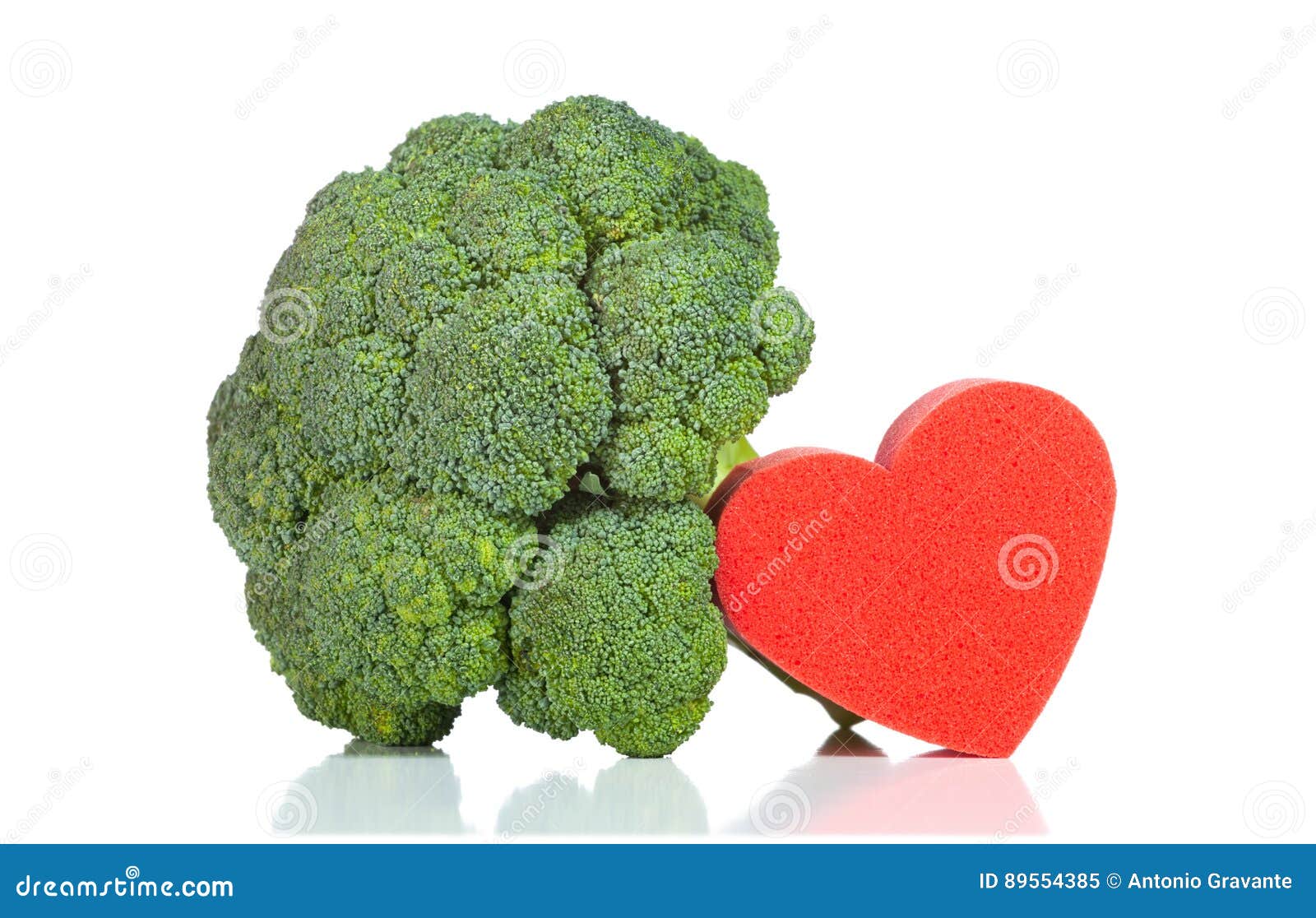
Broccoli and Heart Health: A Cruciferous Connection
When it comes to heart health, we often hear about the importance of maintaining a balanced diet and incorporating nutrient-rich foods. One vegetable that stands out in this regard is broccoli. Known for its vibrant green color and distinctive taste, broccoli has long been recognized as a nutritional powerhouse. But did you know that it also plays a significant role in promoting heart health?
Loaded with essential vitamins, minerals, and antioxidants, broccoli offers numerous benefits that can help protect your cardiovascular system. One key component found in broccoli is fiber. Fiber helps regulate cholesterol levels by binding to cholesterol in the digestive tract and preventing its absorption into the bloodstream. This process leads to lower levels of LDL (or “bad”) cholesterol while increasing HDL (or “good”) cholesterol.
Furthermore, broccoli contains compounds called glucosinolates which are responsible for its unique flavor and aroma. Studies have shown that these sulfur-containing compounds may possess anti-inflammatory properties that can reduce inflammation in blood vessels, thus lowering the risk of heart disease.
Another notable element present in broccoli is sulforaphane—a powerful antioxidant known for its ability to combat oxidative stress within the body. Oxidative stress occurs when there is an imbalance between harmful free radicals and protective antioxidants. By neutralizing free radicals, sulforaphane helps prevent damage to blood vessels and reduces the risk of developing atherosclerosis—a condition characterized by plaque buildup on arterial walls.
Additionally, research suggests that consuming cruciferous vegetables like broccoli may contribute to reducing high blood pressure levels—an important factor in maintaining optimal heart health. The presence of nutrients such as potassium, magnesium, calcium, and vitamin C aids in regulating blood pressure by relaxing blood vessels’ walls and improving overall circulation.
Incorporating more broccoli into your diet doesn’t have to be challenging or monotonous either! This versatile vegetable can be enjoyed raw or cooked through various methods like steaming, roasting, or stir-frying. You can add it to salads for a refreshing crunch, blend it into smoothies for an added nutritional boost, or use it as a delicious side dish alongside your favorite protein.
To maximize the heart-healthy benefits of broccoli, aim to include it in your meals at least 2-3 times per week. Remember that variety is key when it comes to maintaining a well-rounded diet, so be sure to combine broccoli with other nutrient-dense foods like whole grains, lean proteins, and healthy fats.
In conclusion, incorporating broccoli into your regular eating habits can significantly benefit your heart health. Its rich fiber content helps regulate cholesterol levels while its anti-inflammatory and antioxidant properties reduce the risk of cardiovascular diseases. By including this cruciferous vegetable in your meals regularly and combining it with other nutritious ingredients, you are taking proactive steps towards maintaining a healthy heart and overall well-being.

Leave a Reply