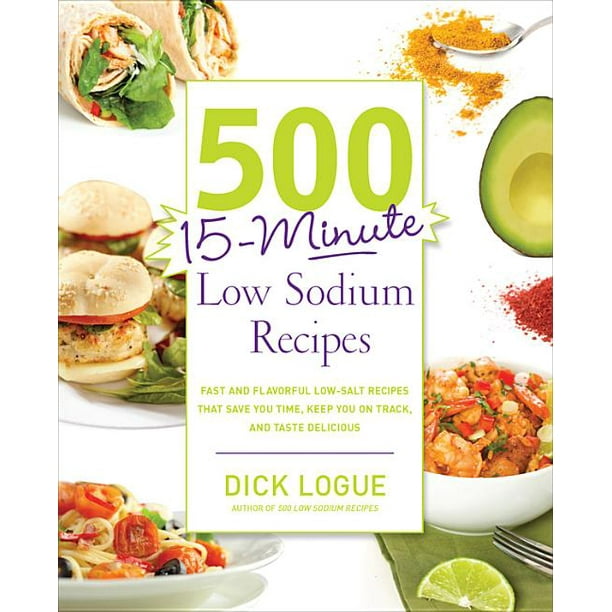
Low-sodium Cooking Techniques: Flavorful and Healthy
Maintaining a low-sodium diet can be challenging, as salt is often used to enhance the taste of food. However, with the right cooking techniques and a little creativity, you can still enjoy delicious meals while keeping your sodium intake in check. In this article, we will explore various methods that will help you reduce sodium without compromising on flavor.
1. Embrace Herbs and Spices:
When it comes to adding flavor to your dishes, herbs and spices are your best friends. They not only provide a depth of taste but also offer numerous health benefits. Experiment with different combinations such as basil and oregano for Italian-inspired dishes or cumin and coriander for an exotic touch in Mexican cuisine. Dried herbs work well in long-cooking recipes like stews or soups, while fresh herbs add brightness when sprinkled over finished dishes.
2. Citrus Zest:
The zest from citrus fruits like lemons, limes, oranges, or even grapefruits can elevate the flavors of your meals without relying on salt. The zesty outer layer contains aromatic oils that contribute a burst of tangy freshness to both sweet and savory dishes alike. Grate some lemon zest into marinades or sprinkle it over grilled fish just before serving for an instant flavor boost.
3. Vinegars:
Vinegars are excellent low-sodium alternatives that add acidity and complexity to your food without relying on saltiness alone. Balsamic vinegar adds richness to roasted vegetables or salads; apple cider vinegar complements meats perfectly; rice wine vinegar enhances stir-fries; red wine vinegar pairs well with sauces and dressings – there’s a wide variety available for every culinary need.
4. Homemade Stocks:
Most store-bought stocks contain high amounts of sodium which can quickly escalate the overall salt content in your recipes. Instead, make homemade stocks using fresh ingredients such as vegetables, herbs, and lean meats. Slowly simmering these ingredients together creates a flavorful base for soups, stews, and sauces without the need for additional salt.
5. Brining:
Brining is a technique that involves soaking meat or poultry in a solution of water and salt before cooking it. However, you can achieve similar results while reducing sodium by using alternative brines such as apple cider vinegar or citrus juice mixed with water. This process not only adds moisture to lean cuts but also infuses them with flavor.
6. Roasting and Grilling:
Roasting vegetables and grilling meats are great methods for intensifying flavors without relying on excessive sodium. The high heat caramelizes natural sugars in food, creating delicious depth of flavor. Try roasting root vegetables like carrots or parsnips until they become tender and slightly crisp on the edges – their natural sweetness will shine through.
7. Steaming:
Steaming is an excellent low-sodium cooking technique that helps retain nutrients while preserving the natural taste of food. Whether it’s fish, vegetables, or grains like rice or quinoa, steaming allows them to cook gently without losing their delicate flavors.
8. Using Salt-Free Seasonings:
There are numerous salt-free seasonings available in stores today that offer unique blends of spices and herbs designed to enhance your dishes without adding any sodium at all. From all-purpose seasoning mixes to garlic powder or onion flakes – these products can be used as alternatives to traditional salt-based seasonings.
9. Reduce Processed Foods:
Processed foods often contain excessive amounts of sodium due to preservatives and flavor enhancers added during manufacturing processes. By reducing your consumption of processed foods and opting for fresh ingredients instead, you have better control over the amount of sodium in your meals.
10. Taste Before Adding Salt Substitutes:
Salt substitutes like potassium chloride can be used sparingly if necessary; however, they may have a bitter aftertaste. Before adding any salt substitute, taste your dish first to determine if it genuinely needs the extra seasoning. Often, the natural flavors and spices used will be sufficient.
In conclusion, a low-sodium diet doesn’t mean sacrificing flavor. By embracing herbs, spices, citrus zest, vinegars, homemade stocks, brining alternatives like apple cider vinegar or citrus juice mixed with water; and using cooking techniques such as roasting, grilling, steaming – you can create delicious meals without relying on excessive sodium. Additionally, reducing processed food intake and experimenting with salt-free seasonings will help you take control of your sodium levels while still enjoying flavorful dishes. So go ahead and explore these techniques in your kitchen – your taste buds and health will thank you!

Leave a Reply