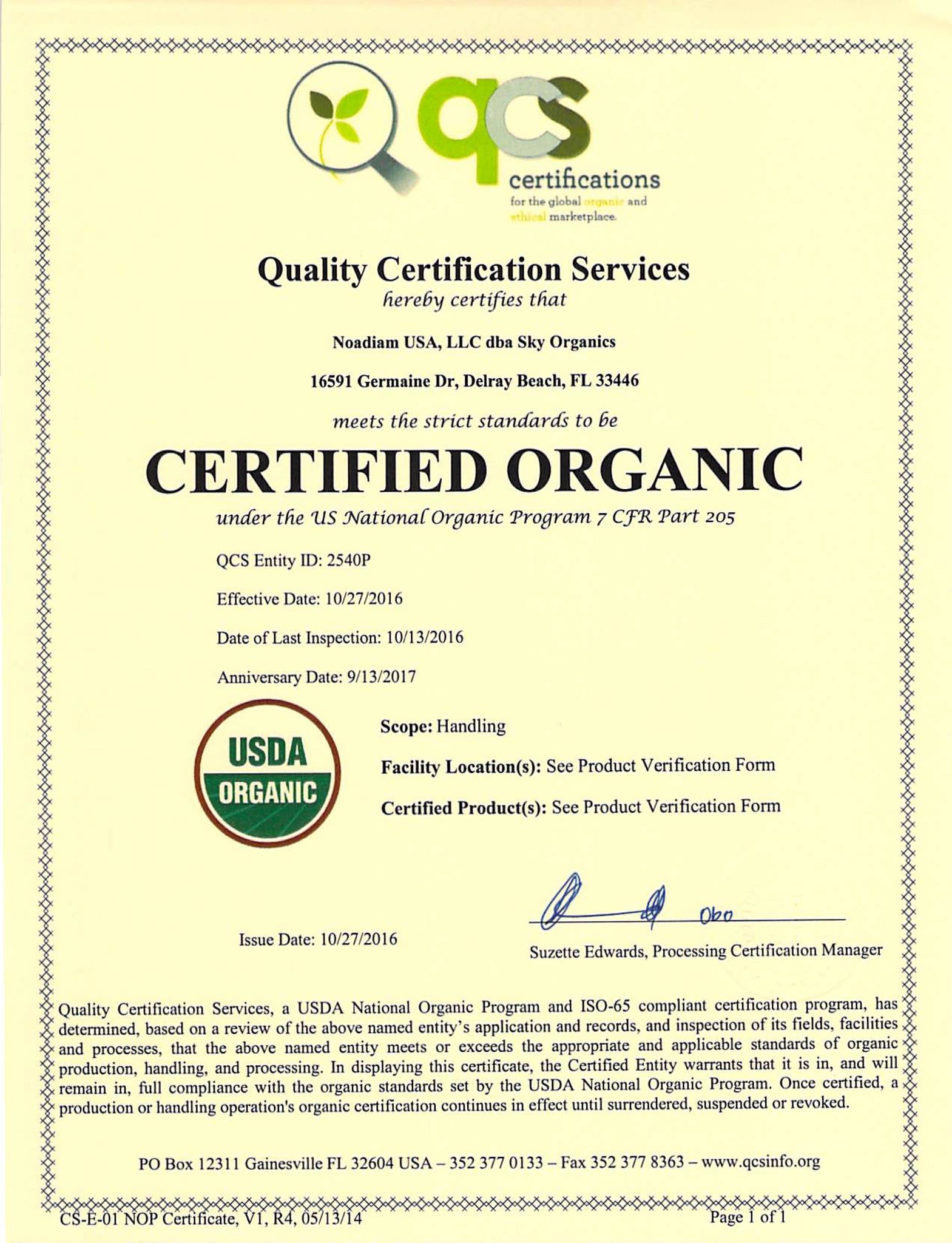
Organic Certification: Ensuring Quality and Sustainability in Food Production
In recent years, there has been a growing interest among consumers in choosing organic products for their health benefits and environmental impact. But what exactly does it mean for a product to be “organic”? How can consumers trust that the products they purchase labeled as organic are truly meeting these standards? The answer lies in organic certification.
Organic certification is a rigorous process that ensures food and agricultural products are grown, processed, and handled according to strict guidelines set by regulatory bodies such as the United States Department of Agriculture (USDA) or other certifying agencies. These guidelines include restrictions on the use of synthetic fertilizers, pesticides, genetically modified organisms (GMOs), antibiotics, hormones, and irradiation.
To obtain organic certification, farmers must go through a detailed application process where they provide documentation about their farming practices. This includes information about soil management techniques, pest control methods, seed sourcing practices, water usage plans, and animal welfare protocols if applicable. Certified inspectors then visit the farms to verify compliance with these standards before granting the official organic seal.
The inspection process involves assessing not only the farming practices but also record-keeping systems to ensure traceability from farm to fork. Inspectors review farm inputs like seeds and feed sources used by livestock operations to confirm their compliance with organic regulations. They may also conduct random sampling of crops or test animals for pesticide residues or GMO presence.
Certification is not limited to just farmers; it extends throughout every step of the supply chain. Processors, manufacturers, distributors, retailers – anyone handling an organic product needs to follow specific rules outlined in certification programs. This guarantees that no contamination occurs during processing or transportation which could compromise an otherwise organically produced item.
Maintaining organic certification is an ongoing commitment for producers who must undergo annual inspections along with periodic testing of soil quality and water sources on their farms. In addition to this scrutiny by third-party certifiers, organic producers must keep detailed records of their farming practices and input usage to demonstrate continued compliance with organic standards.
The benefits of organic certification are significant for both consumers and the environment. By choosing certified organic products, consumers can be assured that they are consuming food free from harmful chemicals and GMOs. Organic farming practices also promote biodiversity by avoiding synthetic pesticides that harm beneficial insects and pollinators. Additionally, organically managed soils have higher levels of nutrients, retain more water, and support healthier ecosystems overall.
While some small-scale farmers may practice sustainable methods but lack official certification due to financial constraints or bureaucratic hurdles, it’s important for consumers to look for the USDA Organic seal or other recognized certifications when purchasing organic products. These labels provide an assurance that the product has met strict criteria set forth by reputable certifying agencies.
In conclusion, organic certification plays a crucial role in ensuring the quality and sustainability of our food system. It provides transparency for consumers who seek healthier options while supporting farmers committed to environmentally friendly agricultural practices. By understanding what goes into obtaining organic certification and looking for trusted seals on products we purchase, we can make informed choices that benefit our health as well as the planet we call home.

Leave a Reply