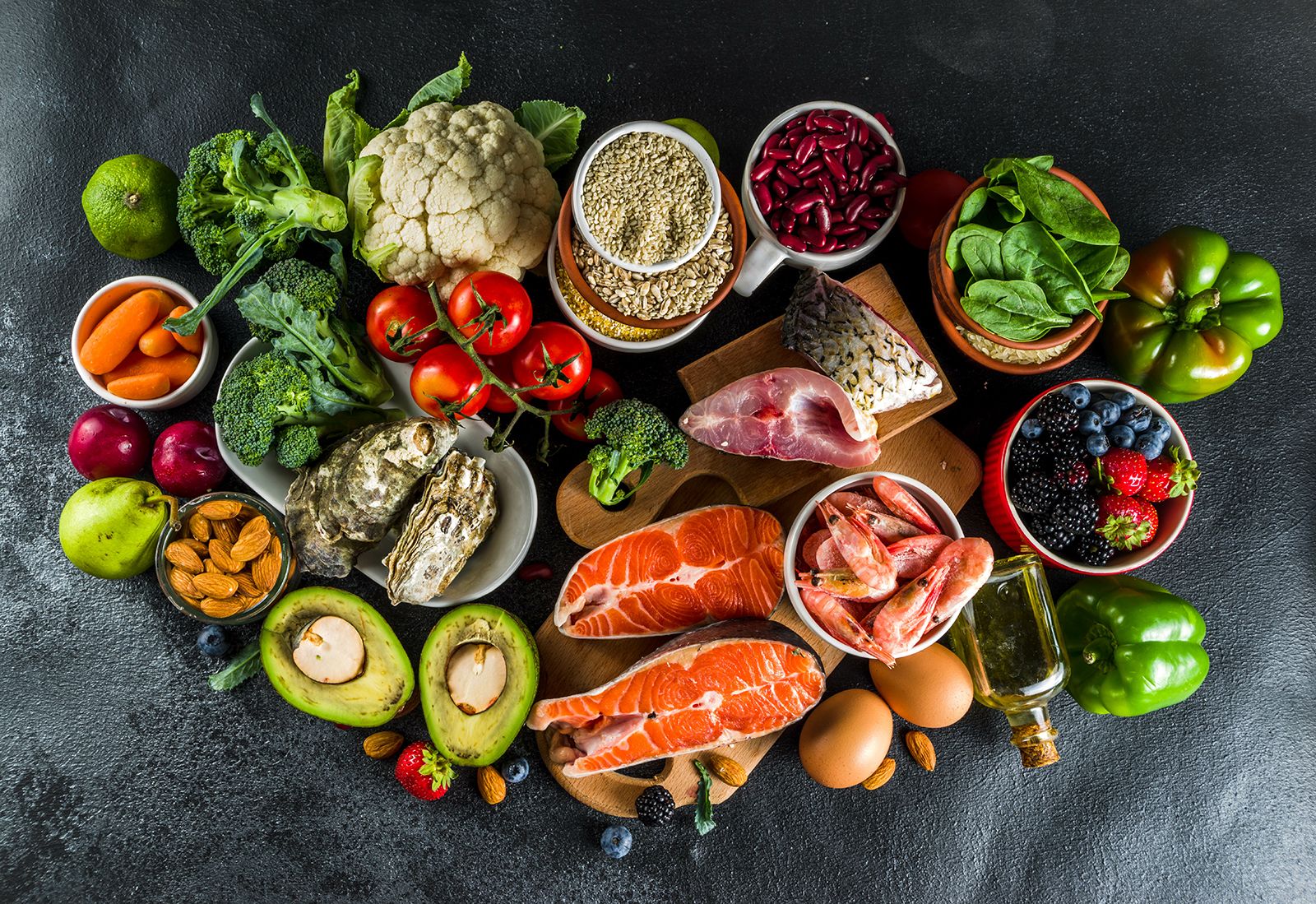
Pescatarian Superfoods for Optimal Health: A Q&A Guide
Are you considering adopting a pescatarian diet? Or maybe you’re already following this eating pattern and are looking to optimize your health. Either way, incorporating nutrient-rich superfoods into your meals can help ensure you’re getting all the essential nutrients while enjoying a diverse and delicious diet. In this Q&A style post, we will explore some of the top pescatarian superfoods and how they contribute to optimal health.
Q: What is a pescatarian diet?
A: A pescatarian diet is primarily plant-based but includes seafood such as fish and shellfish. It eliminates meat and poultry but allows for dairy products and eggs.
Q: Why should someone consider a pescatarian diet?
A: The pescatarian diet offers numerous potential health benefits. Fish is an excellent source of lean protein, omega-3 fatty acids, vitamins, minerals, and antioxidants. These nutrients have been linked to reduced risk of heart disease, improved brain function, lower inflammation levels, enhanced eye health, better skin quality, and even decreased risk of certain types of cancer.
Q: What are some popular fish options for a pescatarian diet?
A: There are various fish options that provide different nutritional benefits. Salmon is rich in omega-3 fatty acids like EPA and DHA which support brain function and heart health. Sardines are packed with calcium for strong bones while also containing omega-3s. Tuna is another popular choice due to its versatility in cooking methods.
Q: Are there any concerns regarding mercury levels in fish consumption?
A: While it’s true that some larger fish species may contain higher levels of mercury due to environmental pollution, most types consumed by humans have low or moderate levels that do not pose significant risks when consumed in moderation. Pregnant women or those planning pregnancy may want to limit their intake of certain fish with higher mercury levels, such as shark or swordfish. However, for the general population, the benefits of consuming fish outweigh the potential risks.
Q: Besides seafood, what are some other essential pescatarian superfoods?
A: Pescatarians can benefit from incorporating a variety of plant-based superfoods into their diet. Some examples include:
1. Quinoa: A complete protein source packed with fiber and essential minerals like magnesium and iron.
2. Lentils: High in protein and fiber while being low in fat, lentils also offer folate and iron.
3. Chia seeds: These tiny seeds are rich in omega-3 fatty acids, antioxidants, fiber, calcium, and plant-based protein.
4. Greek yogurt: An excellent source of probiotics for gut health along with calcium and vitamin B12.
5. Spinach: Loaded with vitamins A and K, folate, iron, and antioxidants that promote eye health and support overall well-being.
6. Avocado: A great source of healthy fats like monounsaturated fats that help reduce inflammation and support heart health.
Q: How can pescatarians ensure they meet their nutritional needs?
A: As with any diet pattern, it’s crucial to focus on balance and variety to obtain all necessary nutrients. Here are some tips:
1. Incorporate different types of fish into your weekly meal plan to obtain various nutrients.
2. Include a wide range of fruits and vegetables to maximize antioxidant intake.
3. Choose whole grains such as brown rice or quinoa instead of refined grains for added fiber content.
4. Experiment with different legumes like chickpeas or black beans to diversify your protein sources.
5. Include nuts and seeds as snacks or toppings for added healthy fats.
Q: Can you provide an example day’s meal plan for a pescatarian looking to optimize their nutrition?
A:
– Breakfast: Smoked salmon and avocado on whole-grain toast, topped with a poached egg.
– Snack: Greek yogurt with chia seeds and mixed berries.
– Lunch: Quinoa salad with roasted vegetables, feta cheese, and grilled shrimp.
– Snack: Sliced cucumbers dipped in hummus.
– Dinner: Grilled tuna steak with a side of steamed broccoli and wild rice.
– Dessert: Dark chocolate-covered strawberries.
Q: Are there any potential drawbacks or challenges to following a pescatarian diet?
A: One challenge some pescatarians may face is ensuring they consume enough omega-3 fatty acids. While fish is an excellent source of these essential fats, it’s important to vary the types of fish consumed to minimize potential exposure to pollutants. Additionally, individuals must be mindful of meeting their iron needs since plant-based sources are not as readily absorbed by the body compared to animal sources. Combining iron-rich foods like lentils or spinach with vitamin C-rich foods can enhance absorption.
In conclusion, a well-planned pescatarian diet can provide optimal nutrition for overall health. By incorporating nutrient-dense superfoods such as seafood rich in omega-3s along with various plant-based options packed with vitamins, minerals, fiber, and antioxidants, you can enjoy the benefits of this eating pattern while maintaining balance and variety. As always, it’s advisable to consult a healthcare professional or registered dietitian before making any significant dietary changes to ensure your individual nutritional needs are met.

Leave a Reply