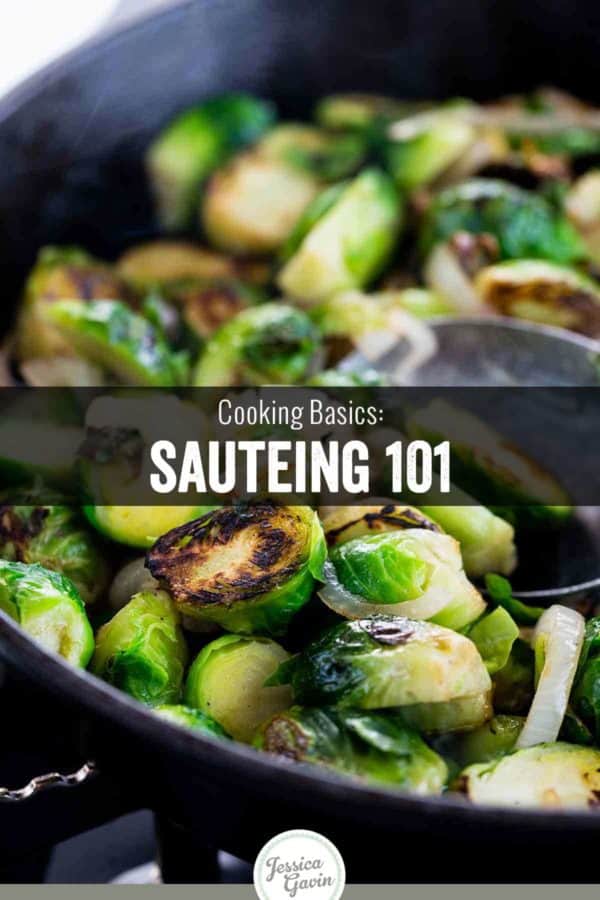
When it comes to cooking techniques, sautéing is one that stands out for its simplicity and ability to enhance the flavors of various ingredients. This versatile method involves quickly frying food in a small amount of oil or fat over high heat. By using this technique, you can create delicious and healthy meals in no time.
One of the main benefits of sautéing is that it allows you to retain the natural flavors and textures of your ingredients. By cooking them briefly over high heat, you ensure they remain crisp, tender, and vibrant. Additionally, sautéing requires minimal oil or fat compared to other cooking methods like deep-frying or pan-frying, making it a healthier choice.
To start sautéing, you’ll need a good-quality skillet or frying pan with a flat bottom and sloping sides. The flat bottom ensures even heat distribution while the sloping sides make tossing and stirring easier. It’s also important to choose an oil with a high smoke point such as vegetable oil, canola oil, or clarified butter (ghee). These oils can handle the high temperatures required for successful sautéing without burning.
Before heating up your skillet, prepare your ingredients by cutting them into equal-sized pieces. This helps ensure even cooking throughout the dish. Remember that some ingredients may require pre-cooking before adding them to your sauté pan – for example, dense vegetables like carrots or potatoes benefit from parboiling or microwaving beforehand.
Once your prep work is complete, preheat your skillet over medium-high heat until hot but not smoking. Add enough oil/fat to lightly coat the bottom of the pan; too much will result in greasy food rather than properly sautéed dishes. Swirl the oil around so it covers the surface evenly.
Next comes one of the most critical steps: adding your prepared ingredients to the hot skillet in batches if necessary (to avoid overcrowding). The high heat ensures a quick sear, which helps retain moisture and intensify flavors. Stir or toss continuously using a spatula or tongs to prevent sticking or burning.
The duration of sautéing depends on the ingredients used. For example, delicate vegetables like mushrooms may take just a few minutes, while denser vegetables could require slightly longer cooking times. It’s important to monitor the doneness by checking for tenderness and color change.
To enhance the flavor profile of your dish, consider incorporating aromatics such as garlic, onions, herbs, and spices during the sautéing process. These additions infuse the oil with their fragrance and deepen overall taste.
Once your ingredients are properly cooked through but still maintain their texture, remove them from the heat promptly to prevent overcooking. Overcooked food loses its natural vibrancy and can become mushy.
In conclusion, sautéing is an excellent cooking technique that allows you to create delicious and healthy meals in no time at all. With minimal oil/fat usage and quick cooking times, it preserves both nutrition and flavor in your dishes. By following these steps – preheating your skillet correctly, using high-quality oils with high smoke points, preparing ingredients uniformly sized for even cooking – you’ll be able to master this versatile method easily. So grab your skillet and start experimenting with different combinations of veggies, proteins, herbs, and spices to elevate your culinary skills while enjoying nutritious meals!

Leave a Reply